
Last updated October 30, 2026
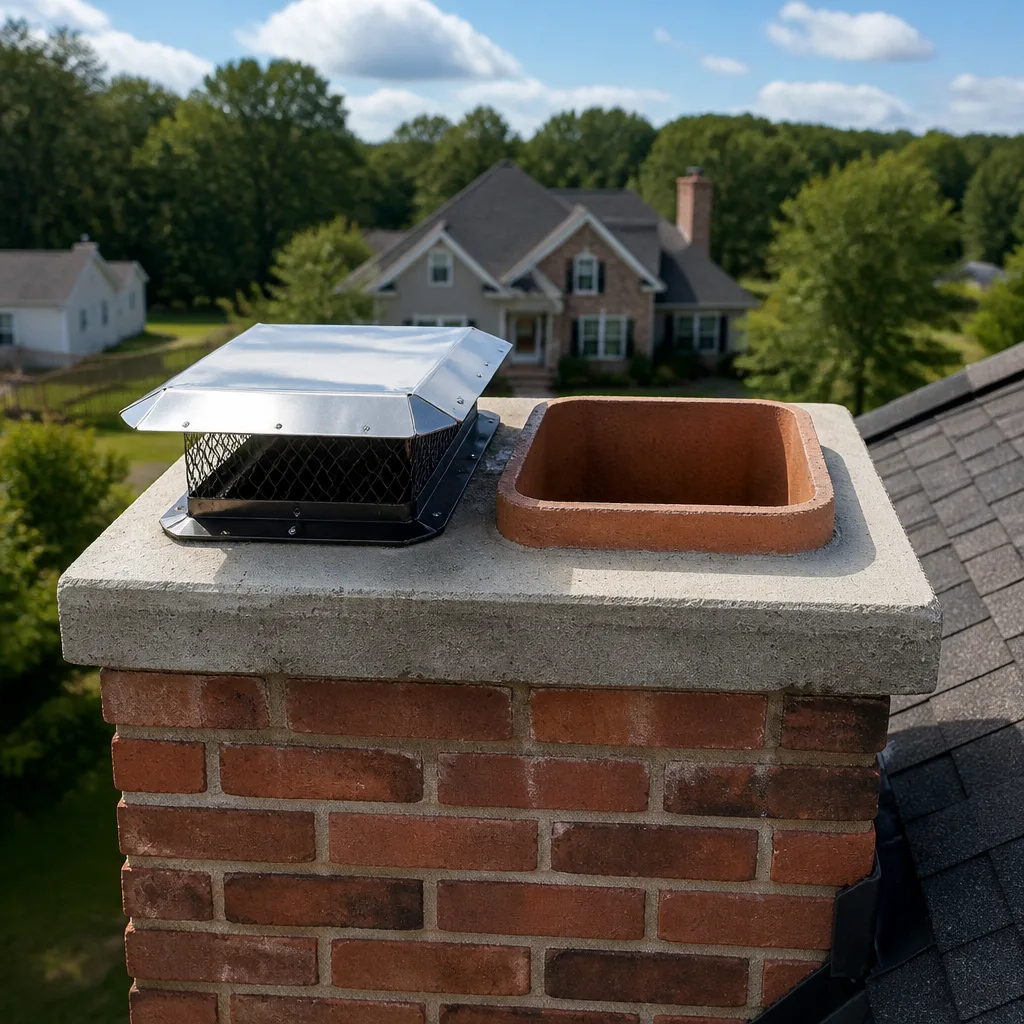 Sweep & inspection
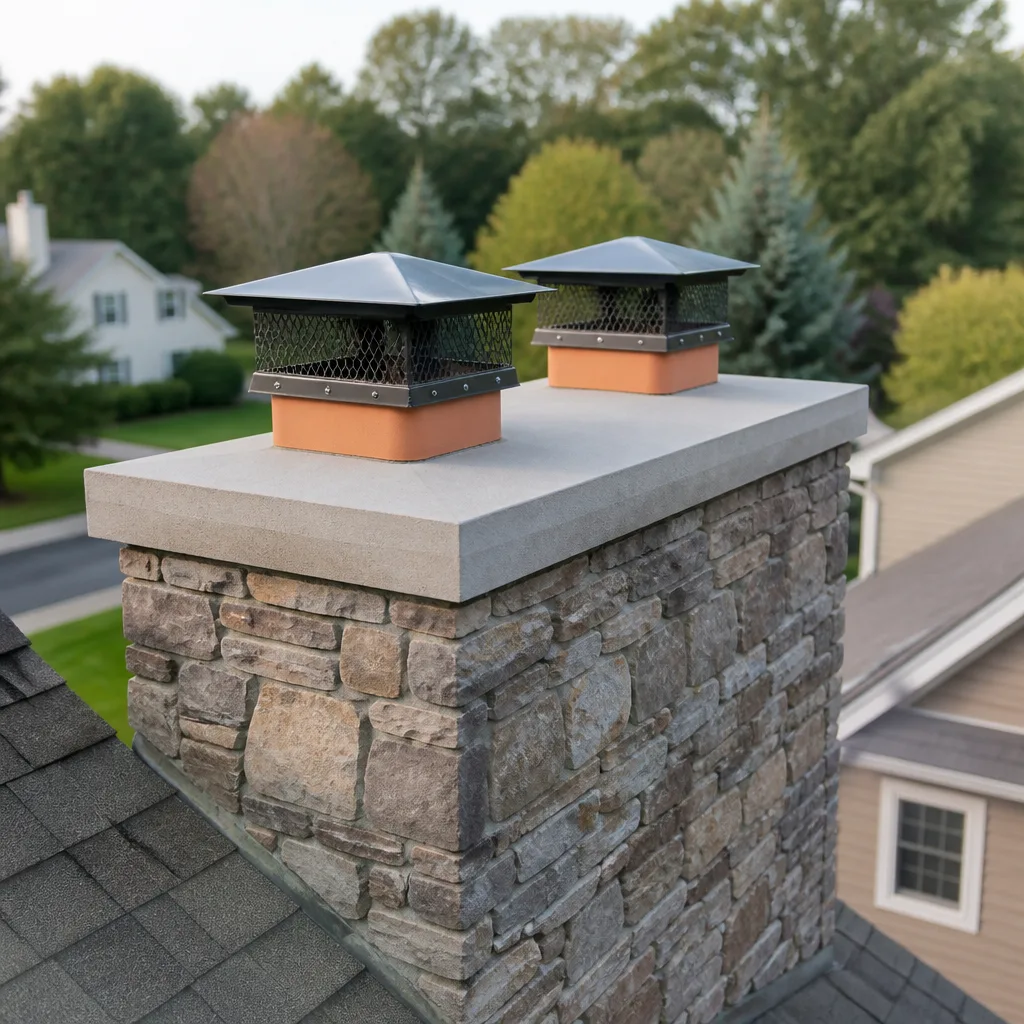 Caps & crowns
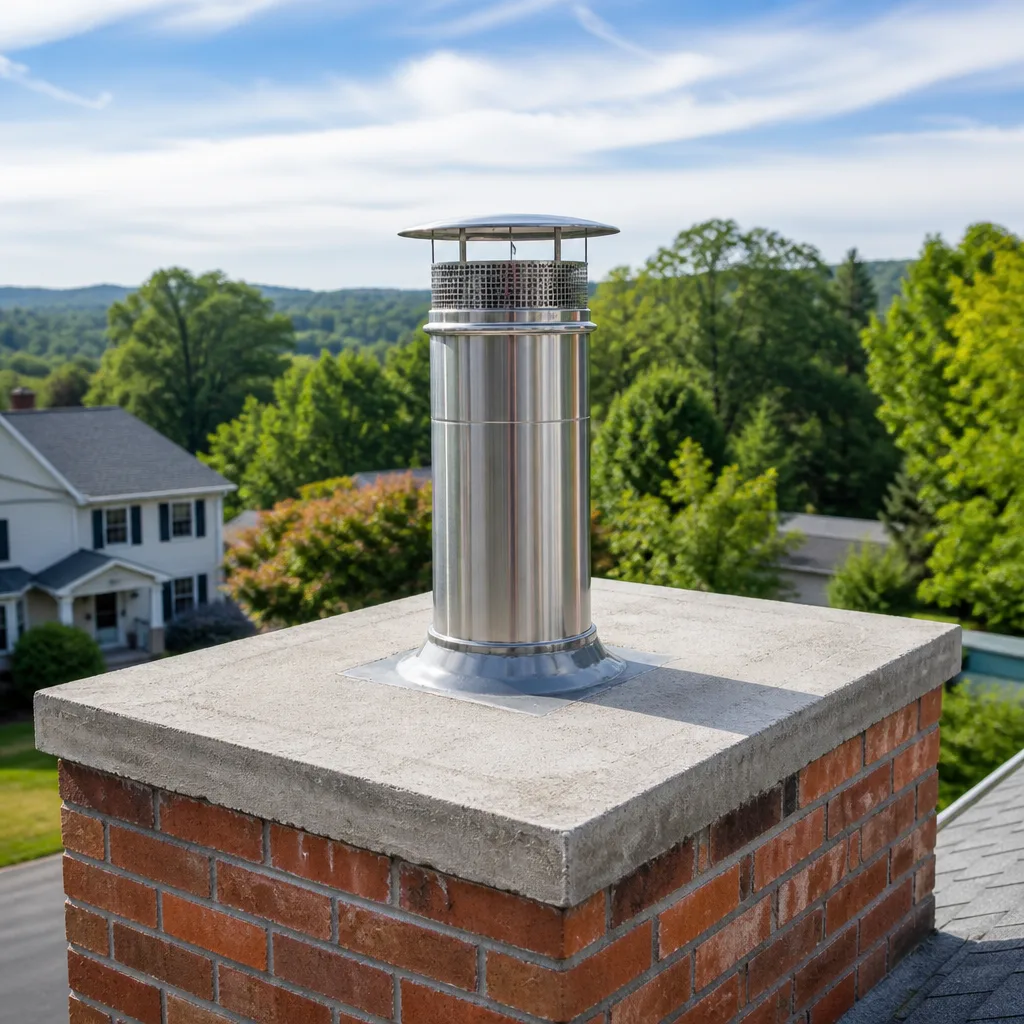 Flue relining
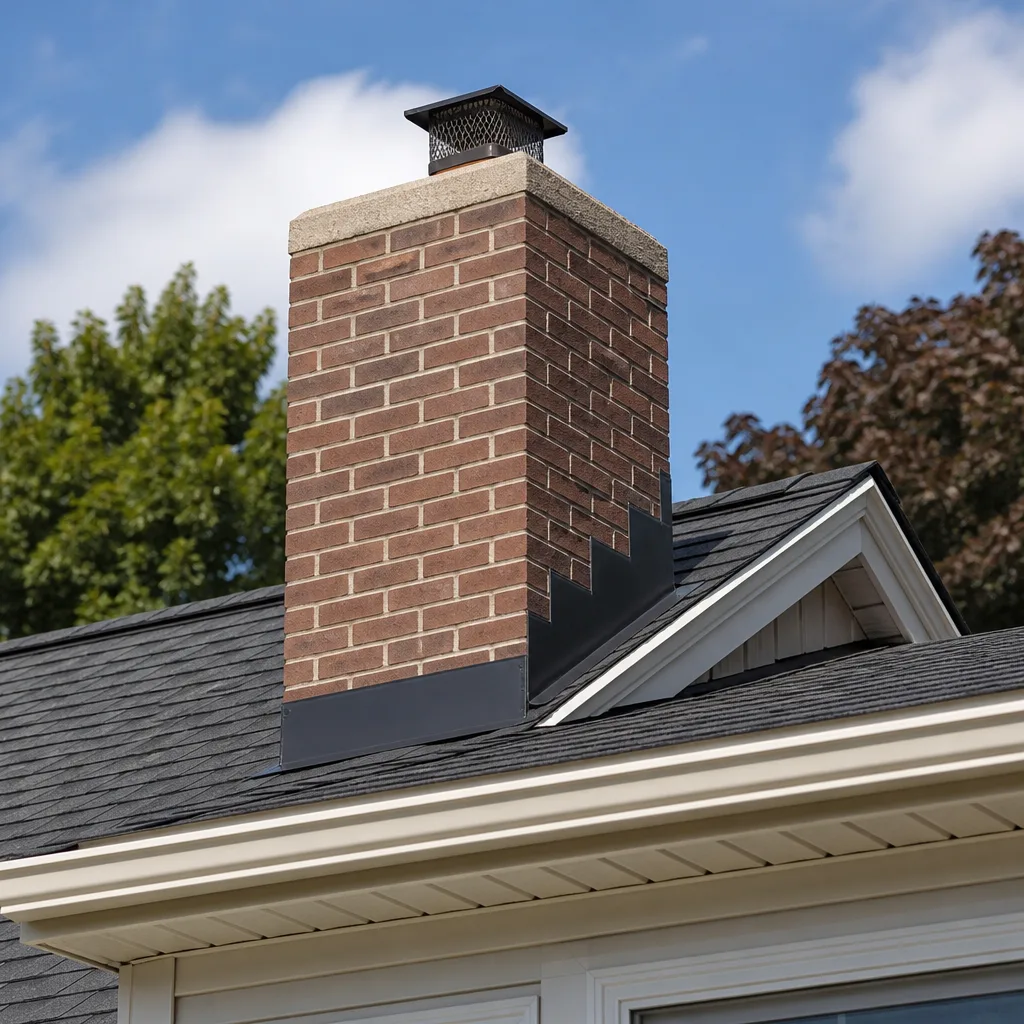 Masonry repair
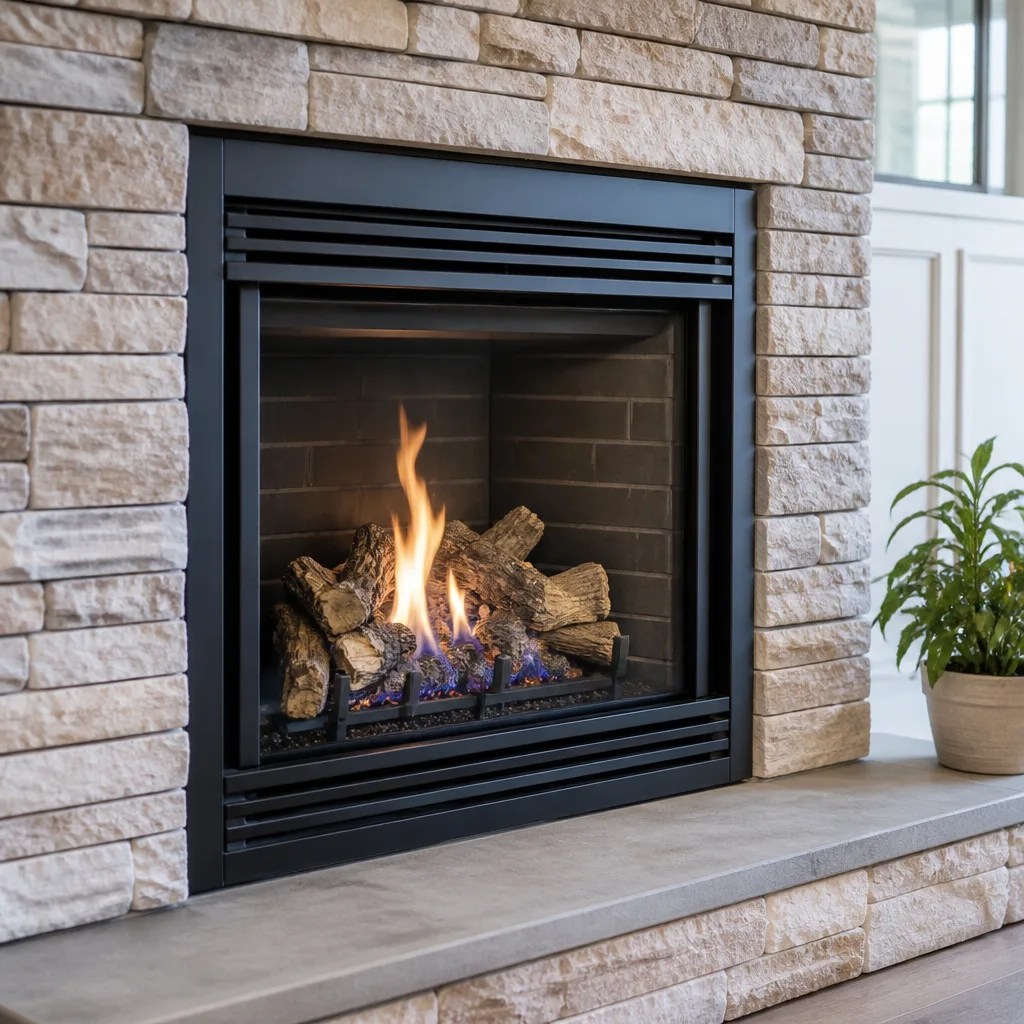 Gas fireplace service
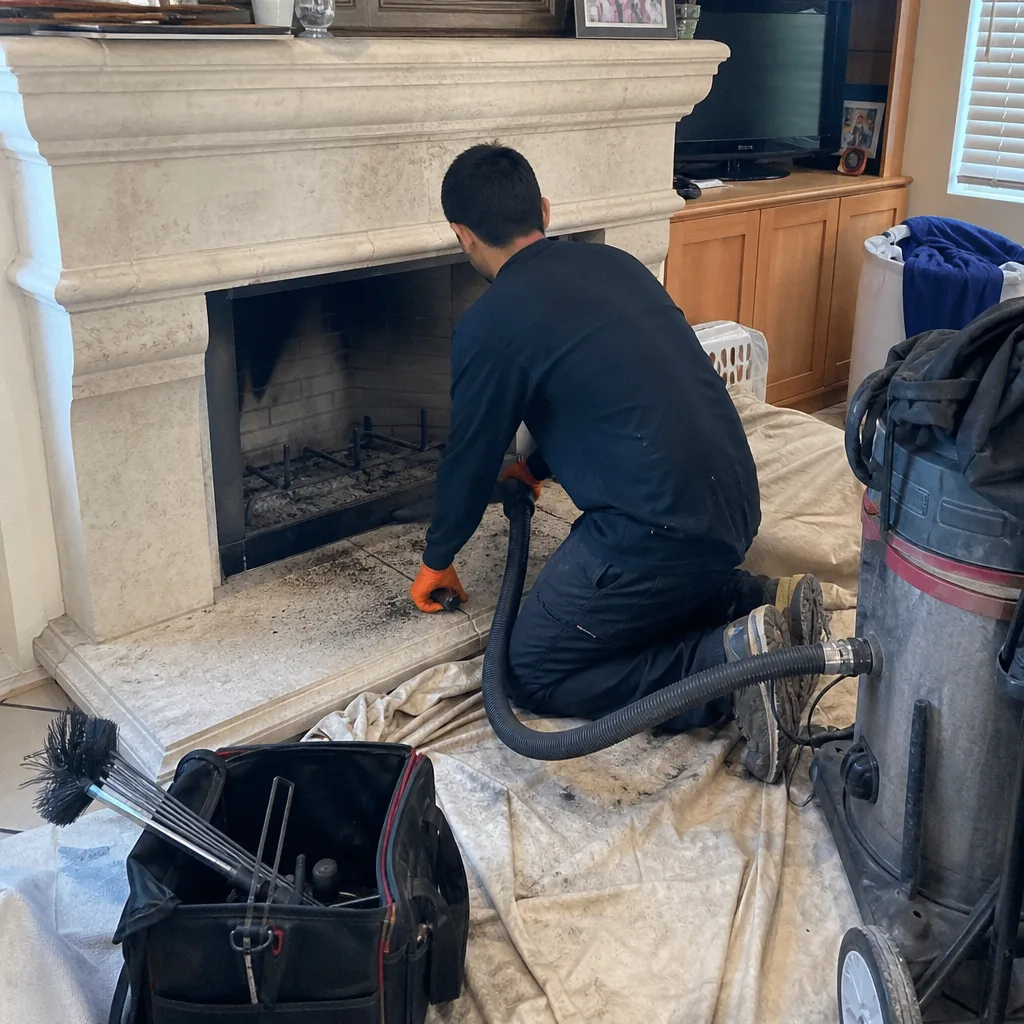
Level 1 sweep and inspection to the NFPA 211 annual standard - flue, crown, cap, and flashing checked and photographed
Chimney sweep logs do not sweep chimneys. They loosen some creosote - which then falls where a brush and vacuum still have to collect it.
Chimney Cleaning Emergency Preparedness Guide for Irvine Homes
A chimney fire in an Irvine home rarely announces itself with a dramatic roar and flames shooting from the cap. More often, it sounds like a low rumble or a crackling noise behind the wall, something a homeowner shrugs off as the normal sound of a hot fire working through a log. By the time smoke appears inside the house, the stainless steel liner or terra cotta flue has already been pushed past its operating limit, and the house has been exposed to temperatures that can crack masonry and ignite framing members. This guide exists because most Irvine emergency preparedness checklists cover earthquake kits and wildfire evacuation routes, but nobody walks you through what a chimney emergency actually looks like, what to do in the first sixty seconds, and what steps you take afterward so the fireplace is never a hidden hazard again.
Styles & brands we work with
Quick Answer
In a chimney emergency, shut the fireplace down immediately: close the damper, do not use water, get everyone outside, and call 911 if you see smoke coming through the walls or smell something acrid beyond normal wood smoke. A chimney that has experienced any fire event, even a small one, must not be used again until a trained professional performs a Level 2 inspection. For Irvine homeowners, following a Chimney Sweep Maintenance Checklist for Irvine Homeowners for pre-season cleaning and creosote assessment remains the single most effective way to prevent an emergency from ever starting.
Table of Contents
- Recognizing a Chimney Fire: What Irvine Homeowners Actually Hear and See
- The Step-by-Step Chimney Fire Response Protocol
- Carbon Monoxide Risk Specific to Chimney Blockages in Irvine Homes
- Post-Emergency Requirements: Why a Level 2 Inspection Is Non-Negotiable
- Pre-Season Preparedness: Eliminating the Most Common Emergency Causes
- What Information to Have Ready When Calling a Chimney Professional After an Emergency
- Repair Paths After a Chimney Event: From Cleaning to Liner Restoration
- Common Mistakes to Avoid
- When to Call a Professional
- Frequently Asked Questions
- The Bottom Line
Recognizing a Chimney Fire: What Irvine Homeowners Actually Hear and See
A chimney fire is not always a visual event. In fact, many Irvine homeowners have experienced a chimney fire and never realized it until a sweep pointed out the damage during an inspection. The sound is the most common first indicator, and it is often described as a low, rumbling roar that comes from behind the drywall or brick, not from the firebox itself. Some people compare it to a freight train passing at a distance or to the sound of a jet engine idling. It persists even when the fire in the firebox has settled down, and that persistence is the key clue, because normal wood popping is intermittent while a chimney fire produces a sustained, drawn-out sound.
Other signs include dense, dark smoke pushing from the chimney cap, flames visible at the top of the flue, or an intense, acrid smell that is harsher than ordinary wood smoke and lingers throughout the house. In the firebox, you may see the fire burning hotter and faster than it should, with flames drawn upward in a way that feels more like a furnace than a fireplace. The draft may also feel stronger than usual, as the chimney fire creates its own violent airflow. Some Irvine homeowners who have read our Chimney Cleaning Warning Signs: A Irvine Homeowner’s Reference Guide report that the damper area is hot to the touch even when the fire has been low, and that the glass doors on prefabricated fireplace units become hotter than normal. The moment you suspect any of these signs, treat it as an active emergency rather than waiting for confirmation.
We have seen flue tiles cracked into sharp fragments after a chimney fire that the homeowner dismissed as a “weird noise for a few minutes.” The internal temperature of a chimney fire can exceed 2,000 degrees Fahrenheit, which is far past the rating of any standard masonry flue. Even if the fire appears to burn itself out, the damage is done. The next use of the fireplace may push hot gases through those cracks directly into wall cavities or attic space.
The Step-by-Step Chimney Fire Response Protocol
Your response in the first minute of a suspected chimney fire determines whether the event remains contained to the flue or spreads into the structure. The protocol below is sequential, and each step builds on the last. Even if you skip straight to calling 911, do not reverse the order of the other steps.
- Close the fireplace doors or glass screen. This limits oxygen supply to the firebox. Do not close the damper if the fire is actively roaring in the firebox, because you can force smoke and carbon monoxide into the living space. If the fire in the firebox is mostly burned down and the problem is clearly in the flue, closing the damper is appropriate. For prefabricated fireplaces, closing the glass doors is the priority.
- Evacuate everyone from the home immediately. Do not gather belongings, do not try to save the fireplace, and do not linger to assess the situation. Chimney fires can transition into structure fires within minutes, and the priority is getting every person outside. Have a designated meeting spot that every family member knows before the emergency happens.
- Call 911 from outside the house. Tell the dispatcher that you suspect a chimney fire. This is not an overreaction. The dispatcher will route the appropriate response. Do not call 911 from inside the home unless you are in immediate danger and cannot get out, and if you are still inside, move toward an exit while on the phone.
- Do not use water under any circumstances. Throwing water into a firebox during a chimney fire can create a steam explosion that cracks the firebrick and sprays scalding water. It can also shatter hot flue tiles. Leave the fire alone and let trained personnel handle it.
- If you own a chimney fire suppression canister and can access it quickly, deploy it and exit. These canisters, which flare within the firebox and consume oxygen to starve the flue fire, are designed for slow-burning creosote fires, not for a fully involved chimney fire that is already spreading flame into the structure. If you have to search for the canister or if the circumstances feel chaotic, skip this step entirely. No household item is worth delaying your evacuation.
- Once outside, do not re-enter the home until the fire department has declared it safe. Even if the sound stops and no smoke is visible, the flue may still be hot enough to ignite surrounding materials, and the air inside the home may contain dangerous levels of carbon monoxide.
This protocol applies to wood-burning fireplaces in any home, whether the flue is masonry or prefabricated metal. Irvine homes built within the last thirty years frequently use factory-built fireplaces with metal chimneys, which have different failure modes than traditional masonry but are equally vulnerable to creosote fires.
Carbon Monoxide Risk Specific to Chimney Blockages in Irvine Homes
Chimney emergencies are not limited to fire. A blocked or partially obstructed flue is a carbon monoxide generator, and the gas can build to lethal concentrations without producing any smell or visible cue. In Irvine, the risk is amplified by modern construction practices. Newer homes are built tighter for energy efficiency, with fewer air gaps and better sealed envelopes, which means that carbon monoxide cannot dissipate through natural leakage the way it might in an older, draftier house. The gas concentrates in the living space instead.
The most common blockage sources are animal nests, fallen masonry or flue tile fragments, and heavy creosote accumulation that has narrowed the flue opening. When a fire burns but the combustion gases cannot escape efficiently, incomplete combustion produces carbon monoxide that seeps back into the room through the firebox opening. In a working fireplace, the draft pulls gases up and out. In a blocked fireplace, that draft is compromised, and the invisible gas quietly fills the space.
Early symptoms of carbon monoxide exposure mirror the flu: headache, dizziness, nausea, and a general sense of fatigue. Multiple household members often develop symptoms around the same time, which is a strong indicator. In severe cases, confusion and loss of coordination precede unconsciousness. The escalation can happen faster than most homeowners expect, especially in a tight Irvine home where the bedroom is on the same floor as the fireplace. This is why working carbon monoxide detectors on every level of the home, placed outside sleeping areas, are non-negotiable for any household that uses a fireplace. A detector is a backup, not a substitute for keeping the flue clear. The primary defense is an annual chimney inspection that verifies the flue is open from the firebox to the rain cap.
Gas fireplaces present a related but slightly different risk. Gas appliances produce carbon monoxide even when the flame looks normal, and a blocked vent or a cracked heat exchanger can turn a decorative gas fireplace into a silent hazard. Irvine homes with vented gas logs should have the venting checked as part of the same pre-season visit that covers wood-burning systems.
Post-Emergency Requirements: Why a Level 2 Inspection Is Non-Negotiable
After any chimney fire, no matter how minor it appeared, the fireplace must not be used again until a professional performs a Level 2 inspection. This is not a sales recommendation. It is the minimum standard written into fire safety guidance by the national fire protection and chimney safety organizations that set the inspection protocols used across the industry.
A Level 2 inspection is more thorough than the standard annual visual check. It includes the visual examination of all accessible areas of the chimney, plus the use of a video scanning camera that is run down the flue to document the internal condition of every tile joint, every weld seam, and every section of liner. The inspector also examines the attic space where the chimney passes through, the crawlspace or basement where it sits, and any other accessible clearance areas. The point is to identify damage that cannot be seen from the firebox or the roof.
Chimney fires cause thermal shock. Terra cotta flue tiles crack under the rapid temperature change, and those cracks may not be visible from the top of the chimney. Metal liners can buckle or separate at the seams. Mortar joints can open up. All of these conditions allow future fires to bypass the flue entirely and find their way into combustible framing. A homeowner who skips the post-fire inspection and simply lights a fire the following week is betting their house on an unknown condition that is almost certainly compromised.
In our experience with Irvine chimney repairs, the damage discovered during post-fire inspections is often worse than the homeowner expected. What looked like a brief flare in the firebox frequently left behind a cracked flue liner and a damaged smoke chamber. The good news is that most of this damage can be repaired. The bad news is that repair is much more expensive than the annual cleaning that would have prevented the fire in the first place.
Pre-Season Preparedness: Eliminating the Most Common Emergency Causes
The most effective emergency response is an emergency that never happens. Irvine’s fireplace season runs roughly from late October through March, with the heaviest use during the cool, damp winter months when coastal air settles into the inland valleys. Preparing the chimney before the first fire of the season eliminates the three conditions that cause nearly all chimney emergencies. Here is what we recommend every Irvine homeowner complete before burning season begins.
- Remove all bird and animal nests. Irvine’s residential areas, particularly neighborhoods near the 5 and 405 corridors where mature trees are common, see consistent pressure from nesting birds and squirrels. A single nest can fully block a flue, and when it ignites, the fire spreads directly into the creosote-lined chimney. Removing nests and installing a proper chimney cap with a spark arrestor mesh is a straightforward fix that eliminates this entire failure mode.
- Verify the damper opens, closes, and seals completely. A damper that does not open fully restricts the draft and pushes combustion gases back into the room. A damper that does not close fully allows heated indoor air to escape up the chimney and, more critically, allows cold downdrafts to push smoke into the house when fires are lit. Damper replacement is a common, relatively inexpensive repair that dramatically improves both safety and burn quality.
- Have creosote levels assessed by a professional sweep. Creosote is the residue that condenses on flue walls when wood smoke cools inside the chimney. It is the primary fuel source for chimney fires. Stage one creosote is a light dusting that brushes away easily. Stage two is a flaky, dark deposit that requires more aggressive removal. Stage three is a hard, glossy glaze that can be extremely difficult to remove and represents a significant fire risk. A professional assessment tells you exactly where you stand and whether a routine sweep is sufficient or whether a more intensive cleaning is warranted.
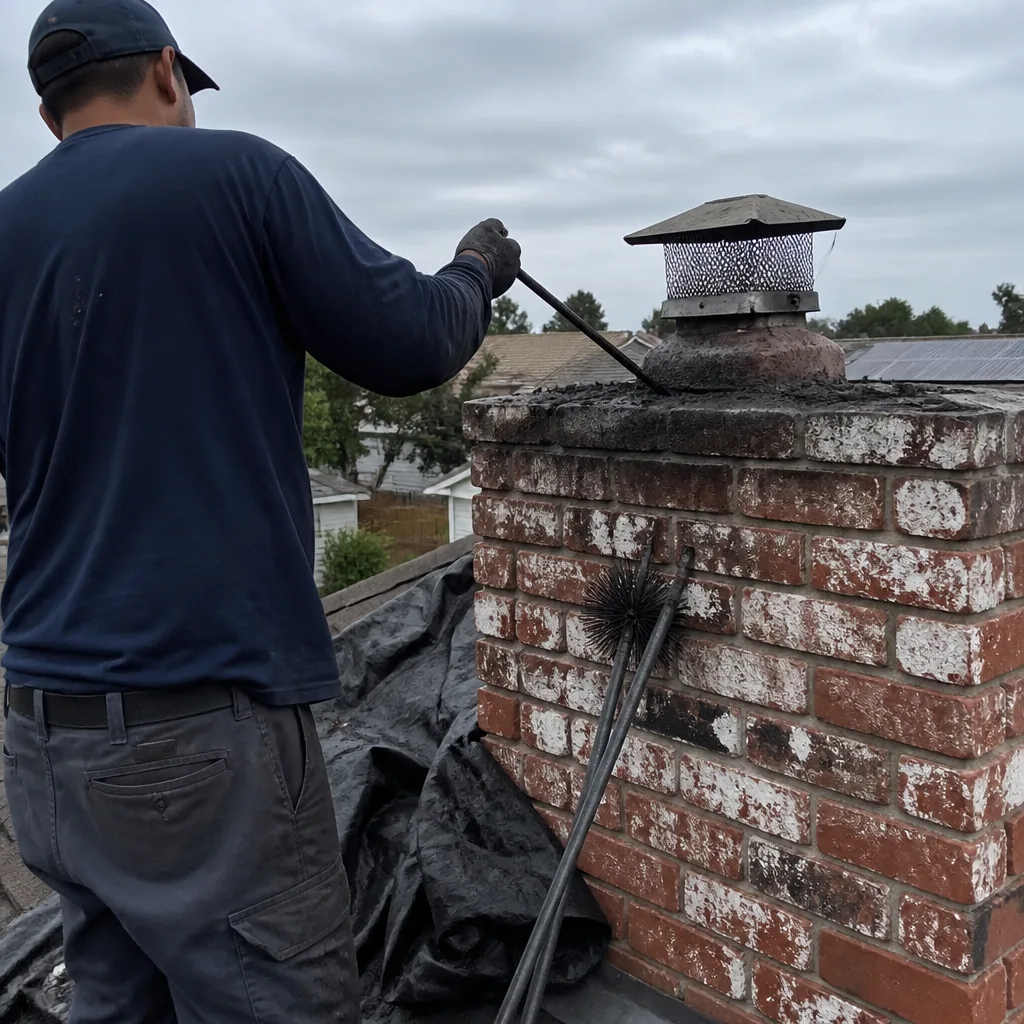
- Check the chimney cap and spark arrestor. A damaged or missing cap is an open invitation to weather, moisture, and animals. Irvine’s coastal air carries salt, and when salt-laden moisture sits on metal chimney components, corrosion accelerates. A rusted spark arrestor can shed metal fragments into the flue, creating an obstruction that is difficult to see from the ground.
- For gas fireplaces, verify that the pilot assembly, burner, and venting are clean and unobstructed. Gas appliances are often seen as maintenance-free, but they accumulate dust and debris that can affect combustion and venting performance. A gas fireplace that is not venting correctly is producing carbon monoxide inside the home, not outside it.
These pre-season steps are not a substitute for professional cleaning, but they identify the conditions that most commonly lead to emergencies. A chimney sweep who performs the annual cleaning at the same time as these checks is the most complete preparation you can do.
What Information to Have Ready When Calling a Chimney Professional After an Emergency
After the fire department leaves and the home is declared safe, the next call should be to a chimney professional who can perform the Level 2 inspection and document the damage. The quality of the documentation directly affects how smoothly the insurance claim process goes and how quickly repairs can be prioritized. Before you pick up the phone, gather this information so the chimney company can respond with the right level of urgency.
- Date and time of the event. This is the starting point for any inspection report and for any insurance claim. Include the approximate duration of the chimney fire, from the moment you noticed the sound to the moment it stopped.
- What the fire department did. Did they run water down the flue from the roof? Did they use any suppression agents in the firebox? Did they remove any material from the chimney? Everything the department did affects the condition of the flue and the scope of the inspection.
- Whether any smoke entered the living space. If smoke was visible inside the home, note which rooms were affected and for how long. This matters for restoration purposes and for determining whether the event was confined to the chimney or extended into the structure.
- The last time the chimney was swept or inspected. If you have documentation from a previous chimney cleaning or inspection, have it available. The inspector will want to compare the pre-fire condition to the post-fire condition and may need to reference prior notes about creosote loading or liner condition.
- Your homeowners insurance policy information. Chimney fire damage is often covered under standard homeowners insurance, but the documentation requirements vary. The chimney company’s inspection report, with video footage and written findings, is usually the document that moves the claim forward.
- Any photos or videos you took during or after the event. If you captured the sound or the smoke on video, save it. These records are part of the claim file.
Having this information organized means the chimney professional can get on the roof or into the attic immediately, rather than spending time reconstructing the event from memory. In the aftermath of an emergency, the faster the documentation exists, the better protected the homeowner is.
Repair Paths After a Chimney Event: From Cleaning to Liner Restoration
Not every chimney fire ends in a full rebuild. The repair path depends on the condition of the flue after the event, and the range runs from a simple cleaning to a complete liner restoration or replacement. Understanding the options helps Irvine homeowners evaluate what a contractor is recommending and why.
In the most benign case, a chimney that has experienced a small creosote fire but shows no structural damage during the Level 2 inspection may only need a thorough sweeping to remove the fire-damaged residue. This is the best-case scenario, and it is not uncommon for homes that burn seasoned hardwood and have the chimney swept annually. The flue tiles are intact, the mortar joints are solid, and the smoke chamber is in serviceable condition. The fireplace is returned to service after the cleaning is complete.
When the fire has cracked flue tiles or damaged the mortar but the chimney structure is otherwise sound, a stainless steel liner installation is usually the recommended repair. In our work we use professional-grade liner systems such as DuraFlex and Gelco, which are supplied through trade channels that are not available to the average homeowner and not stocked by general contractors who do not specialize in chimney work. A new liner provides a continuous, sealed path from the firebox to the rain cap, and it restores the chimney to safe operating condition without demolishing the existing masonry.
For flues with less severe damage, a restoration system such as HeatShield can often rehabilitate the existing liner without complete replacement. HeatShield is a ceramic-based resurfacing system that is applied inside the flue to fill cracks, seal gaps, and rebuild spalled areas, including the smoke chamber. It is a genuine restoration technique, not a patch, and it can extend the life of a masonry chimney by decades. The fact that this option exists is not widely known among Irvine homeowners, but it can save substantial money and disruption compared to a full liner replacement.
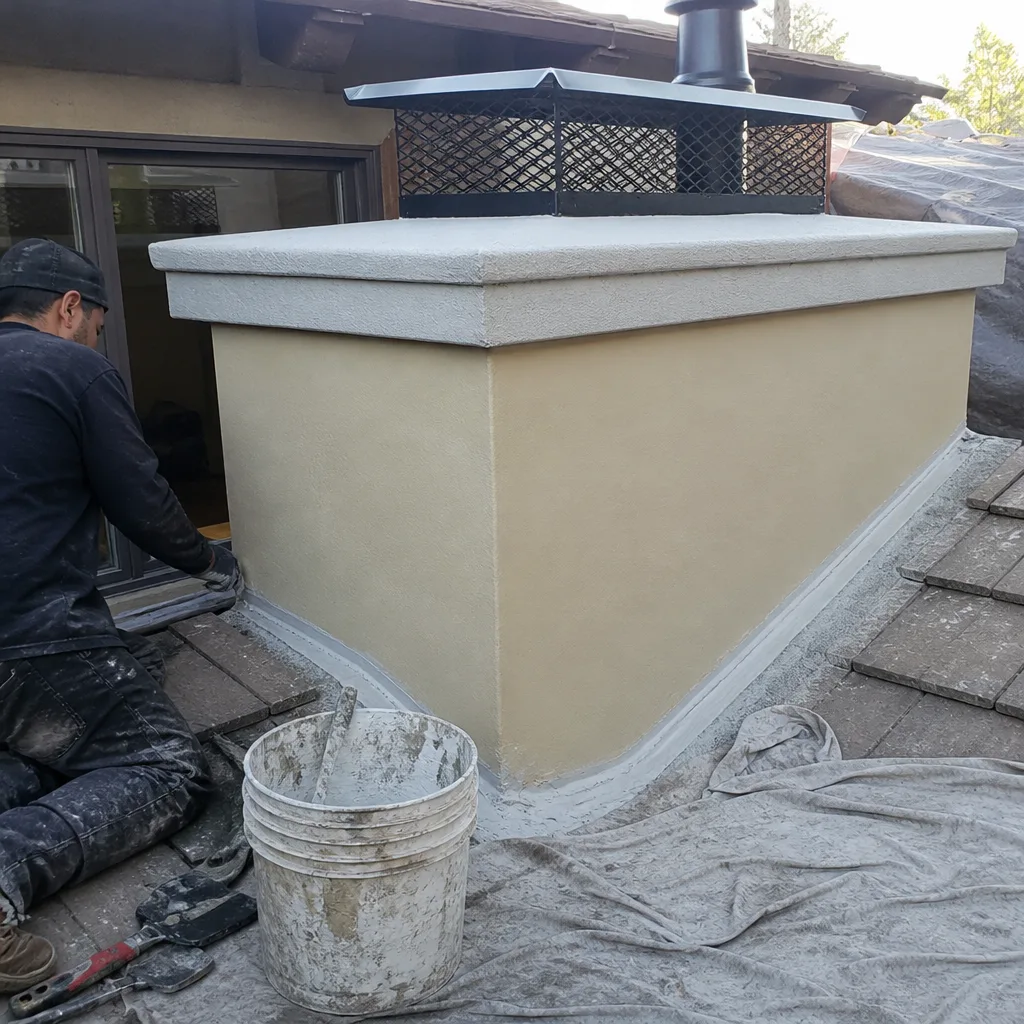
Some chimney events damage the crown, the cap, or the flashing. These components are part of the chimney enclosure, not the flue itself, but they affect how water and weather interact with the entire system. We stock and install Olympia Chimney and Famco components for caps, dampers, and ventilation terminations, which gives us the ability to complete a post-emergency repair without sending the homeowner to a second contractor or waiting on a special-order part from a hardware store.
Common Mistakes to Avoid
- Using water to extinguish a chimney fire. The steam blast can shatter flue tiles and scald anyone standing near the firebox. Let the fire department handle suppression using methods that do not create explosive thermal shock.
- Reopening the fireplace the day after a chimney fire because “it seems fine now.” A chimney fire changes the internal condition of the flue even when no damage is visible from the outside. Using the fireplace without a Level 2 inspection is the equivalent of driving a car after an engine fire without opening the hood.
- Ignoring the sound of a chimney fire because it resembles a normal fire. The distinguishing feature is the sustained, rumbling quality that does not stop when the fire in the firebox settles. If the sound comes from behind the wall and persists for more than a few seconds, evacuate and call 911.
- Assuming that a gas fireplace cannot cause a chimney emergency. Gas appliances produce carbon monoxide and require proper venting. A blocked gas vent in a tightly sealed Irvine home is a carbon monoxide event waiting to happen. Gas vents require inspection too.
- Waiting to schedule a pre-season cleaning until after the first cold snap. Irvine fireplace use spikes sharply when temperatures drop, and the demand for chimney sweeps follows. Homeowners who schedule in September or October get their choice of appointment times, while those who wait until November are often squeezed into a packed calendar or, worse, decide to skip the cleaning entirely.
- Treating a chimney cap as optional. In Irvine, the cap is the front-line defense against birds, squirrels, rain, and debris. A missing or damaged cap is one of the most common root causes of chimney blockages we see in the area.
- Forgetting that the dryer vent is part of the same fire-safety picture. Lint accumulation in dryer vents is a leading cause of household appliance fires, and the failure mode is similar to a chimney fire: buildup ignites in an enclosed vent space. A home that is prepared for fireplace season should also have the dryer vent inspected and cleaned on a regular schedule.
When to Call a Professional
Any chimney emergency, whether it is a suspected chimney fire, a carbon monoxide alarm activation with the fireplace in use, or a noticeable change in fireplace performance such as smoke backing into the room, warrants a call to a professional who can inspect and diagnose. The threshold is low because the consequences of skipping the inspection are high. A fireplace that smoked once will likely smoke again, and the underlying cause may be a partial blockage that is also producing carbon monoxide. If the chimney has experienced a fire event, the professional call is not optional; it is the only path back to safe use. Limestone Chimney Sweep home serves Irvine and the surrounding communities with full-service chimney inspection, cleaning, and repair, including post-emergency Level 2 inspections and liner restoration. Call (855) 341-5439 for a free estimate, and we will get a crew out to assess the chimney before you use it again.
Frequently Asked Questions
A standard chimney sweep in Irvine typically runs between $150 and $300 for a routine cleaning, with higher prices when the chimney is heavily creosoted or has not been cleaned in several years. Homes with gas fireplaces generally pay on the lower end, while wood-burning fireplaces that see heavy use during Irvine’s winter months land in the middle to upper range. An inspection is often included with the sweep, and any repairs or liner restoration are quoted separately. Call (855) 341-5439 for an exact quote on your flue, and we will give you a straight answer before we send anyone out.
Not always, but the answer depends entirely on the condition of the existing flue after the event, which can only be determined with a video Level 2 inspection. Some chimney fires produce creosote burning that leaves the liner intact and only requires a thorough cleaning. Others crack flue tiles or warp metal liners, creating pathways for hot gases to reach combustible framing. If the liner is damaged, replacement or restoration is the only safe repair. If the liner is intact, no replacement is necessary, and a professional who tells you otherwise should show you the video footage that supports the recommendation.
The National Fire Protection Association recommends an annual inspection and cleaning at the frequency required by the level of creosote buildup, and for most Irvine wood-burning homes, that means once per year. Homes that burn unseasoned wood, use the fireplace more than three nights a week during winter, or operate open fireplaces that are not EPA-certified may need twice-yearly sweeps. Gas fireplaces should be inspected annually even though they do not produce creosote, because vent blockages and burner issues are still common. A pre-season sweep every autumn covers the typical Irvine usage pattern.
The short answer is that creosote accumulates, and creosote is the fuel that turns a normal fire into a chimney fire. A single season of burning can deposit enough stage-one creosote to create a noticeable layer on the flue walls. Two or three seasons without cleaning can build stage-two or stage-three deposits that are significantly harder to remove and significantly more dangerous. In the meantime, the draft becomes more restricted, which pushes more smoke and combustion gases back into the living space. The longer the cleaning is skipped, the higher the fire risk and the more expensive the eventual cleaning becomes. Scheduling an annual sweep before burning season starts is the cheapest and simplest way to avoid the emergency entirely. Call (855) 341-5439 and we will get it on the calendar.
Chimney cleaning is best handled by a professional who has the training and equipment to work safely on a roof and the knowledge to recognize when creosote levels require more than a standard brushing. The work requires specialized brushes sized to the flue, a vacuum system that prevents soot and dust from entering the living space, and the ability to inspect the entire flue from the roof while standing on a surface that may be wet or steep. Safety gear, proper ladder techniques, and experience working with Irvine’s mix of single-story and multi-story rooflines all factor into why professional cleaning is the right choice. Most importantly, a professional inspection catches the hidden problems before they become emergencies.
In most cases, yes, chimney fire damage is covered under standard homeowners insurance policies, including the cost of the inspection, the repair work, and any interior restoration needed if smoke entered the home. The coverage is subject to the deductible, and the claim process requires documentation that shows the cause of the damage and the scope of the repairs. A Level 2 inspection report with video footage is the core of that documentation. Working with a chimney company that can provide detailed written reports and clear video evidence speeds the claim and reduces the back-and-forth with the adjuster. We provide that documentation as part of every post-emergency inspection we perform in Irvine.
The Bottom Line
Chimney emergencies are preventable. The sound that most Irvine homeowners dismiss as a “normal fire noise” is often the first warning of a chimney fire that is already underway, and by the time smoke enters the house, the flue is compromised. The response protocol is simple: close the firebox, evacuate, call 911, never use water. After the event, a Level 2 inspection is the only path back to using the fireplace, and the repair options range from a simple sweep to a HeatShield restoration or a DuraFlex or Gelco liner installation. Pre-season preparation, including an annual sweep and a damper, cap, and creosote check, eliminates the conditions that cause most emergencies. And a home that takes fireplace safety seriously should treat the dryer vent with the same level of attention, because lint fires burn the same way. For a free estimate on chimney cleaning, inspection, or post-emergency repair in Irvine, call Limestone Chimney Sweep at (855) 341-5439. We restore fireplaces to safe, dependable condition, and we carry the materials to fix what we find.
Written by the team at Limestone Chimney Sweep, serving Irvine since 2014.
See the difference
 Before
 After
 Before
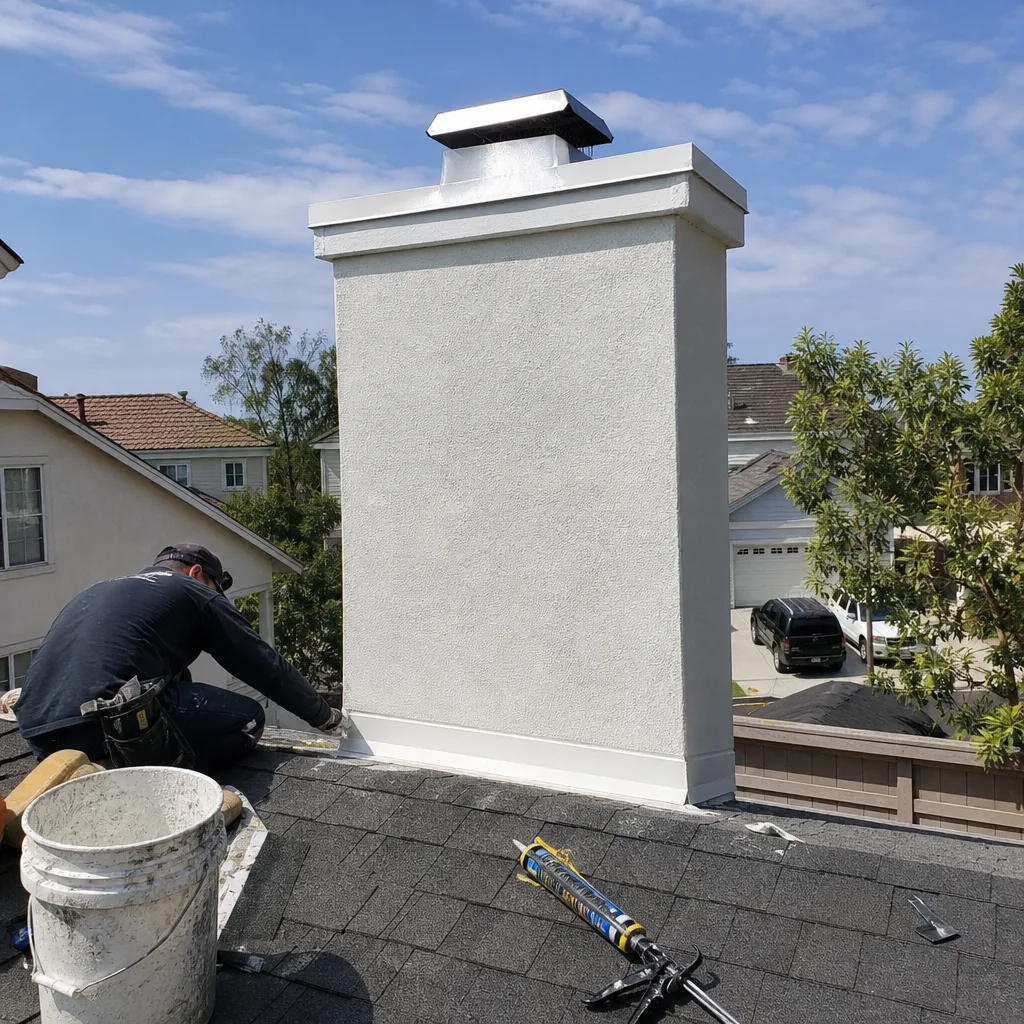 After
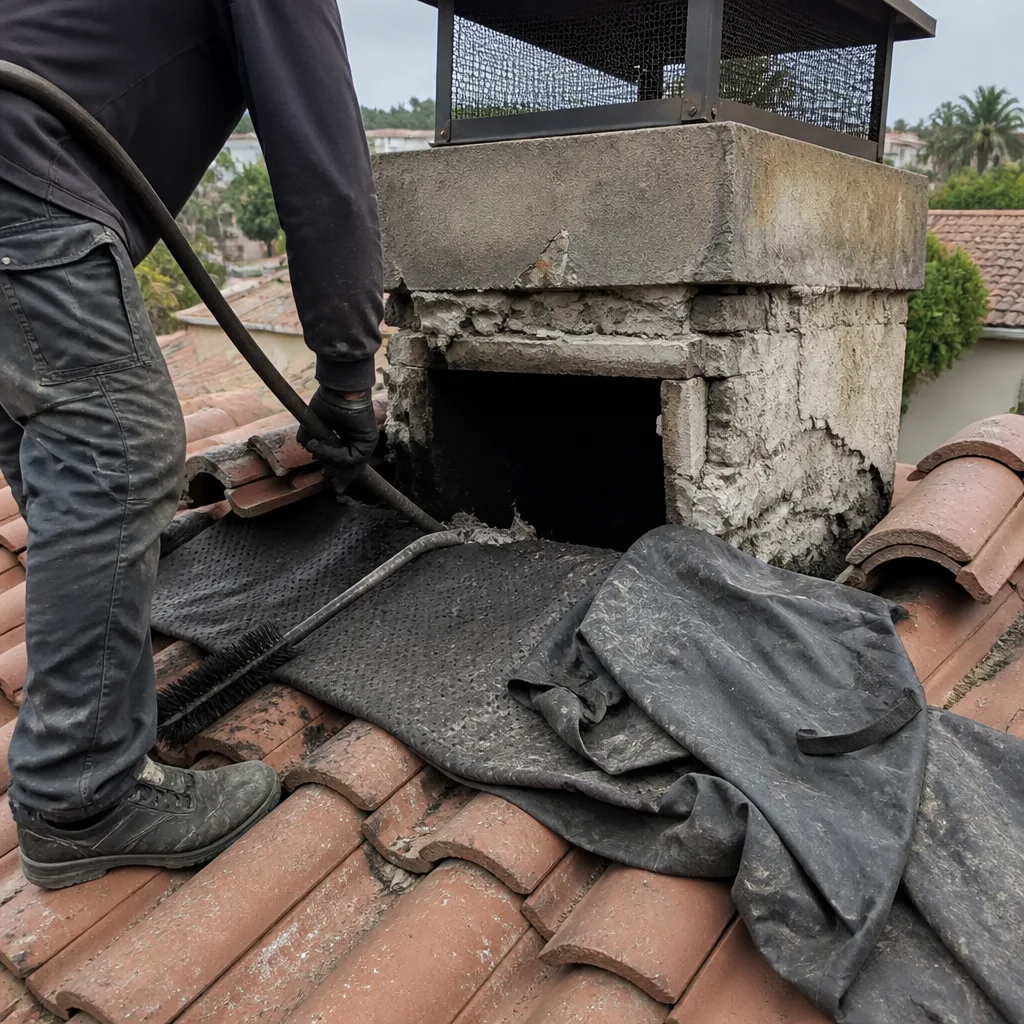 Before
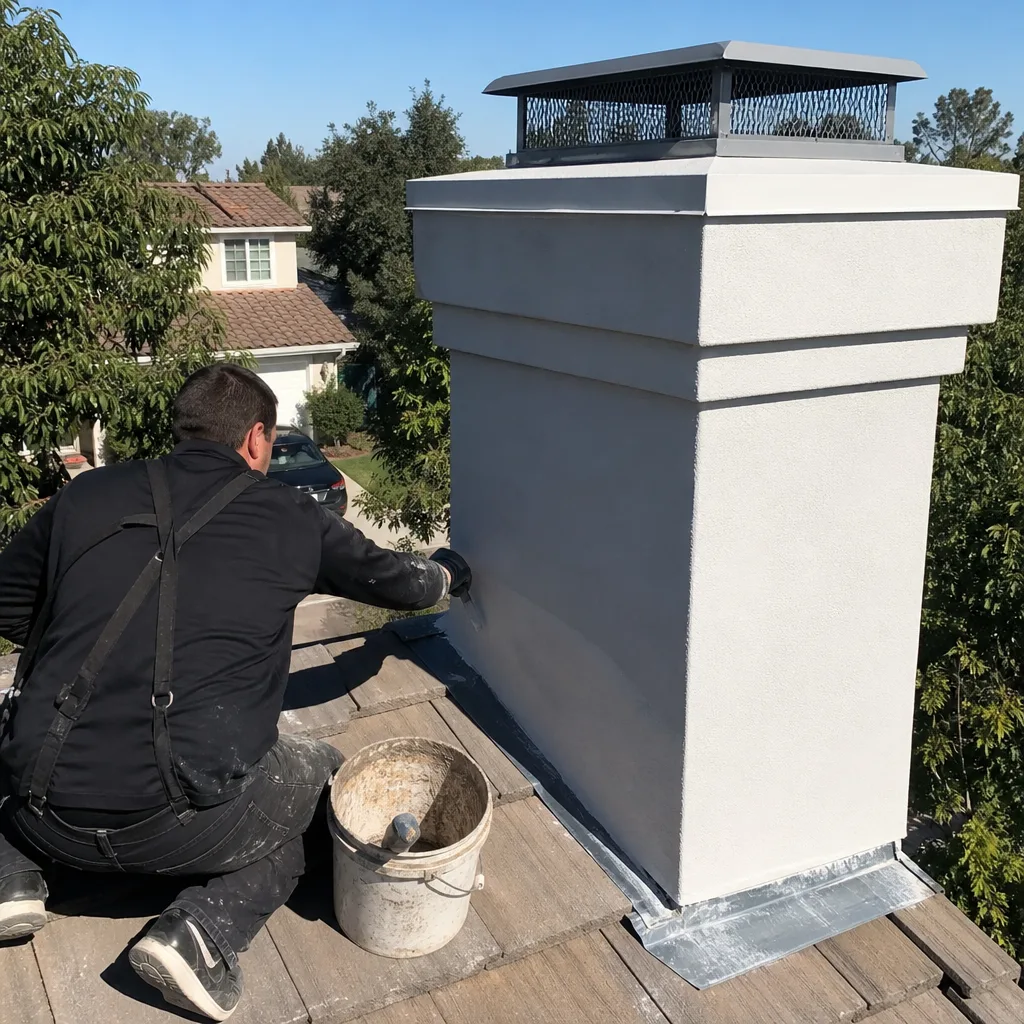 After