Last updated October 30, 2026
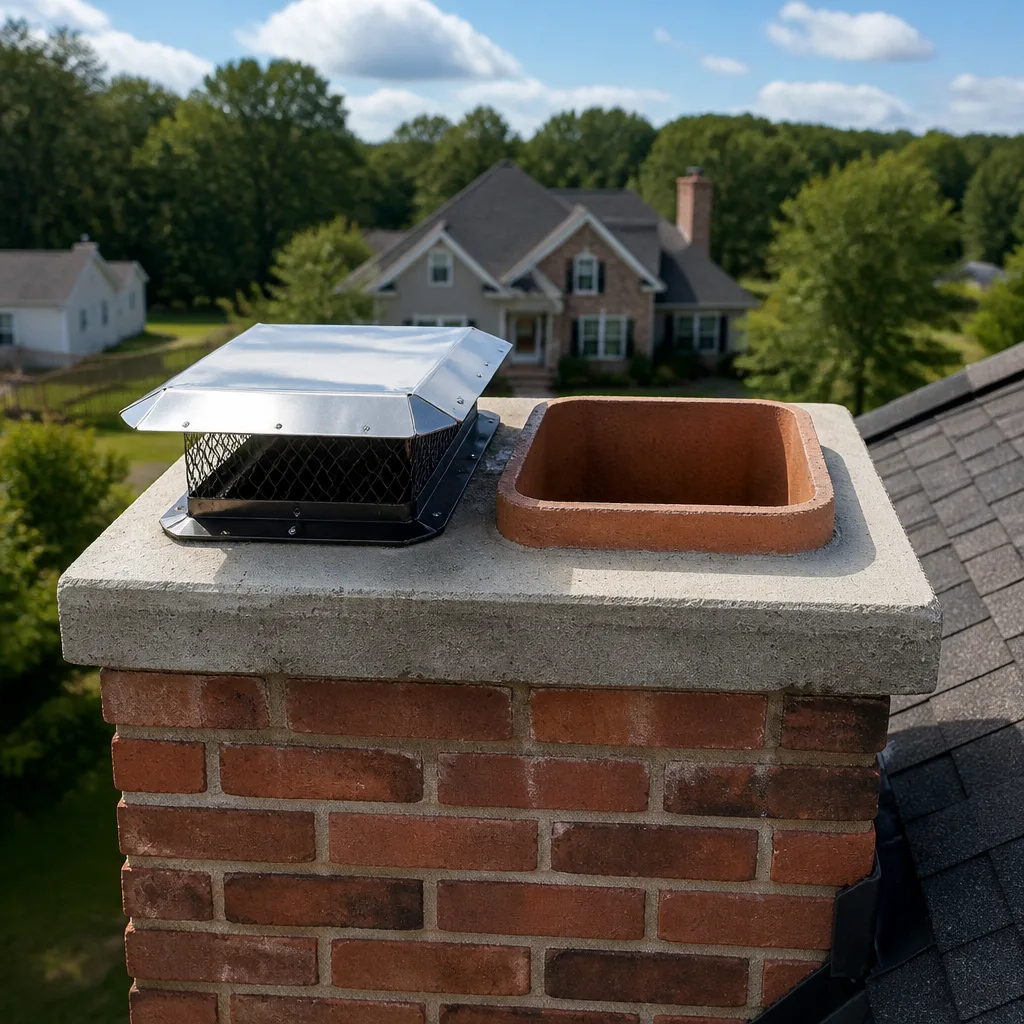 Sweep & inspection
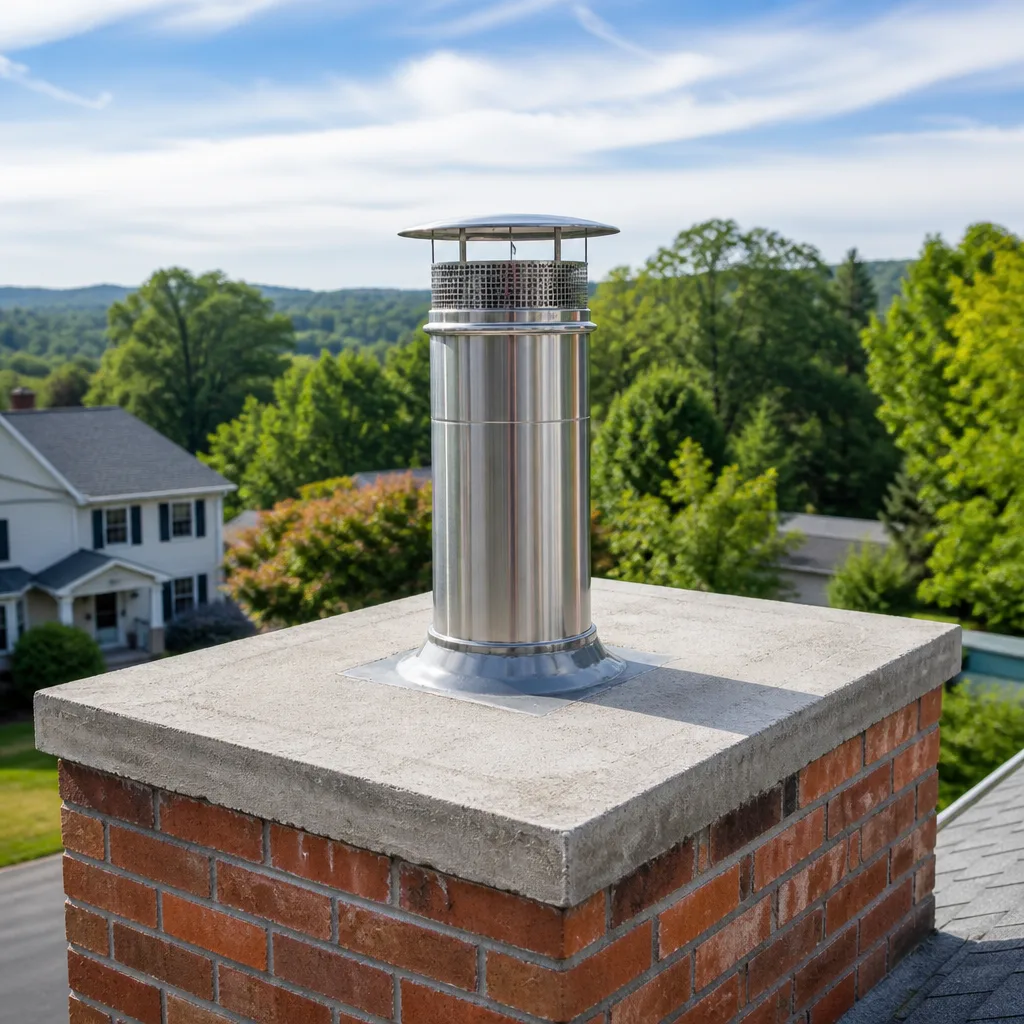
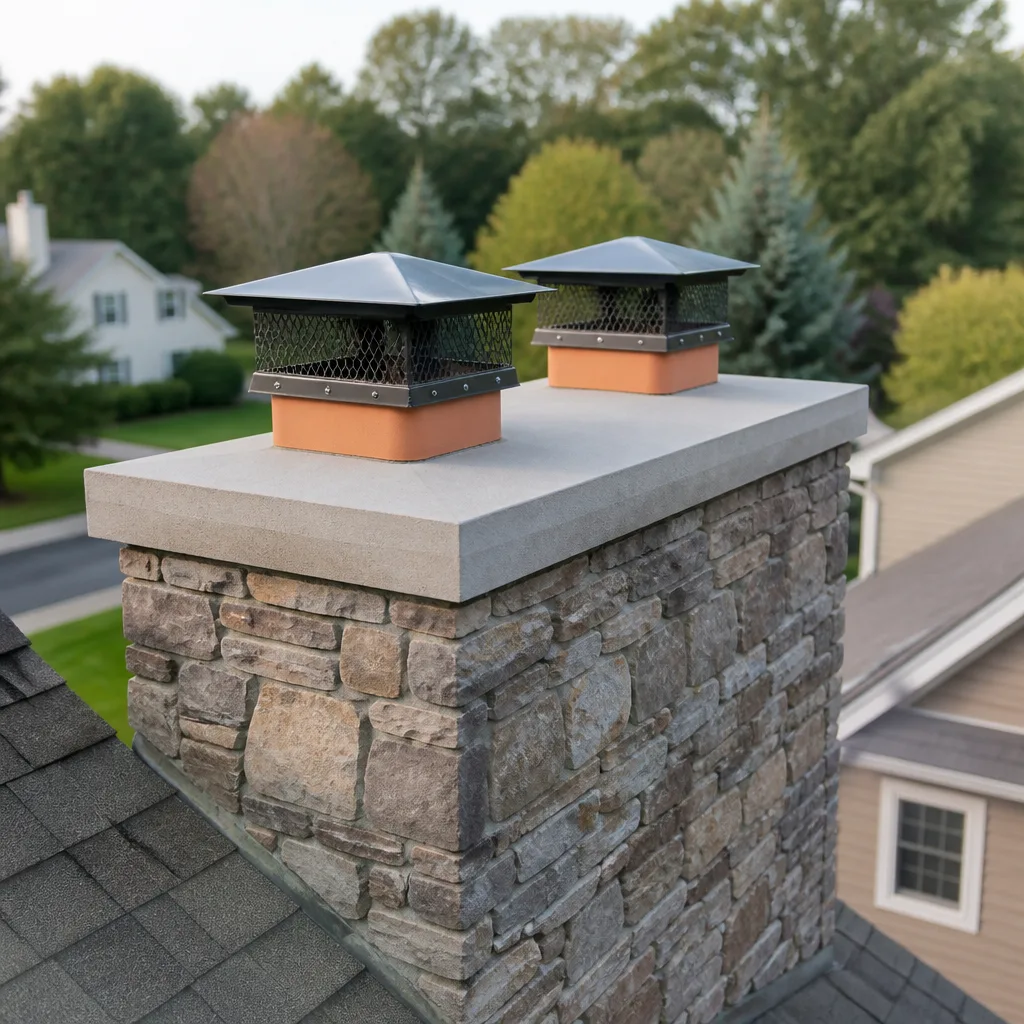 Caps & crowns
 Flue relining
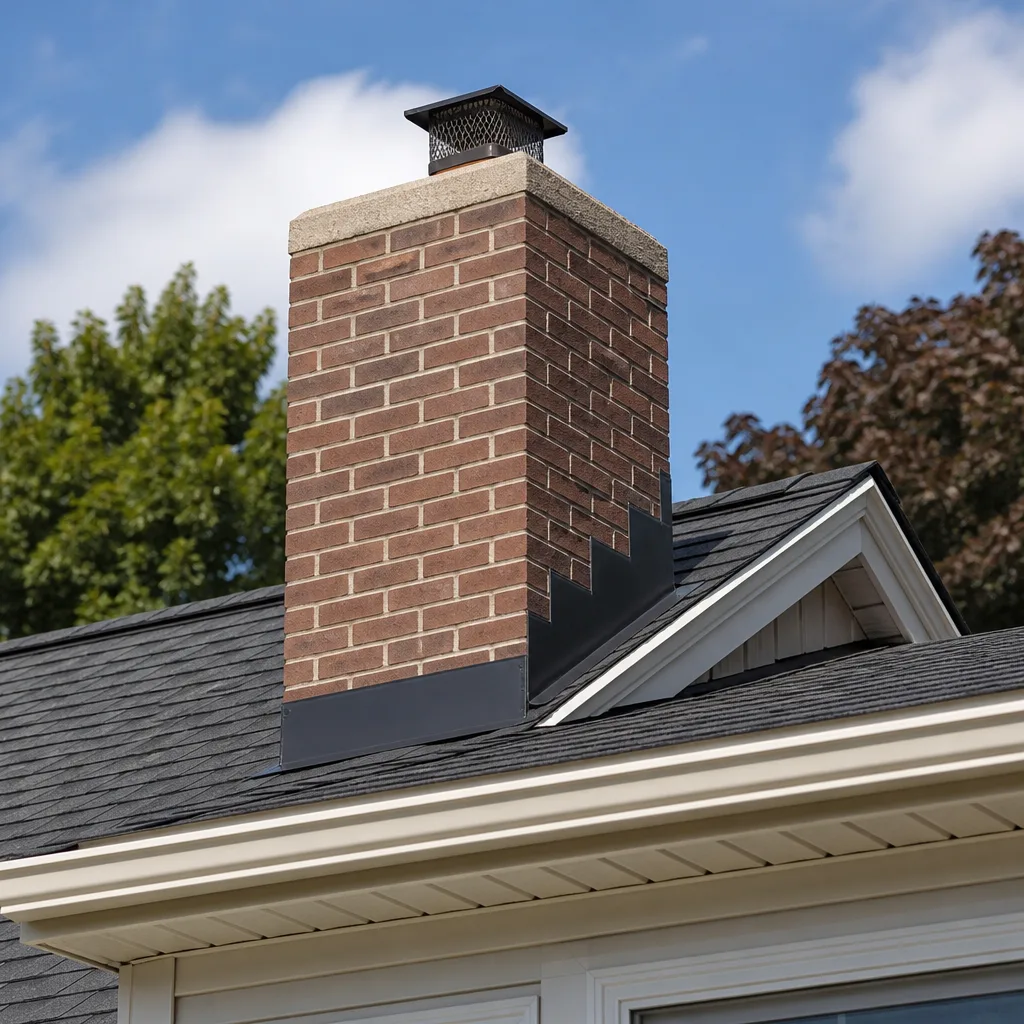 Masonry repair
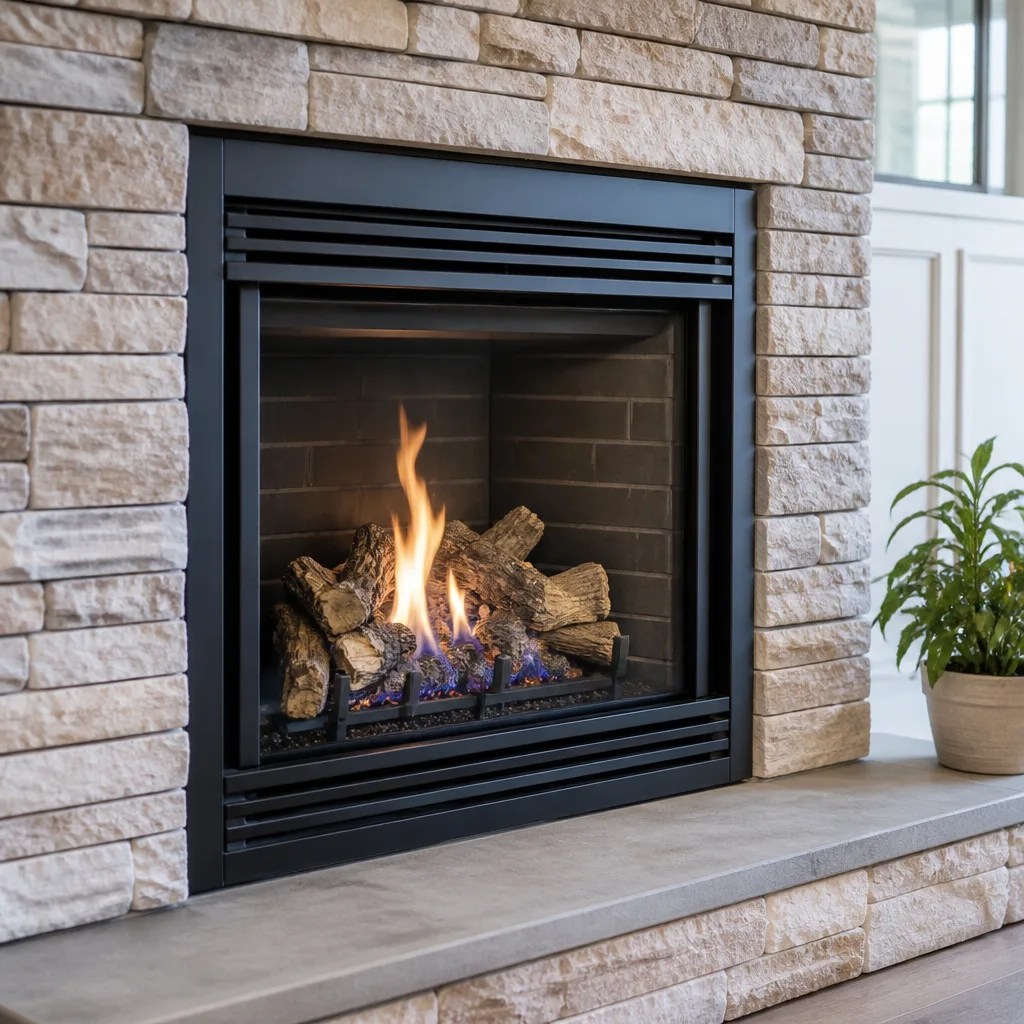 Gas fireplace service
Level 1 sweep and inspection to the NFPA 211 annual standard - flue, crown, cap, and flashing checked and photographed
Chimney sweep logs do not sweep chimneys. They loosen some creosote - which then falls where a brush and vacuum still have to collect it.
Choosing the Right Chimney Cleaning Brand: A Buyer’s Guide for Irvine
The chimney sweep who stocks Famco caps and DuraFlex liner systems is working from a fundamentally different quality baseline than one who sources generic caps and liners off a wholesale catalog, and those material differences outlast the service call by a decade or more. Most Irvine homeowners never think about the brands behind their chimney service until something fails. This guide—along with our Complete Chimney Sweep Guide for Irvine Homeowners—explains what brand credentials, material standards, and product categories actually matter when you’re evaluating a chimney cleaning company in Irvine, and how the quality of materials used during service affects long-term chimney performance.
Styles & brands we work with
Quick Answer
The right chimney cleaning company for Irvine homes is one that uses professional-grade materials from established manufacturers like Famco, Copperfield, DuraFlex, and HeatShield rather than generic wholesale parts, stocks repair components on the truck, and can explain why they chose those brands. A cleaning-only service that can’t repair what it finds leaves you managing two contractors and twice the scheduling. Look for a company that treats chimney and dryer vent work as a unified fire-safety category and can show you the materials they use before the job starts.
Table of Contents
- Why the Material Brands on the Truck Matter More Than the Sweep’s Logo
- Chimney Caps and Dampers: Where Brand Choice Hits Your Wallet First
- Liner Systems: The Difference Between a Patch Job and a 20-Year Fix
- Creosote Removal Products: First-Degree vs. Glazed Formulations
- Professional Equipment: Rotary Systems, HEPA Containment, and Indoor Air Quality
- How to Ask Your Sweep What Brands They Stock, and What a Good Answer Sounds Like
- How to Evaluate a Chimney Company’s Material Standards Before You Hire
- Common Mistakes to Avoid
- When to Call a Professional
- Frequently Asked Questions
- The Bottom Line
Why the Material Brands on the Truck Matter More Than the Sweep’s Logo
Every chimney sweep in Irvine will tell you they do quality work. Most will show up with brushes, a vacuum, and a friendly attitude. But the materials they carry say more about their business than any marketing claim. A sweep who arrives with professional-grade replacement parts from manufacturers like Famco and Copperfield isn’t just cleaning your chimney. They’re prepared to fix what they find, and they’re using components with engineering specifications and warranties behind them.
Here’s what that looks like in practice. A standard cleaning reveals a cracked chimney cap or a damper that no longer seals. A cleaning-only service hands you a report and tells you to find a repair contractor. That means another round of calls, another appointment, another service fee. A full-service chimney company reaches into the truck, pulls out a Copperfield cap or a Famco damper assembly, and fixes the problem the same day. The Limestone Chimney Sweep home approach is built around this repair-readiness because we’ve seen too many Irvine homeowners get stuck in a cycle of clean-and-refer that leaves their chimney unprotected between visits.
The material brands themselves matter because chimney components live in a harsh environment. They sit on the roof in coastal air, salt haze, and full sun. They endure thermal cycling every time you light a fire. Generic hardware-store caps made from thin gauge steel will rust through in a few seasons in Irvine’s marine-influenced climate. Professional-grade components from manufacturers who build specifically for chimney applications are engineered with material thickness, corrosion resistance, and fit tolerances that generic parts simply don’t have.
When we look at the chimney cleaning products brands available to Irvine homeowners, the split isn’t between good and bad. It’s between products designed for real chimney service work and products designed to sit on a retail shelf. The difference shows up in stainless steel grades, in galvanizing thickness, in the quality of the mesh on a cap, and in how well a damper seals after a thousand open-close cycles.
Chimney Caps and Dampers: Where Brand Choice Hits Your Wallet First
Chimney caps are the most commonly replaced component on Irvine chimneys, and they’re where material quality differences are most visible. A cap has one job: keep water, animals, and debris out of the flue while letting combustion gases escape. That sounds simple, but the quality gap between a good cap and a cheap one is enormous.
Stainless steel caps from manufacturers like Copperfield and Famco are built from specific grades of steel, usually 304 or 409 stainless, chosen for corrosion resistance in outdoor exposure. They use welded mesh with specific opening sizes that block sparks and animals without restricting airflow. The mounting brackets are designed to grip the flue tile or chase top securely through years of wind and thermal expansion. A generic cap from a big-box store might be thin steel with a powder coat that starts flaking within two years of Irvine’s coastal air exposure.
Dampers tell a similar story. A top-sealing damper from a professional brand replaces the traditional throat damper and sits at the top of the flue, where it creates a much better seal against heat loss and keeps animals from getting in. The engineering matters here: the spring tension, the gasket material, the cable hardware, the mounting plate. Famco and Copperfield build these components to consistent tolerances with documented performance specs. Generic dampers often have loose tolerances that mean poor sealing, stiff operation, and early failure.
For Irvine specifically, cap and damper quality matters because of how homes here use their fireplaces. Many homes have gas log sets or gas fireplaces that still vent through a masonry chimney. When you’re not burning wood, the chimney is still exposed to weather, and a failed cap or damper lets moisture in that accelerates masonry deterioration. A quality cap is cheap insurance against a five-figure rebuild.
Liner Systems: The Difference Between a Patch Job and a 20-Year Fix
When a chimney has a cracked or deteriorated clay tile liner, the fix used to mean one thing: tear out the old liner, which often meant tearing out the chimney itself, and rebuild. That changed with the introduction of stainless steel relining systems, and the brand of liner your sweep installs matters more than almost any other product choice.
DuraFlex is the benchmark brand we stock and install for stainless steel chimney liners. The name matters because DuraFlex manufactures liner systems specifically engineered for flex installation in existing masonry chimneys, with wall thicknesses, alloy formulations, and connector systems designed to survive the corrosive environment of combustion exhaust. A DuraFlex liner installed correctly in an Irvine home is a 20-year component. A generic liner from an HVAC supply catalog, installed by someone who doesn’t specialize in chimneys, might last five years before the seams or connections fail.
There’s another option that matters for Irvine homeowners, and it’s one most chimney companies can’t offer. HeatShield is a cerfied liner restoration system that rehabilitates damaged flue tiles from the inside, using a specialized ceramic coating applied to the existing flue surface. This is a non-demolition repair alternative for chimneys with cracked or spalling liner tiles but otherwise sound masonry. The HeatShield system has been tested and certified for specific application conditions, and the material bonds to the existing flue to create a smooth, insulated, gas-tight surface.
Why does this matter for a buyer’s guide? Because when you’re evaluating a chimney cleaning company in Irvine, you should ask about their liner repair capabilities. A company that only cleans can’t restore a damaged liner. They’ll refer you out, and you’ll pay for the referral. A company that stocks DuraFlex and is certified to apply HeatShield can handle the full range of liner conditions, from “clean and inspect” to “restore” to “relining with stainless.” That full-service capability means you get one diagnosis and one solution, not a game of contractor telephone.
Creosote Removal Products: First-Degree vs. Glazed Formulations
Not all creosote is the same, and using the wrong removal product for the creosote in your chimney is at best ineffective and at worst damaging. This is one of the least understood parts of chimney maintenance, and it’s where the quality of the products your sweep uses really shows up.
First-degree creosote is the dry, flaky, sooty deposit that forms when combustion temperatures are relatively high and the chimney is drafting well. It brushes off fairly easily with standard sweeping. Most of what gets removed in a routine chimney cleaning in Irvine is first-degree creosote.
Second-degree creosote is the tar-like, glossy coating that forms when the flue is cooler, often because the fire is smoldering or the chimney is oversized for the appliance. It’s sticky, it’s harder to remove, and it requires more aggressive mechanical brushing with specialized rotary tools.
Third-degree, or glazed, creosote is the worst case. It’s a hard, shiny, baked-on layer that forms when creosote deposits have been repeatedly heated and cooled, essentially turning into a dense, fuel-rich glaze. This is the creosote that causes chimney fires, because it’s highly combustible and can ignite at temperatures inside a normal firebox. Glazed creosote will not come out with a standard brush. Attempting to remove it with hand tools is like trying to scrape baked-on enamel off a pan with a butter knife.
Professional chimney sweeps who work with glazed creosote use specific chemical treatments designed to break down the hardened deposit over time, applied after mechanical removal has done what it can. The right product choice depends on the creosote stage, the flue material, and the appliance type. Using a first-degree brush-and-vacuum approach on a glazed flue doesn’t just leave the hazard in place. It can score the flue surface without removing the glazing, creating a rough surface that catches future deposits even faster.
When you’re hiring a chimney cleaner in Irvine, ask about their approach to creosote removal. A knowledgeable sweep will ask what you burn, how often, and at what temperature, because those factors determine what kind of creosote is forming. A sweep who just says “we brush it out” without asking those questions is probably not going to handle glazed creosote correctly if they find it, and in our experience, Irvine homes with older fireplaces that have seen decades of use are exactly where glazed creosote shows up.
Professional Equipment: Rotary Systems, HEPA Containment, and Indoor Air Quality
The equipment a chimney sweep brings into your Irvine home affects three things: how thoroughly the chimney gets cleaned, how much mess lands in your living room, and what you’re breathing during and after the job. The gap between professional equipment and the kind of setup a weekend warrior or a budget cleaning service uses is wide.
A standard hand brush and rod system is the baseline for chimney sweeping. It works, but it’s limited. It follows the shape of the flue, and in straight-forward chimneys it does a decent job. But chimneys with offsets, corbeled sections, or rectangular flues often don’t get fully cleaned with hand brushes because the brush doesn’t make consistent contact with every surface.
Rotary cleaning systems are the professional standard now. These use a spinning head with flexible whip lines that flex to the shape of the flue, mechanically scrubbing the full surface area as the head travels up the flue. The rotary action is dramatically more effective at removing second-degree and stubborn first-degree creosote than a hand brush. A company that invests in rotary equipment is spending real money to do a better job, and it shows in the results.
Containment is the part most homeowners notice. A professional setup includes a powerful HEPA-filtered vacuum, typically a negative-air machine that pulls air out of your home through the chimney opening while the sweep works. This creates negative pressure at the fireplace, which means dust and soot get pulled into the vacuum rather than drifting into the room. A shop vac, even a big one, doesn’t have the filtration or the air-movement capacity to contain fine chimney soot during a cleaning. What you breathe after a sloppy cleaning is fine particulate matter that a good HEPA containment system would have captured.
For Irvine homes specifically, this matters because of how many of us live. Open floor plans, high ceilings, central HVAC that recirculates air. Dust that escapes containment doesn’t just sit on the hearth. It gets pulled into the return air and distributed through the house. Paying for professional containment is paying for the air quality in the rest of your home.
How to Ask Your Sweep What Brands They Stock, and What a Good Answer Sounds Like
Most Irvine homeowners never ask their chimney sweep what brands they use, and that’s exactly what a sweep with thin material standards is counting on. Asking the right questions takes two minutes, and the answers will tell you more about the company than any online review.
Here’s a four-question approach that works:
- “What brand of chimney cap do you install?” A knowledgeable answer names a specific professional manufacturer like Famco or Copperfield and explains why they chose it: material grade, mesh gauge, mounting design. A deflection like “we use whatever’s best for your chimney” tells you they’re using whatever’s cheapest at the supply house that week.
- “What liner system do you install if you find damage?” The answer you want is a specific brand name like DuraFlex, with detail about wall thickness or alloy grade. A company that installs professional-grade liners knows the specs because they’ve been trained on the manufacturer’s installation requirements. A company that says “we don’t do liners” is telling you they’re cleaning-only, and you’ll need someone else if they find damage.
- “Do you offer liner restoration, or do you only do relining?” HeatShield certification is a meaningful distinction. It means the company can rehabilitate a damaged flue without demolition, which often costs significantly less than a full relining and preserves the original masonry. If the sweep doesn’t know what HeatShield is, they don’t work with modern liner restoration technologies.
- “What’s your containment setup?” You want to hear HEPA filtration and negative air. If the answer is “we put down a drop cloth and use a shop vac,” that tells you the company is cutting corners on equipment, and the cutting probably doesn’t stop there.
A good answer to any of these questions is specific, quick, and confident. A bad answer is vague, defensive, or pivots to price. When a sweep can’t tell you what products they use, it’s usually because they don’t want you comparing their materials against a professional standard. We’ve seen this play out in Irvine enough times to know the pattern. The company that’s proud of its materials will tell you about them.
How to Evaluate a Chimney Company’s Material Standards Before You Hire
You can assess a chimney company’s material standards before they ever set foot in your home. Here’s a structured way to do it, from the first look at their website to the written quote.
1. Look at their website for material mentions. Does the company name any brands, or do they talk only in generalities about “quality materials” and “professional service”? A company that stocks DuraFlex or HeatShield will usually say so, because those are expensive to maintain as in-stock inventory and they’re proud of it. The absence of brand names isn’t necessarily damning, but the presence of specific manufacturers is a strong signal. A Chimney Sweep in Villa Park page that names its material sources is a company that knows its products.
2. Check their service scope. Does the company offer sweep, repair, and installation, or is it clean-only? A company that only cleans has no reason to stock professional-grade repair materials. A company that repairs has to carry inventory, which means they’ve made a capital investment in the materials they use. That investment is a commitment to doing work right.
3. Ask for brand names during the phone call. This is the simplest test. When you call to book, ask what liner system they install or what cap brand they carry. A company that answers confidently with specific names has materials. A company that stumbles and says “we’ll figure that out when we see the chimney” is likely buying generic parts from a wholesale catalog on the way to your house.
4. Look at the truck when they arrive. A professional chimney company’s vehicle is a rolling material inventory. Look for organized storage of caps, dampers, and liner components in recognizable packaging. If the truck looks like it carries only brushes, buckets, and a vacuum, that’s a cleaning operation, not a full-service chimney company. A Dryer Vent Cleaning in Villa Park service that also carries chimney repair materials on the same truck is a company that treats the whole household fire-safety category seriously.
5. Read the written quote carefully. When you get a quote that includes repair work, it should specify the brand and model of the components being installed. “Replace chimney cap” is a vague line item. “Install Copperfield stainless steel cap, model X, with mounting bracket” is a material commitment. A quote that specifies materials is a quote from a company that knows what it’s installing and is willing to be held accountable for it. A Chimney Repair in Villa Park quote that names the material brands is a contract you can verify.
Common Mistakes to Avoid
- Choosing a cleaning-only service when you know your chimney needs work. If you’ve seen water stains on the ceiling near the chimney or noticed a metallic smell when you light a fire, you need a company that can repair, not just clean. Hiring a cleaning-only service means paying for a diagnosis you’ll have to pay someone else to act on.
- Assuming all chimney caps are the same. A galvanized steel cap from a hardware store will rust through in a few seasons of Irvine’s coastal air. A stainless steel cap from Famco or Copperfield is engineered for decades of outdoor exposure. The price difference is real, but the longevity difference is bigger.
- Using the wrong creosote product for the deposit you have. Dry flaky creosote brushes off easily. Glazed creosote requires specific chemical treatment and mechanical removal. Trying to use a first-stage product on a third-stage problem wastes product and leaves a fire hazard in place.
- Ignoring the containment question. A chimney cleaning that fills your living room with soot is not a quality cleaning no matter how well the flue itself was brushed. Ask about HEPA filtration and negative air before you book.
- Hiring based on the lowest quote without checking what’s included. A $99 cleaning special from a company that doesn’t carry repair materials and uses a shop vac for containment is more expensive than a $200 cleaning from a full-service company, because the $99 clean comes with a referral out and a mess to clean up.
- Not checking for repair certification on liner restoration. HeatShield certification is a specific, trainable qualification. A company that offers “liner repair” without manufacturer certification is improvising with products that haven’t been tested for that application.
- Treating the chimney and the dryer vent as separate problems. Both are fire-safety ventilation systems in your home. A company that handles both understands the full picture of your household’s exhaust and fire risk, and you’re not managing two contractors for related safety work.
When to Call a Professional
Chimney cleaning is not a DIY project, and the reasons go beyond the mess. A professional sweep has the equipment to clean the full length of the flue, the training to recognize deterioration that needs repair, and the materials to fix what they find. Specific signs that it’s time to call: you see visible creosote buildup on the damper or firebox walls, you smell a campfire odor in the house when the fireplace isn’t in use, you hear animals in the chimney, or you notice water staining around the ceiling near the chimney. If it’s been more than a year since the last cleaning, or you’ve burned more than a cord of wood since the last service, call before you build another fire. Limestone Chimney Sweep offers free estimates in Irvine, call (855) 341-5439.
Frequently Asked Questions
A routine chimney cleaning in Irvine typically falls between $180 and $300 for a standard masonry fireplace with a straight flue, with additional cost when the flue has creosote buildup beyond first-degree, when the chimney has not been inspected recently, or when repairs are needed on the cap, damper, or liner. The price difference between companies often reflects what’s included: professional HEPA containment, full inspection, and the ability to repair what’s found versus a basic brush-and-vacuum clean. Call (855) 341-5439 for an exact quote, estimates are free.
The National Fire Protection Association recommends annual chimney inspection and sweeping when needed, meaning at minimum once per year if you use the fireplace regularly during the burning season. If you burn more than two cords of wood per year, or if you burn soft woods like pine that produce more creosote, you may need service twice a year. Gas fireplaces still need annual inspection even though they don’t produce creosote, because the venting system needs to be checked for blockages and deterioration.
Creosote accumulates with every fire, and creosote is combustible. The most serious risk is a chimney fire, which can spread to the structure of the house and is the kind of fire that often goes undetected until it’s already caused significant damage. Less dramatic but more common: the chimney stops drafting properly, smoke backs up into the living space, and carbon monoxide becomes a real concern with gas appliances. The chimney also deteriorates faster when creosote and moisture are left in place, meaning more expensive repairs later.
Not necessarily. Clay tile liners crack and deteriorate over time, but that doesn’t always mean full replacement. HeatShield liner restoration can rehabilitate many damaged liners from the inside, restoring the flue surface and sealing cracks without demolition. If the liner is too far gone for restoration, a stainless steel relining with a DuraFlex system is the standard fix. A trustworthy chimney company will show you camera footage of the liner condition and explain which option actually applies to your chimney, rather than defaulting to the most expensive repair. Call (855) 341-5439 for a camera inspection, and you’ll see the evidence for yourself.
In many cases, yes. Caps, dampers, and other exterior components are commonly replaced during the same service visit when the company carries them in stock. Liner work and masonry restoration require more time and are usually scheduled as a separate appointment. The key is hiring a company that stocks repair materials in the first place, so a simple cap replacement or damper fix doesn’t turn into a callback and a new service fee.
Irvine’s marine-influenced air means chimney components face persistent moisture and salt exposure, which accelerates rust on galvanized caps and deterioration on exterior masonry. Homes built in the 1970s and 80s, which make up a large portion of Irvine’s housing stock, are reaching the age where original clay tile liners are cracking and original caps are failing. We also see a lot of gas log conversions in Irvine, which change the venting dynamics and can create conditions for accelerated creosote buildup from incomplete combustion.
The creosote removal logs and powders sold at retail are marketed as DIY chimney cleaning products, but they don’t remove creosote in any meaningful way. Most of these products are chemical treatments that can change the chemical structure of some creosote so it’s easier to remove during a professional sweeping, but they don’t clean the chimney themselves. Using them as a substitute for professional cleaning gives you a false sense of safety while creosote continues to accumulate. The professional-grade products a qualified sweep uses aren’t available at retail for good reason: they’re formulated for specific creosote types and require training to use correctly.
The Bottom Line
The chimney cleaning products and materials a company uses are not a minor detail behind the service. They determine whether a simple cleaning turns into a caught-and-fixed problem or a deferred repair, whether a cap lasts five years or twenty-five, whether a liner repair is a demolition project or a restoration. For Irvine homeowners, the practical takeaway is simple: ask what brands your sweep stocks, expect specific answers, and choose a company that carries materials to fix what it finds, not just a brush and a referral. For more guides & resources on keeping your chimney safe, explore our blog. Limestone Chimney Sweep works with DuraFlex, HeatShield, Famco, and Copperfield because those brands meet the standard we hold for our own work, and because a chimney that’s truly safe is one that’s been cleaned, inspected, and repaired with materials built for the job.
Written by the team at Limestone Chimney Sweep, serving Irvine since 2014.
See the difference
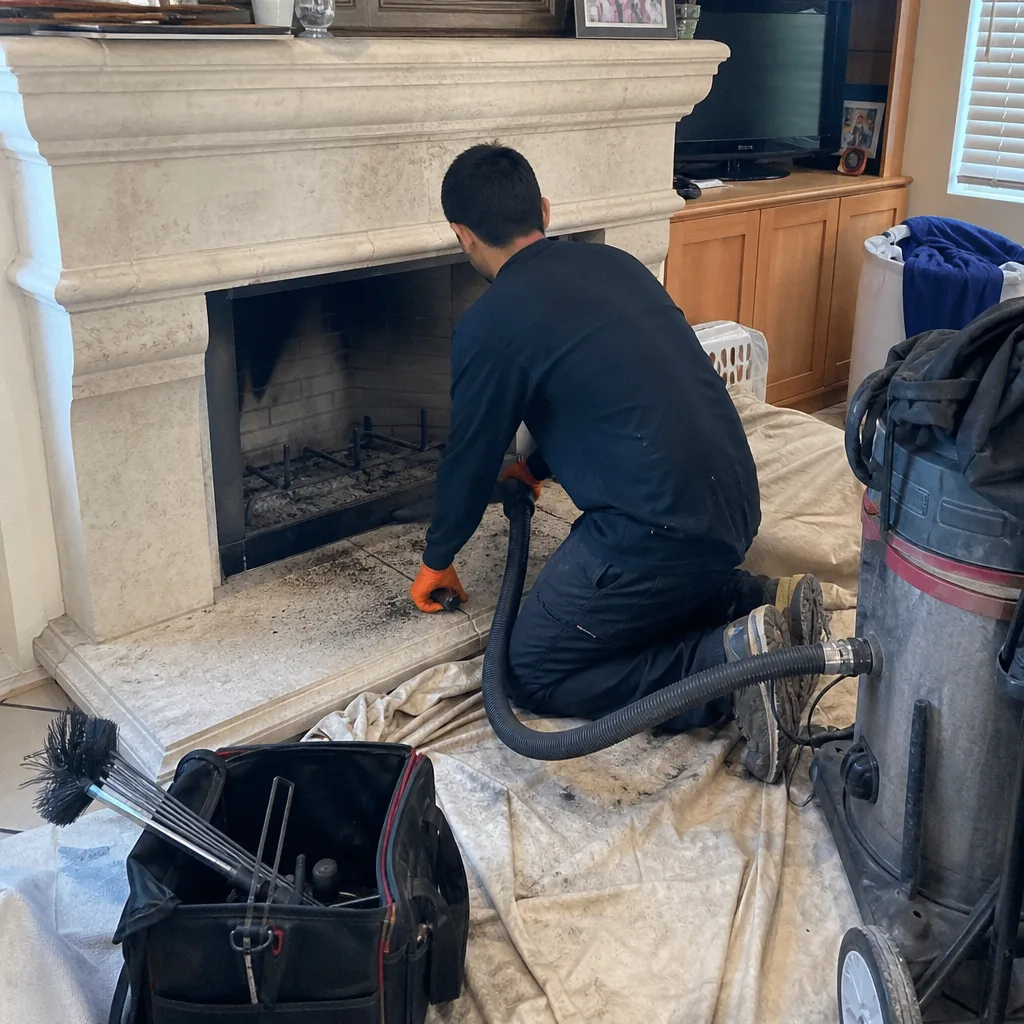 Before
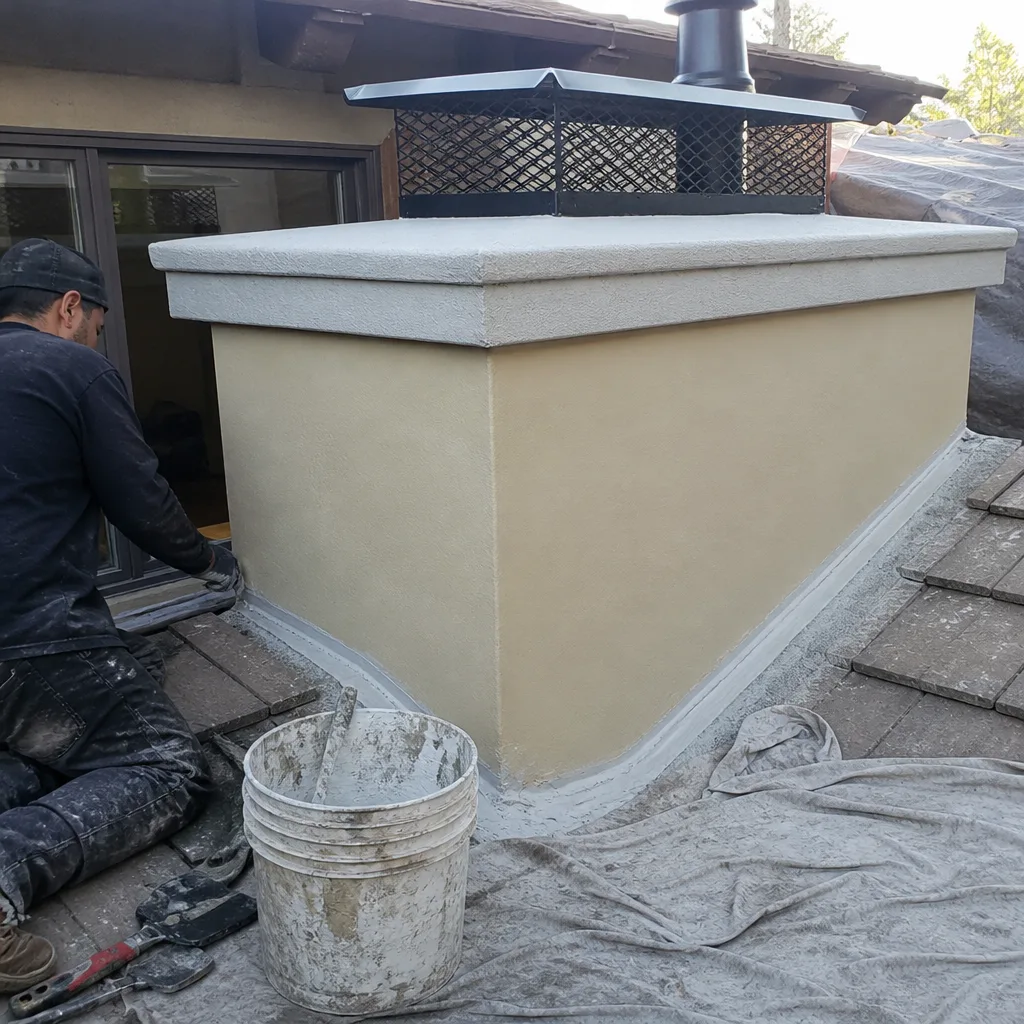 After
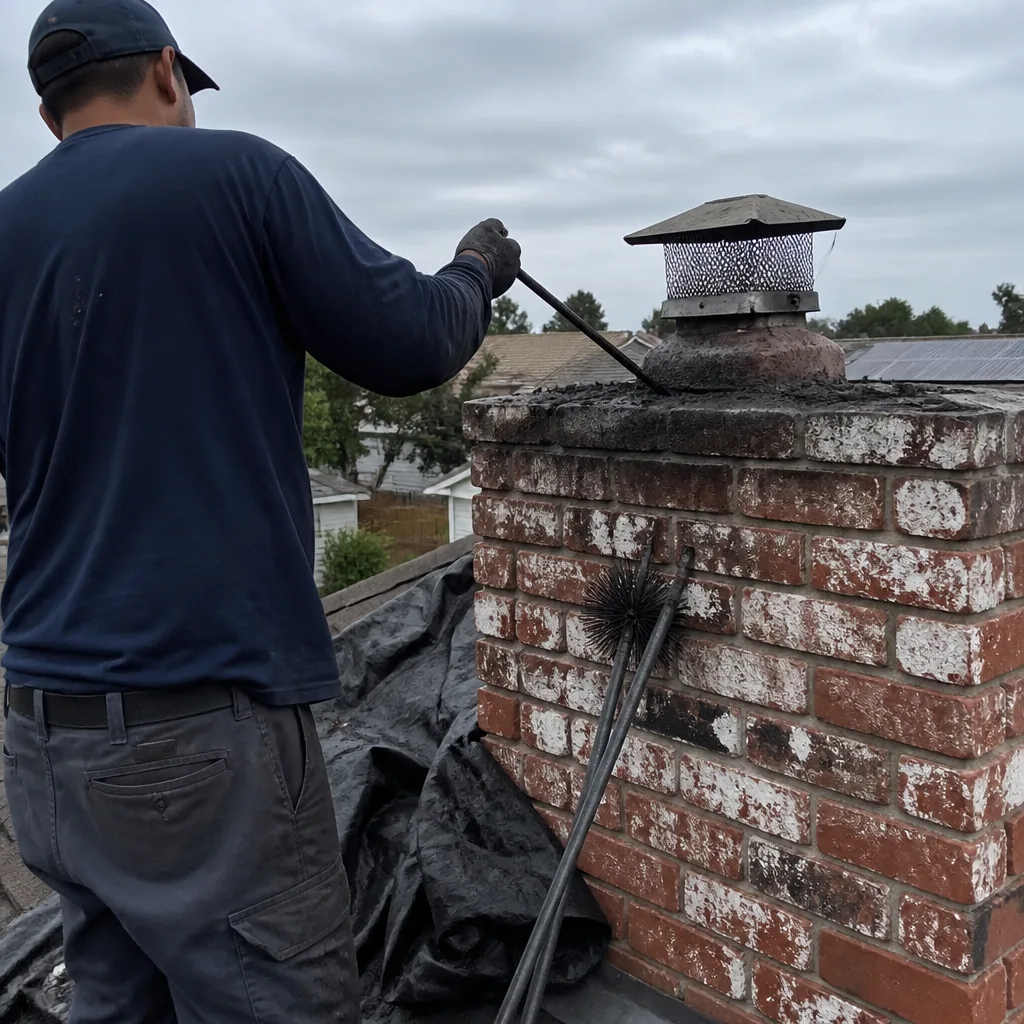 Before
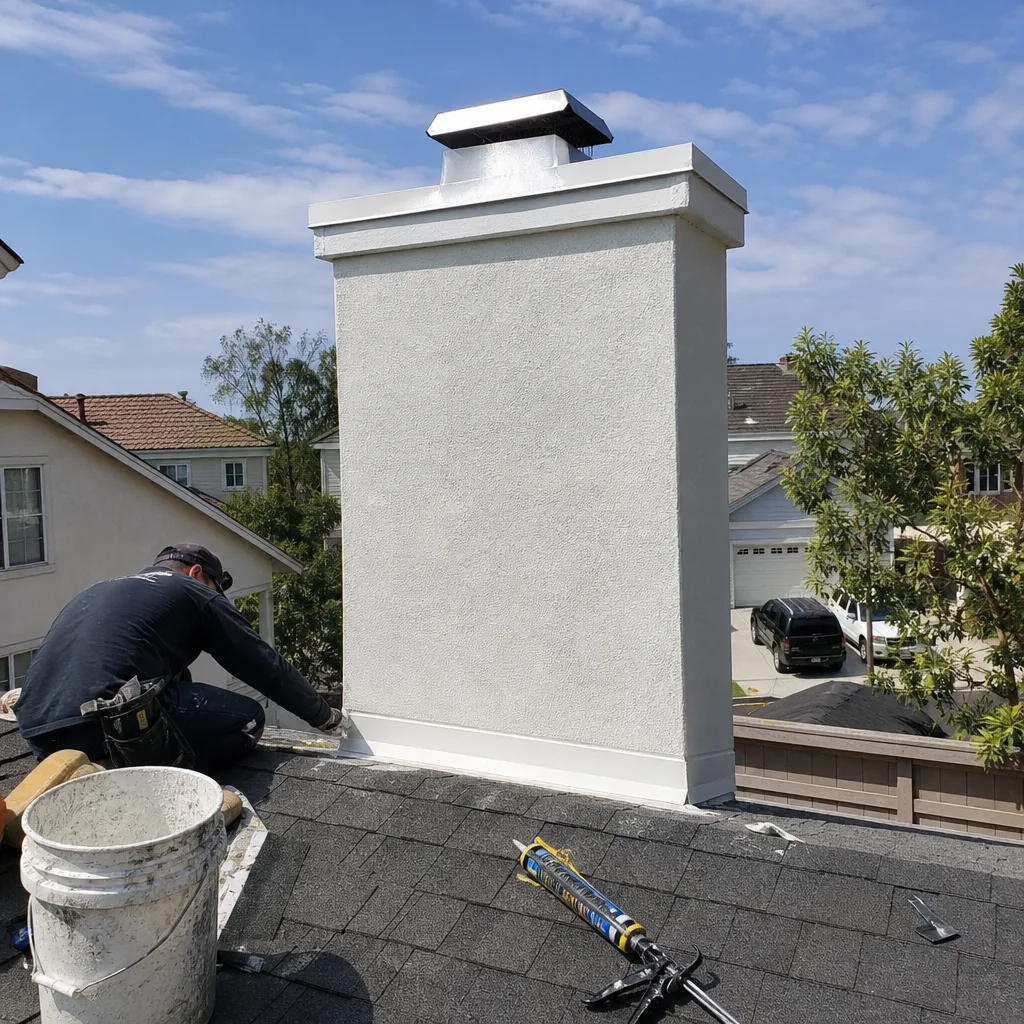 After
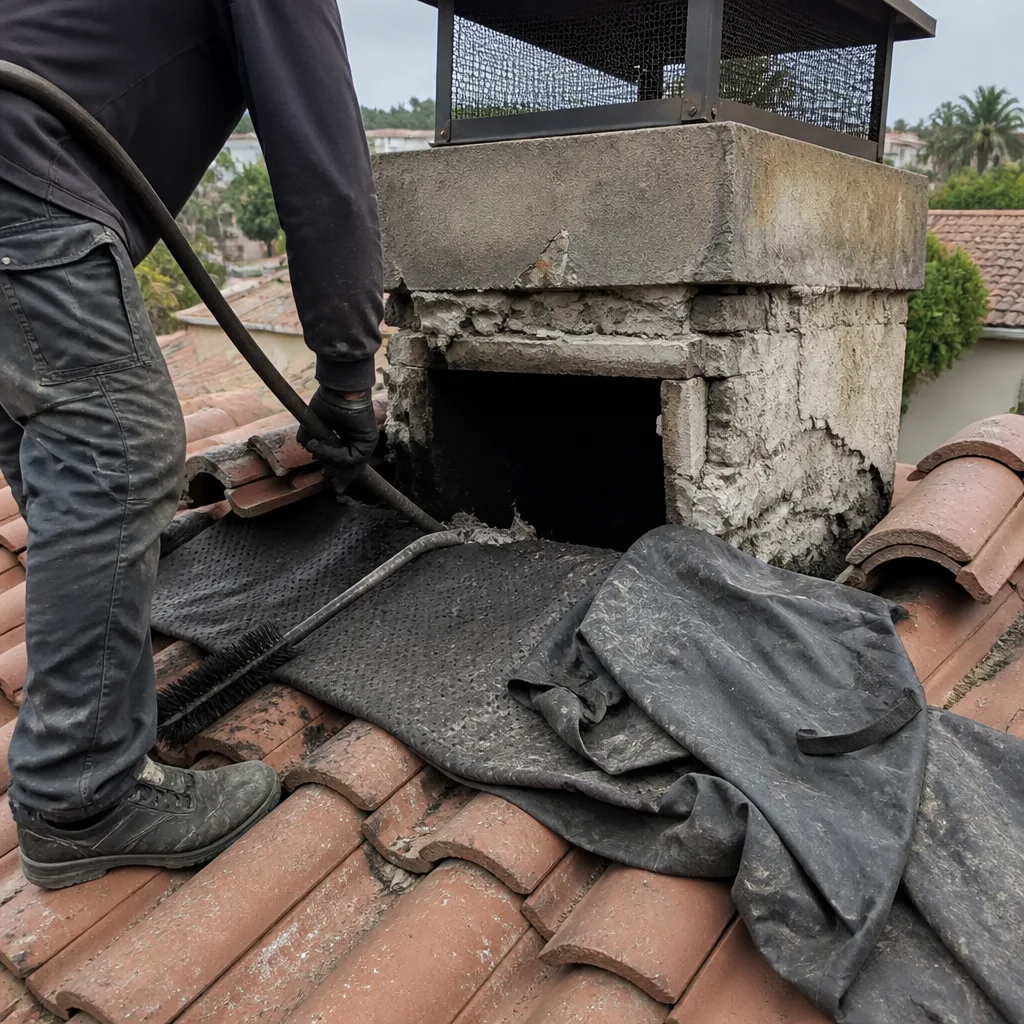 Before
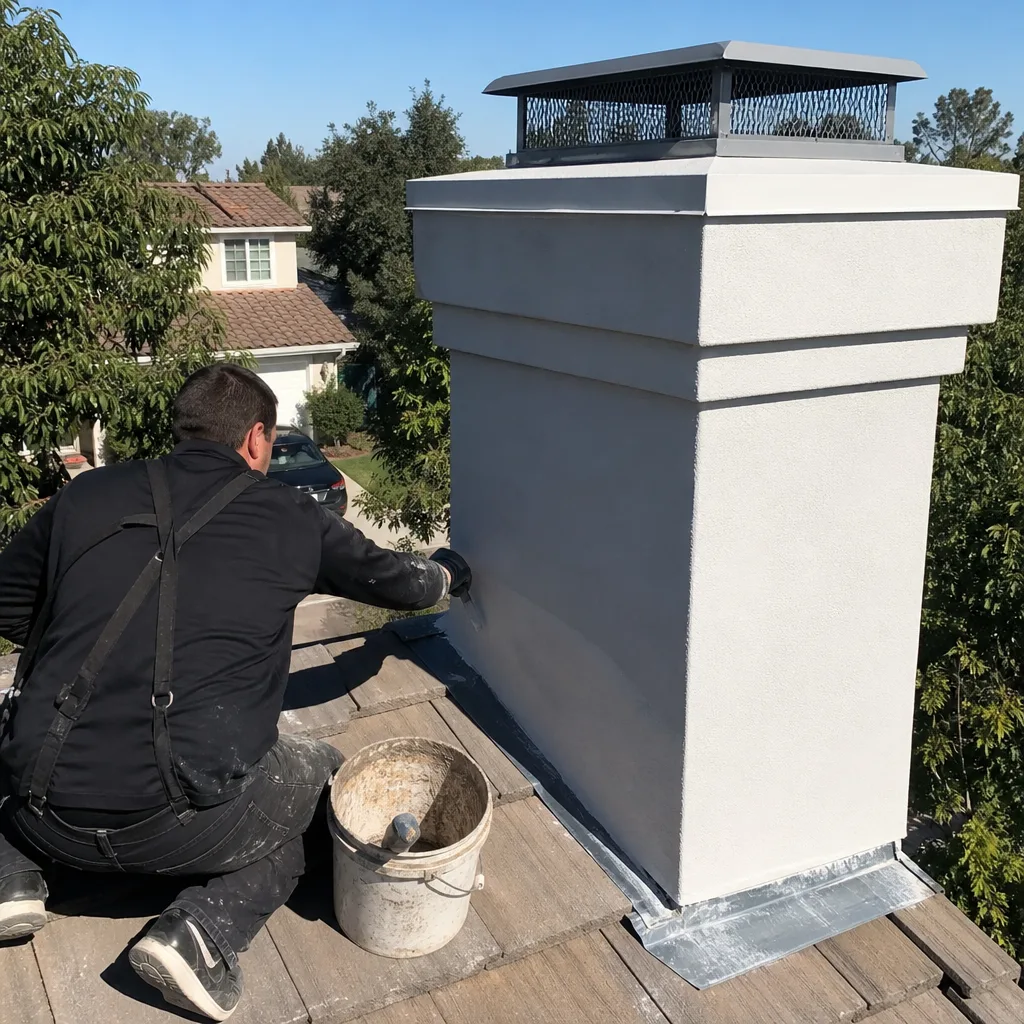 After