
Last updated October 30, 2026
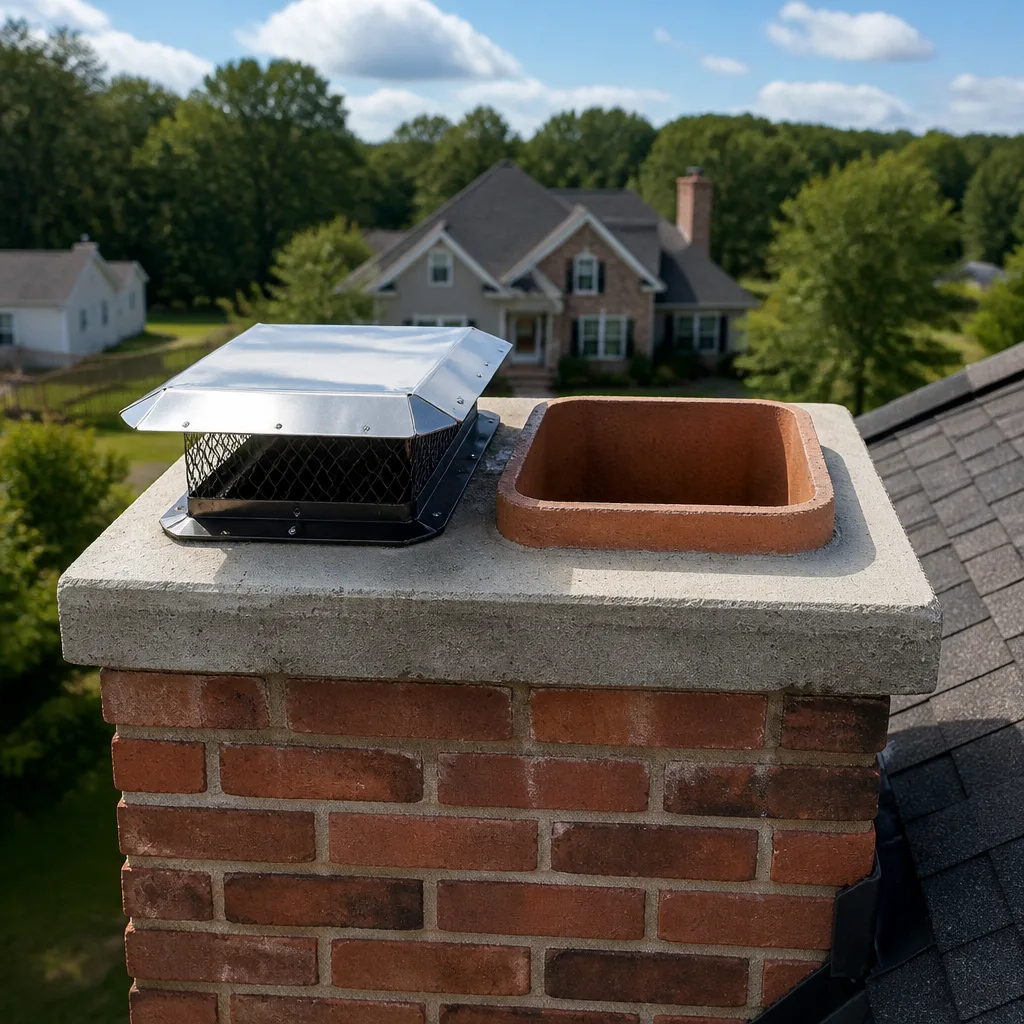 Sweep & inspection
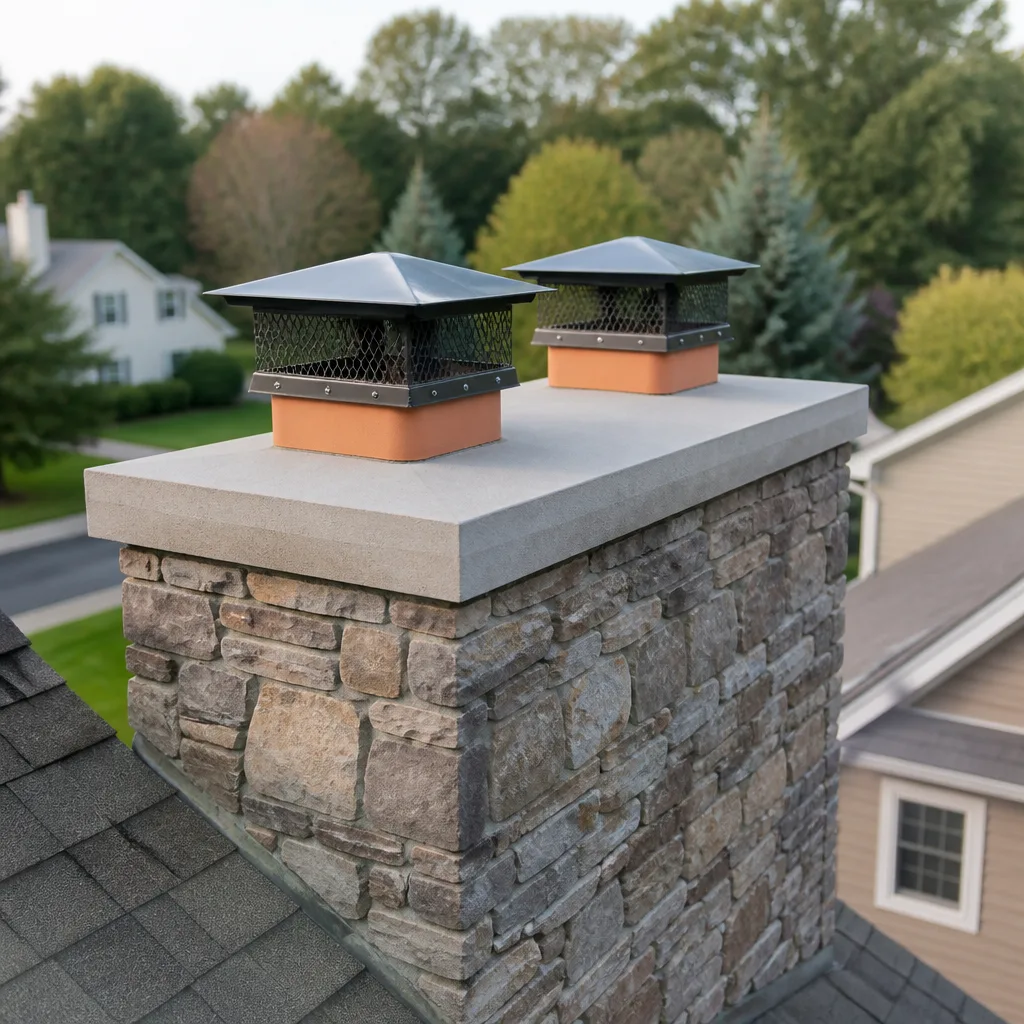 Caps & crowns
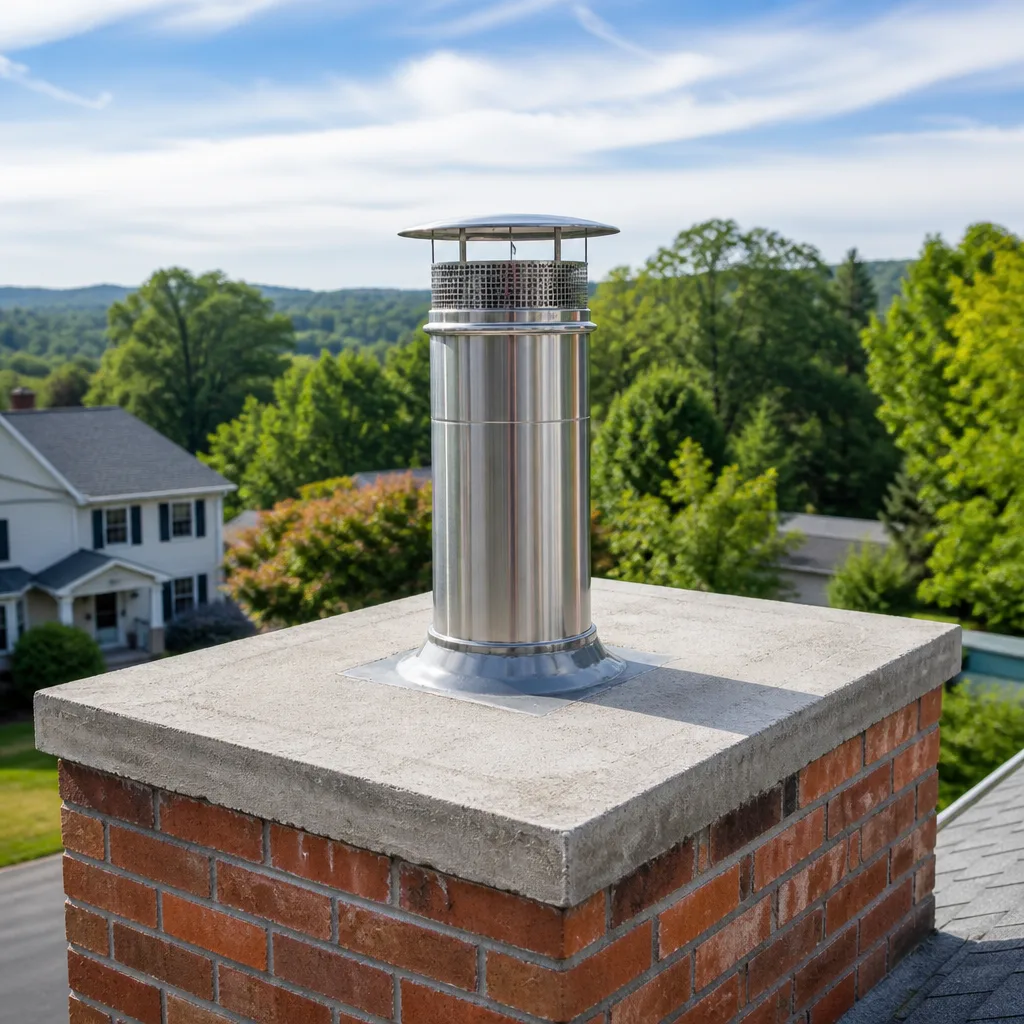 Flue relining
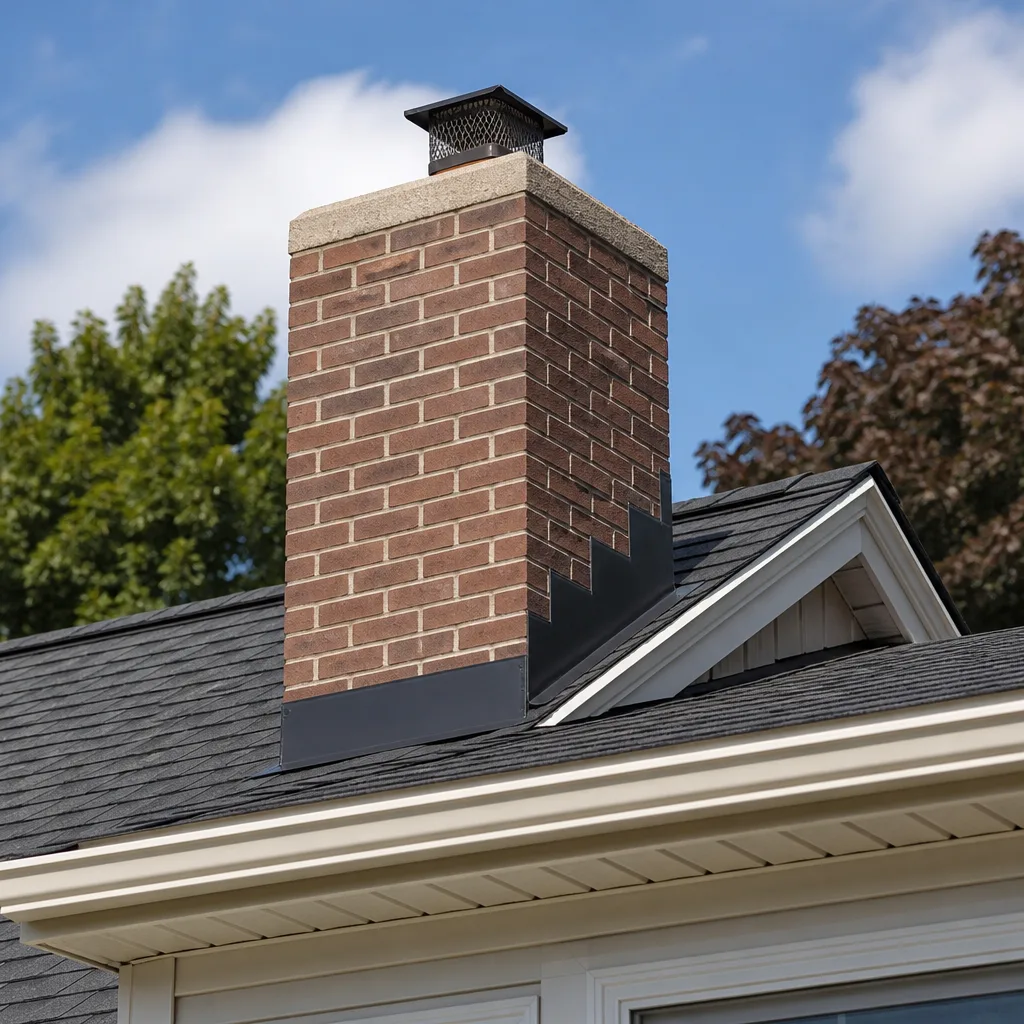 Masonry repair
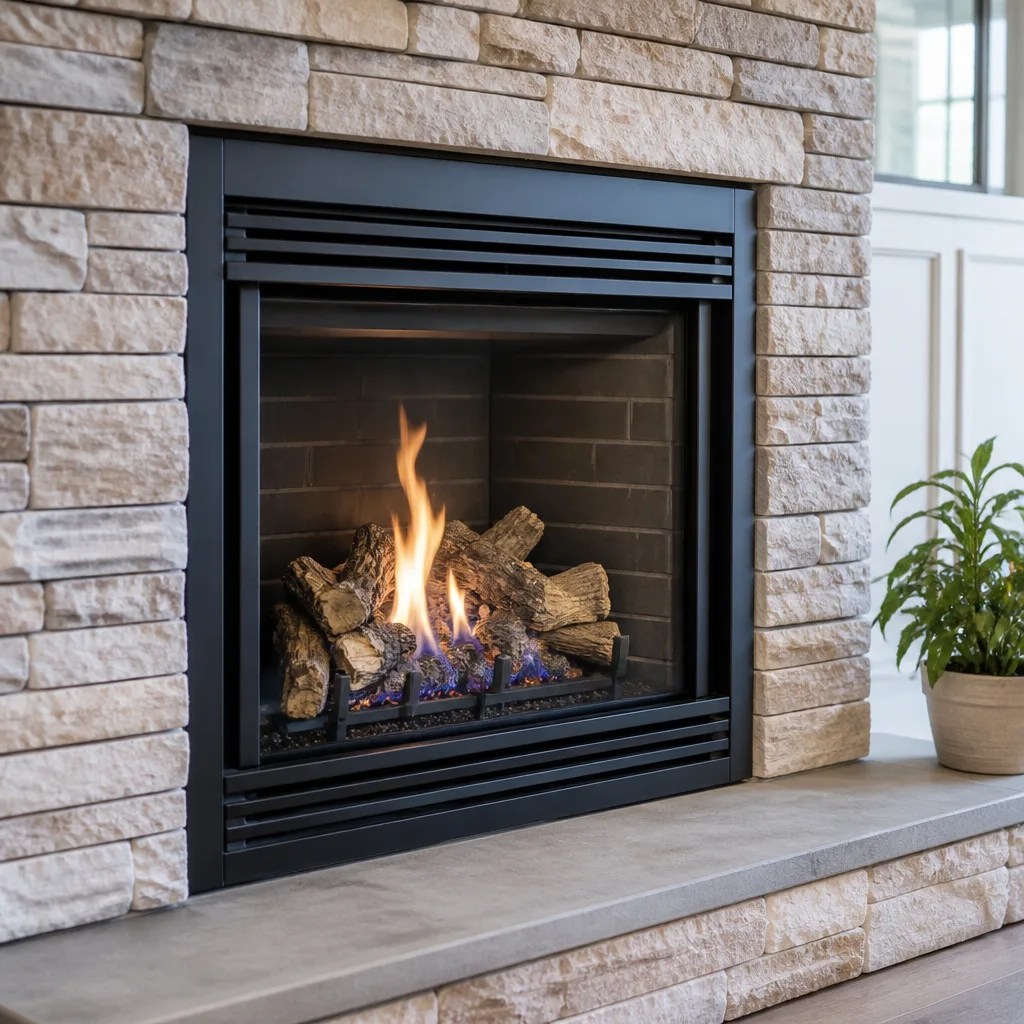 Gas fireplace service
Level 1 sweep and inspection to the NFPA 211 annual standard - flue, crown, cap, and flashing checked and photographed
Chimney sweep logs do not sweep chimneys. They loosen some creosote - which then falls where a brush and vacuum still have to collect it.
DIY vs Professional Chimney Cleaning: The Irvine Homeowner’s Decision Guide
Here’s a counterintuitive fact about Irvine chimneys: the less you use your fireplace, the more dangerous a DIY cleaning can be. Homeowners who burn only ten or fifteen fires per season assume their flues stay relatively clean, so a quick brush-out feels sufficient. What they miss is that infrequent, low-temperature burns produce the most dangerous creosote type – and that’s exactly the kind of chimney use pattern we see across Irvine neighborhoods like Woodbridge, Northwood, and Turtle Rock. This guide draws a clear line between what a careful Irvine homeowner can safely do themselves and what genuinely needs professional equipment, training, and eyes. By the end, you’ll know exactly where that line sits for your fireplace and your burning habits.
Styles & brands we work with
Quick Answer
DIY chimney cleaning is reasonable for removing loose Stage 1 creosote in a frequently used, straight-flue fireplace – but it cannot assess glazed Stage 2 or Stage 3 creosote, evaluate smoke chamber integrity, or identify hairline flue tile cracks. For most Irvine homeowners, the smart approach is DIY inspection and light maintenance between professional sweeps every one to three years, depending on burn frequency; see our Seasonal Chimney Cleaning Care for Irvine: Year-Round Homeowner’s Guide for a maintenance calendar.
Table of Contents
- What DIY Chimney Cleaning Can Genuinely Accomplish
- What DIY Cleaning Structurally Cannot Do
- Why Irvine’s Low-Use Burn Profile Changes the Risk Math
- Equipment Reality Check: Professional Setup vs. Homeowner Kit
- The Insurance and Liability Dimension
- The Irvine Homeowner’s Decision Matrix
- Common Mistakes to Avoid
- When to Call a Professional
- Frequently Asked Questions
- The Bottom Line
What DIY Chimney Cleaning Can Genuinely Accomplish
Let’s be honest about capability: a mechanically inclined homeowner with a chimney brush kit can remove loose soot and light creosote from a flue. It’s not wizardry. The physics are simple – a wire or poly brush on a flexible rod, pushed up and down through the flue, dislodges the fluffy black stuff. If your fireplace gets regular hot fires with seasoned wood and you’re burning twenty-plus times per season, that loose soot is probably all that’s there. A homeowner kit from a hardware store runs $40 to $80 and includes a brush, rods, and sometimes a drop cloth. For that specific scenario – straight flue, frequent hot burns, no visible glaze – a DIY sweep is a reasonable maintenance task, similar in skill level to cleaning gutters.
Beyond brushing, there are three DIY inspection tasks every Irvine homeowner should feel comfortable doing, regardless of when the last professional sweep happened:
- The damper check: Open and close your damper fully before each burn season. Look for rust, warping, or resistance in the mechanism. A damper that won’t seat properly lets conditioned air escape year-round – something we see constantly in Irvine homes where fireplaces sit unused nine months out of twelve.
- The firebox visual: Shine a flashlight into the firebox and look at the refractory panels (the angled side and back walls). Cracks wider than a nickel, missing chunks, or panels pulling away from the firebox walls signal a repair need before your next fire.
- The exterior cap inspection: From the ground with binoculars or from a safe ladder position, check that your chimney cap is present, not rusted through, and that the mesh screen isn’t clogged with debris. In Irvine’s dry climate, bird nesting in uncapped flues is less common than in coastal areas, but it still happens – and a missing cap is an open invitation.
These three checks take fifteen minutes and cost nothing. Do them every fall. They catch the obvious problems.
What DIY Cleaning Structurally Cannot Do
The DIY conversation changes the moment creosote hardens into what the industry calls Stage 2. Stage 2 creosote is a tar-like glaze that bonds to flue walls. It looks like black glass. A brush – even a stiff wire brush on a drill attachment – skids across it without removing meaningful material. Removing Stage 2 requires chemical treatment (like a liquid creosote remover applied and allowed to work over multiple burns) or professional mechanical removal with rotary chains on a drill system. Stage 3 creosote is worse: a hardened, candied buildup that can only be removed with rotary chains and sometimes chemical softening first.
Here’s the critical gap: a homeowner standing at the bottom of a firebox cannot tell the difference between Stage 1 and Stage 2 creosote. Both look dark. Both look like “soot” to an untrained eye. The difference requires a close look with proper lighting – ideally a video scan – to see whether the surface is powdery or glazed. If you brush a Stage 2 flue and call it clean, you’ve made things worse: you’ve scraped the surface but left the glaze, creating microscopic ridges that actually increase the surface area for future creosote accumulation. We’ve seen this exact scenario in Irvine homes where a homeowner brushed for three seasons straight, then called us after a small chimney fire – the video scan showed Stage 3 creosote lurking under what looked like a reasonably clean flue from below.
Beyond creosote assessment, there are structural inspections that physically cannot be done from the firebox:
- Smoke chamber evaluation: The smoke chamber is the angled transitional space above the firebox and below the flue. It’s the most common place for gaps, missing mortar, and hidden creosote in masonry fireplaces. You cannot see it from below. You cannot brush it effectively from below. Evaluating it requires access from the top with a video scan or a direct view with proper lighting.
- Hairline flue tile cracks: Flue tiles crack from thermal stress, and the cracks start as hairlines – invisible from the bottom of the chimney, often invisible even from the top without a video camera pressed against the tile surface. A cracked flue tile is a chimney fire risk because it exposes combustible framing to flue gases. The only way to find these cracks is a video scan.
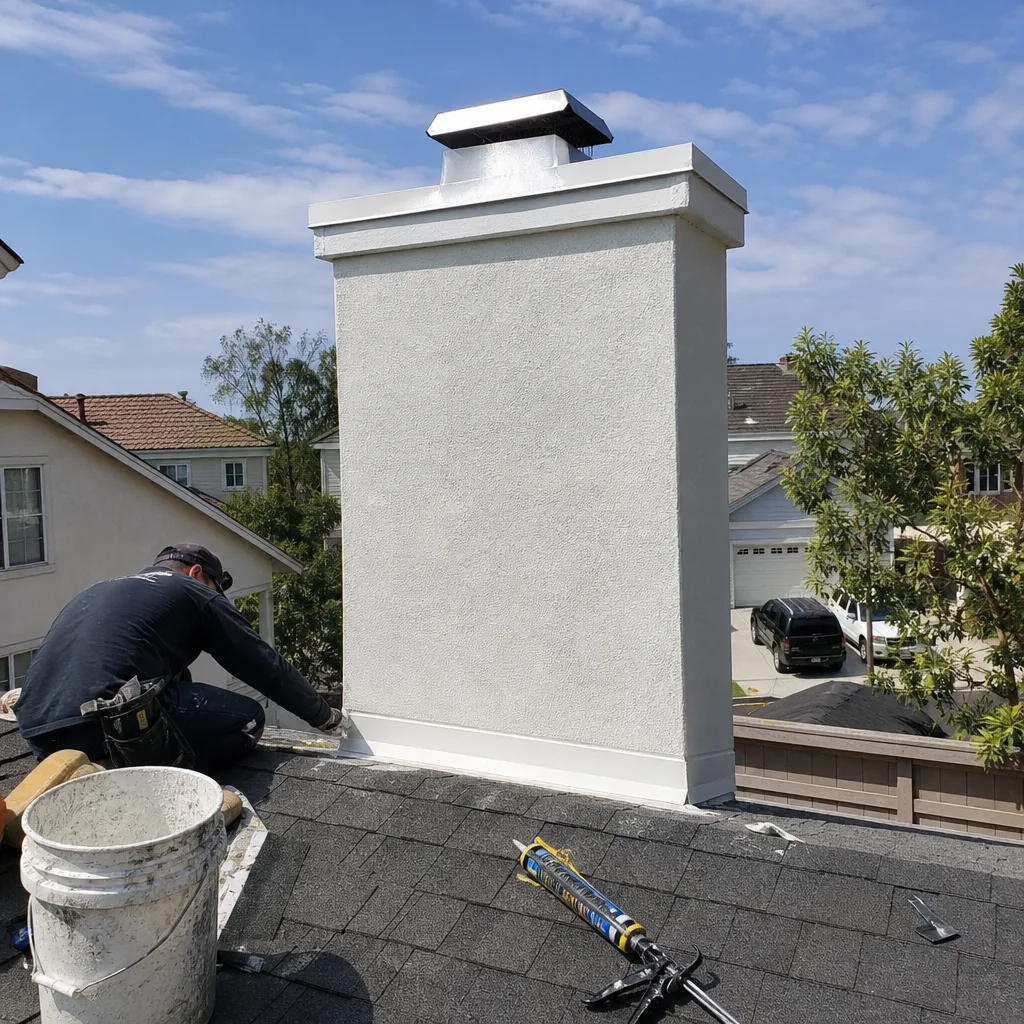
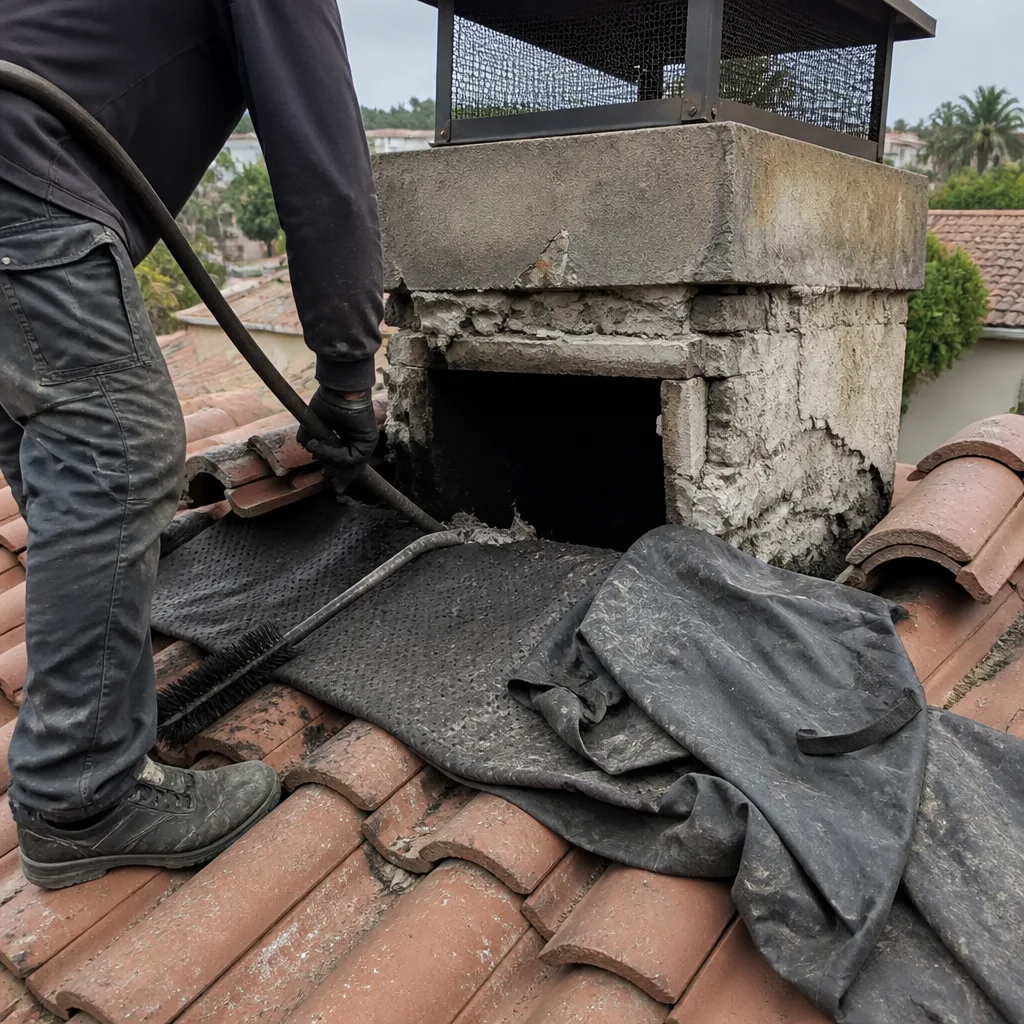
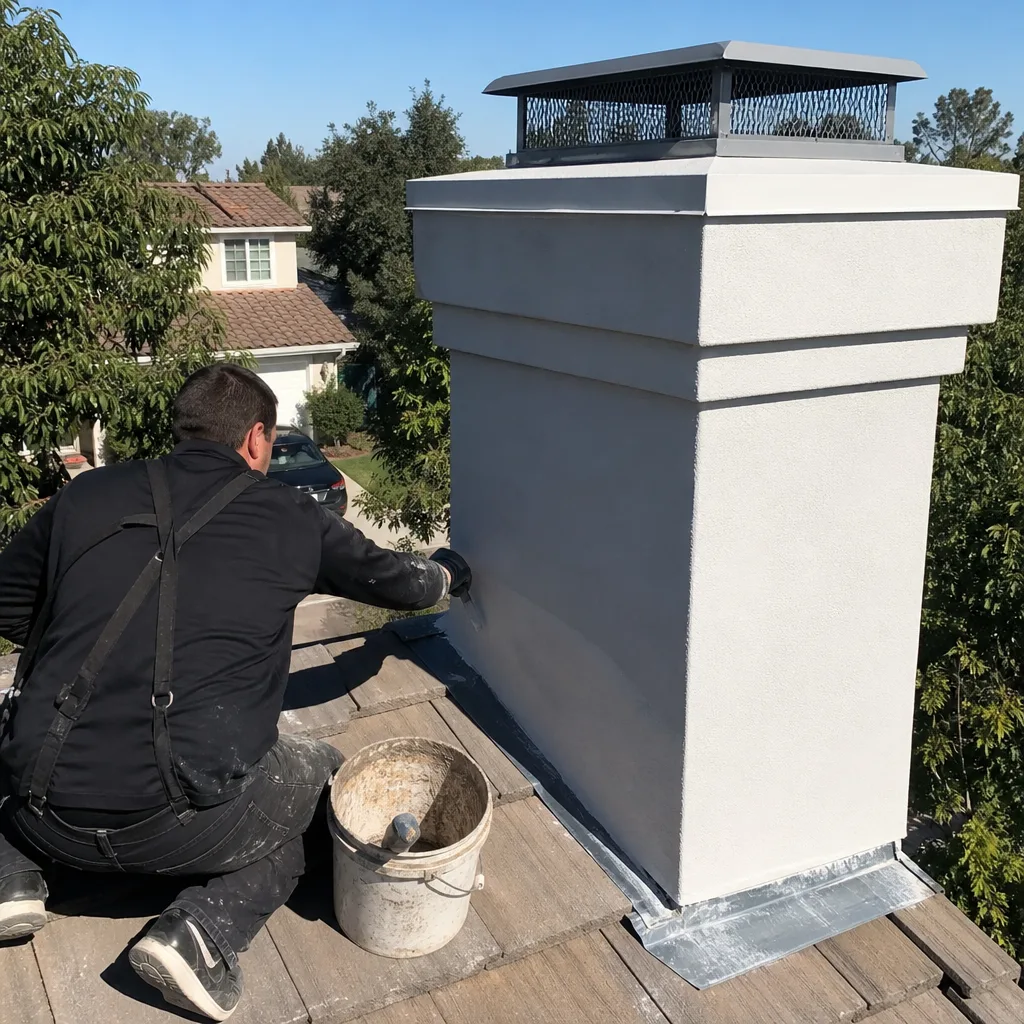
- Flashing and crown condition: The roof-level components – flashing where the chimney meets the roofline and the concrete crown at the very top – deteriorate over time. Irvine’s intense summer sun degrades concrete crowns faster than most climates; the expansion and contraction from 100-degree days to 40-degree nights takes a toll. Checking these means getting on the roof, which is a safety decision on its own.
None of this is about gatekeeping. It’s about the difference between cleaning and inspecting. A brush kit cleans. It does not inspect.
Why Irvine’s Low-Use Burn Profile Changes the Risk Math
Irvine homeowners burn differently than homeowners in cold-weather markets. Our climate means the fireplace is a December-through-February feature, not a November-through-April heating source. Most Irvine chimneys see ten to thirty fires per season. That low-use profile creates a specific set of conditions that most generic chimney advice – written for Minnesota or Vermont – doesn’t address.
Here’s the counterintuitive part: infrequent fires are actually more dangerous for creosote formation than frequent ones. When you burn a fire, the flue heats up slowly. The first thirty to forty minutes of every burn are the dirtiest – the fire is smoldering, the flue is cool, and moisture in the wood is condensing on the flue walls carrying creosote with it. In a frequently used chimney, the flue walls stay warm between fires and the creosote that forms is drier, fluffier, more brushable. In a low-use chimney like most in Irvine, each fire starts from a stone-cold flue. The creosote deposited is denser, stickier, and forms glaze more quickly relative to the number of burns. A chimney with fifteen fires per season can accumulate more dangerous creosote per fire than a chimney with sixty fires per season.
This is why the “I barely use my fireplace, so it’s probably fine” logic is exactly backwards. The low-use profile doesn’t mean the chimney is safe – it means the chimney is more likely to have Stage 2 glaze that a homeowner brush can’t touch. Irvine’s specific burn pattern, dominated by occasional evening fires rather than daily heating burns, concentrates the risk in ways that generic advice misses.
There’s also the moisture dimension. Irvine’s winter rains, when they come, hit chimneys that sit damp and cold for weeks at a time. A chimney with a minor crown crack or a slightly rusted cap lets water in during those wet weeks, then bakes in the summer heat. The freeze-thaw cycle that destroys chimneys in cold climates isn’t our problem – but the wet-dry-wet-dry cycle combined with UV exposure absolutely is. Water-damaged flue tiles and deteriorated mortar joints are common findings in Irvine chimney inspections.
Equipment Reality Check: Professional Setup vs. Homeowner Kit
There’s a widespread assumption that professional chimney sweeps just have “a nicer brush.” That’s like saying an auto mechanic just has “a nicer wrench.” The equipment gap is categorical, not incremental. Here’s what a proper professional setup includes versus what a hardware store kit provides:
- HEPA vacuum and containment: Professional sweeps run HEPA-filtered vacuums with enough suction to capture fine particulate before it enters your living space. A homeowner kit typically includes a drop cloth and a Shop-Vac – which blows the finest, most harmful particles right back into the room. This isn’t a preference issue; it’s an air quality issue.
- Rotary cleaning system: For Stage 2 and Stage 3 creosote, professionals use rotary loop systems or chains driven by a heavy-duty drill – these spin at high speed against the flue walls and mechanically break down glaze that no brush can remove. Some setups also allow for chemical application followed by rotary cleaning. This equipment simply has no homeowner equivalent.
- Video scan capability: A professional sweep includes a camera inspection – either a dedicated chimney scan camera or a borescope – that shows you exactly what the flue looks like before and after cleaning. This is the single most important piece of diagnostic equipment because it converts “trust me, it’s clean” into visual proof. At Limestone Chimney Sweep, we show every customer their video scan footage. You see the same thing we see.
- Top-down access and safety gear: Professional sweeps clean from the top of the chimney whenever possible, using roof ladders, fall protection, and chimney-top access equipment. The “brush up from the firebox” method that defines DIY cleaning is less effective and messier – and it puts the homeowner in the awkward position of pushing creosote up a flue with no containment at the top.
There’s a material dimension to this too. We stock professional-grade repair components – Famco caps and dampers, Copperfield chimney products, DuraFlex and HeatShield liner systems. That matters when an inspection turns up a problem. A homeowner who finds a cracked flue tile during a DIY inspection still has to call someone. A professional sweep who finds that same crack has the materials on the truck to quote the repair the same day. The ability to fix what we find – not just report it – is the structural difference between a cleaning service and a chimney services company.
The Insurance and Liability Dimension
Here’s a conversation most DIY chimney cleaning guides skip entirely: what happens with your homeowner’s insurance claim if a chimney fire occurs after a self-performed cleaning?
The short version: it gets complicated. Homeowner’s insurance policies cover chimney fires as a standard peril, but the claims process includes an investigation. If a fire investigator determines that the chimney fire resulted from creosote accumulation that should have been addressed by professional maintenance, the claim can be disputed. The homeowner who cleaned their own chimney has no documentation of what was done, no video evidence of the flue’s condition, and no professional opinion to cite. The claim becomes a “he said, she said” situation with the insurance company holding the stronger hand.
Contrast that with a professional sweep that includes a documented inspection report and video scan. If a chimney fire occurs after a professional cleaning, there’s a paper trail showing the flue’s condition, the creosote level, and the recommendation given. That doesn’t guarantee a claim gets paid, but it puts the homeowner in a defensible position.
There’s also a subtler insurance issue in Irvine specifically. Some Southern California homeowner’s policies include wildfire-related endorsements that impose stricter maintenance requirements on properties in designated fire hazard zones. Parts of Irvine sit in or near the Wildland-Urban Interface (WUI) zones, particularly around the northern edges near Irvine Regional Park and along the eastern foothills. If you live in one of these zones, your policy may have specific language about chimney maintenance. A professional inspection with documentation satisfies that language in a way that a DIY cleaning, no matter how thorough, cannot.
The practical takeaway isn’t “never clean your own chimney.” It’s “if you DIY, understand that you’re taking on both the physical task and the documentation burden.” For a homeowner who wants a defendable maintenance record, the professional route is the smarter play. Your Limestone Chimney Sweep home page goes into more detail on what a documented inspection includes.
The Irvine Homeowner’s Decision Matrix
Here’s a quick reference: which maintenance approach makes sense for which chimney. This applies specifically to wood-burning fireplaces in Irvine. Gas fireplaces are a separate category (more on that below).
DIY maintenance is reasonable when all of the following are true:
- Your fireplace burns seasoned hardwood exclusively (no softwood, no construction scraps, no treated lumber, no wrapping paper).
- You burn fifteen or more fires per season, so the creosote stays dry and brushable.
- Your flue is a straight vertical run with no significant offsets.
- You can see a bright, metallic sweep of the flue walls with a powerful flashlight – powdery black dust, not shiny glaze.
- You had a professional inspection within the last two years and it reported Stage 1 creosote or lower.
- You’re comfortable with the physical work and understand the containment limitations.
Call a professional regardless of budget when any of these apply:
- You see shiny, glazed, tar-like creosote on the flue walls (Stage 2 or 3 – chemical or rotary removal required).
- Your fireplace has a history of smoky operation, even if it “mostly works.”
- You’ve lived in the home more than three years and never had a professional inspection.
- You smell a campfire-like odor in the house during humid weather or summer heat – that’s creosote off-gassing and it signals significant buildup.
- You have a prefabricated (factory-built) fireplace rather than a masonry chimney. Prefabs have specific liner requirements and are much less forgiving of DIY brushing.
- You noticed water stains on the ceiling near the chimney or inside the firebox.
- You’ve had a chimney fire, even a small one that self-extinguished. The flue needs a video scan, period.
For Irvine homeowners who haven’t had an inspection in a while, our strongest recommendation is this: get one professional inspection with video scan, then decide what you can maintain yourself going forward. That inspection gives you a baseline. You’ll know your creosote level, your flue type, and your structural condition. From there, you can make an informed DIY-or-professional decision that’s based on your actual chimney, not generic advice. This is the same principle we apply to Chimney Sweep in Villa Park – starting from a known condition changes everything.
Common Mistakes to Avoid
- Brushing a Stage 2 flue and calling it clean. This is the most dangerous DIY mistake because it creates a false sense of security while leaving the most fire-hazardous creosote type intact. If the flue walls look glassy, a brush is the wrong tool entirely.
- Using chemical creosote logs as a substitute for cleaning. These can convert some creosote to a more brushable form, but they can’t remove the volume of buildup. In Irvine’s low-use chimneys, we’ve seen them create a flaky residue that loosens and falls into the smoke chamber, creating a different obstruction.
- Cleaning from the bottom without top containment. When you brush from the firebox, creosote falls onto the smoke shelf and into the firebox. That’s manageable. But without a proper top-down setup, you’re also pushing debris up and out the top with no containment – and on a windy Irvine day, that soot lands on your roof, your patio furniture, and your neighbor’s car.
- Skipping the damper inspection. A damper that rusts open or won’t close properly costs Irvine homeowners money year-round in conditioned air loss. It’s a three-minute check. Do it before every burn season and after any heavy rain event.
- Assuming gas fireplaces don’t need service. Gas logs and gas inserts don’t produce creosote, but they can have venting issues – blocked flues, clogged burner ports, failing thermocouples. A gas fireplace that hasn’t been serviced in five years can produce incomplete combustion and carbon monoxide. The Chimney Repair in Villa Park page covers the repair side of what a service visit can uncover.
- Ignoring the smell test. If your fireplace smells like a campfire in August when the AC is running, that’s not nostalgia. It’s creosote off-gassing in the heat and it means enough buildup exists to produce that smell. That’s your chimney telling you something.
- DIYing a prefab fireplace with masonry advice. Prefabricated fireplaces have different liner materials and different tolerances. A wire brush that’s fine for a masonry flue can damage a prefab liner. If you don’t know which type you have, find out before touching anything.
When to Call a Professional
Call a chimney professional when you see glazed creosote, when it’s been more than three years since the last inspection, when you have a prefab fireplace, when you smell creosote in warm weather, when water is getting in, or when you’ve had any type of chimney fire; our How to Hire a Chimney Cleaning Contractor in Irvine: A Step-by-Step Guide walks you through vetting your options. Also call if you simply don’t want to deal with the mess, the roof work, or the uncertainty of whether your flue is actually clean. We use video scan on every inspection so you can see exactly what we see. Limestone Chimney Sweep offers free estimates in Irvine – call (855) 341-5439 and we’ll assess your chimney’s condition and give you an honest recommendation, including whether a DIY maintenance routine makes sense for your specific fireplace.
Frequently Asked Questions
A standard chimney sweep and inspection in Irvine typically runs $180 to $300 for a masonry fireplace, with prefab units falling in a similar range depending on access and condition; for full pricing context, see our Chimney Cleaning Cost Breakdown: The Irvine Homeowner’s Reference for 2026. The exact price depends on flue height, creosote level, and whether a video scan is included (we include one on every visit). Call (855) 341-5439 for a free estimate and we’ll give you a firm quote before any work begins.
For Irvine’s typical burn pattern of ten to thirty fires per season, a professional inspection every two years is adequate for most masonry fireplaces, with a sweep performed when creosote reaches 1/8 inch or greater. The inspection cadence matters more than the sweeping cadence. If your burns are infrequent but you use softwood or construction scraps, shorten that interval to every year.
Chemical creosote removers can help convert some glaze to a more brushable form, but they are a supplement to mechanical cleaning, not a replacement. In our experience with Irvine chimneys, they work best as a maintenance aid between professional sweeps, not as a primary cleaning method.
A sweep removes creosote and soot. An inspection evaluates the structural and functional condition of the chimney – flue tiles, smoke chamber, damper, crown, flashing, cap. We perform both together on every visit because cleaning a chimney without inspecting it is like changing your oil without looking at anything else under the hood.
For a straight-flue masonry chimney with loose, powdery Stage 1 creosote, DIY brushing is a physically safe task if you mind the dust and understand the containment limits. The safety risk is not in the brushing itself – it’s in the false confidence that follows if the flue actually has Stage 2 or Stage 3 creosote that the brush cannot touch. That’s the gap that matters.
Most home inspectors flag chimneys as “recommend further evaluation” on their reports because they lack the specialized tools for a full flue inspection. A professional chimney inspection with video scan gives you a documented condition report that either clears the chimney for the sale or gives you a repair baseline for negotiation. For buyers, it’s the difference between inheriting a clean chimney and inheriting a creosote problem.
The Bottom Line
The DIY vs professional chimney cleaning decision isn’t about whether you can brush a flue. It’s about whether you can see what’s in there. In Irvine’s low-use, low-temperature burn profile, the creosote that forms is disproportionately the glazed type that brushes can’t remove and eyes can’t see from below. A grounded approach looks like this: get one professional inspection with video scan on record, perform simple DIY maintenance (damper check, firebox visual, cap check) between visits, and call in a professional when the flue walls show glaze, when it’s been more than a couple of years since the last inspection, or when something – an odor, a smoking issue, a water stain – tells you something changed. For more guides & resources on keeping your chimney safe, explore our blog. Your chimney’s job is to contain a controlled fire inside your house. That’s worth knowing, not guessing, about.
Written by the team at Limestone Chimney Sweep, serving Irvine since 2014.
See the difference
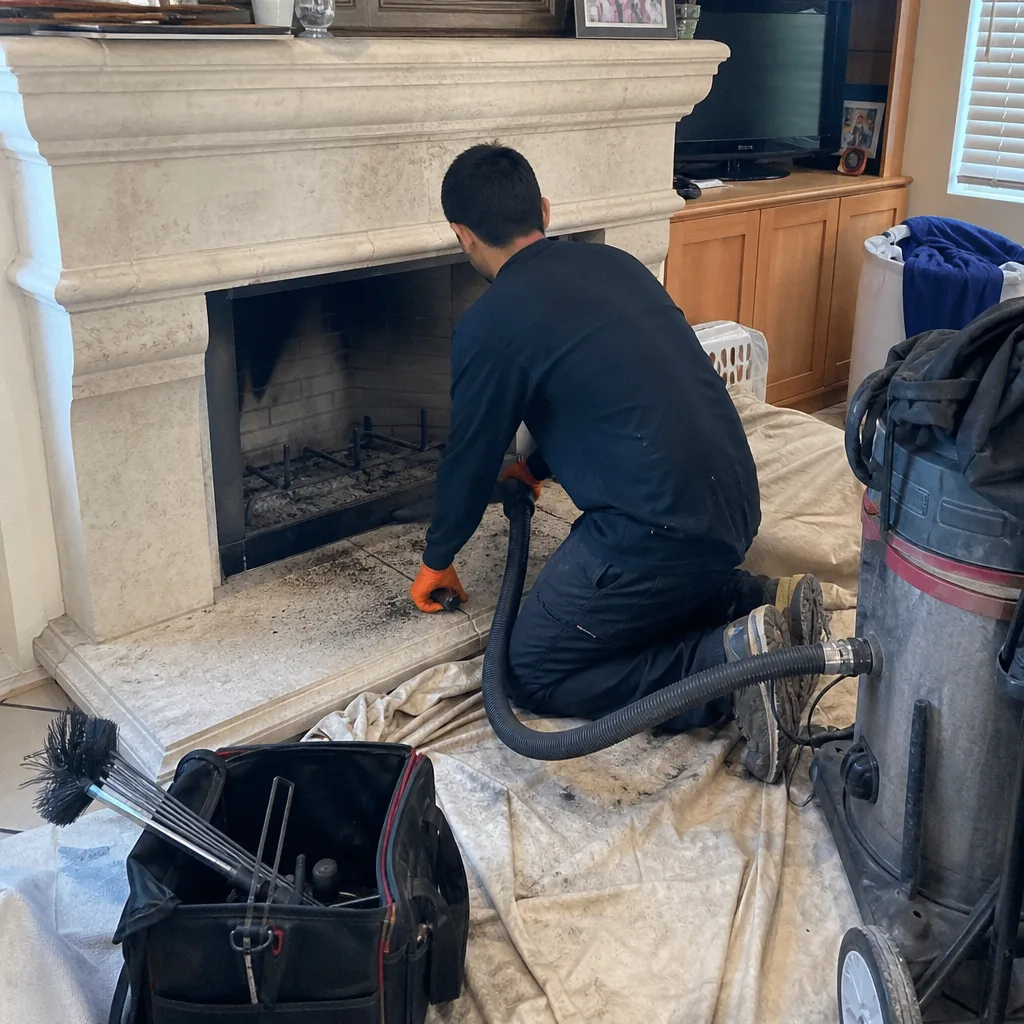 Before
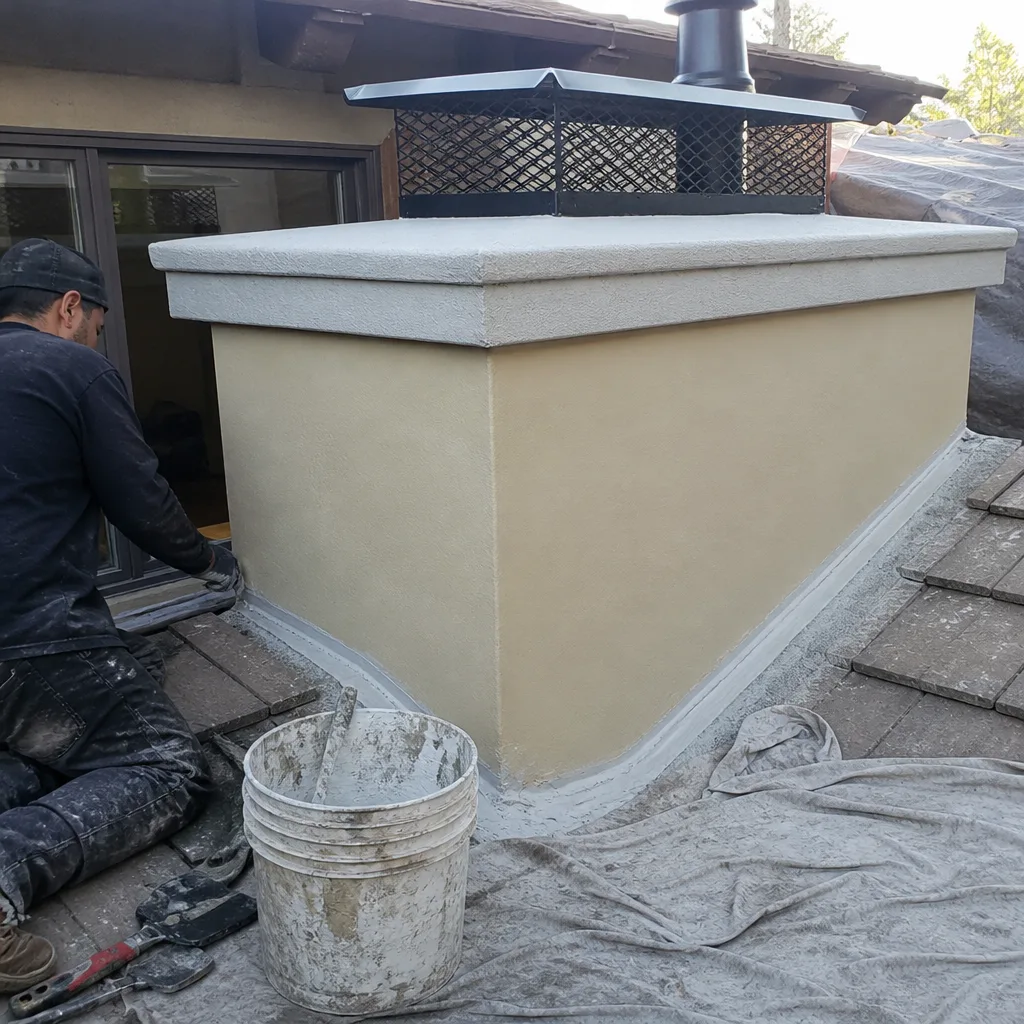 After
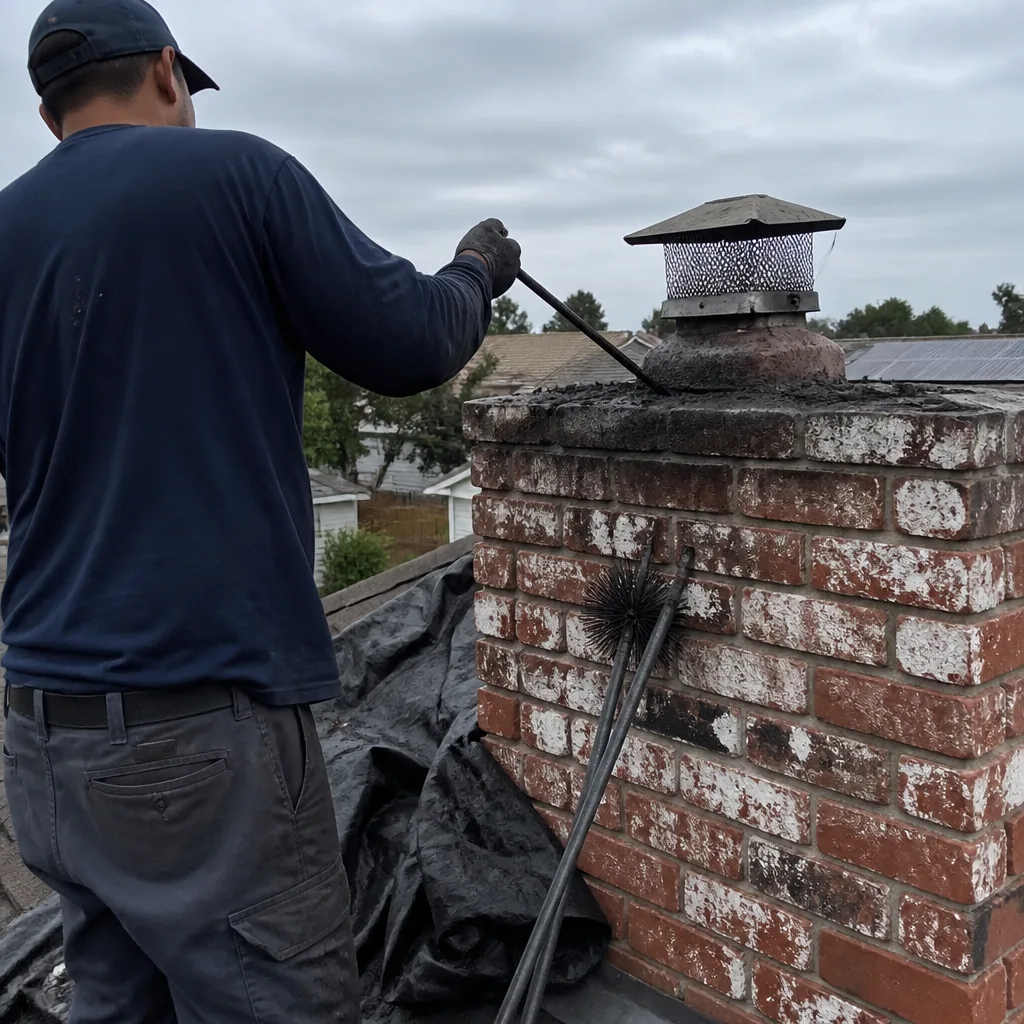 Before
 After
 Before
 After