
Last updated October 30, 2026
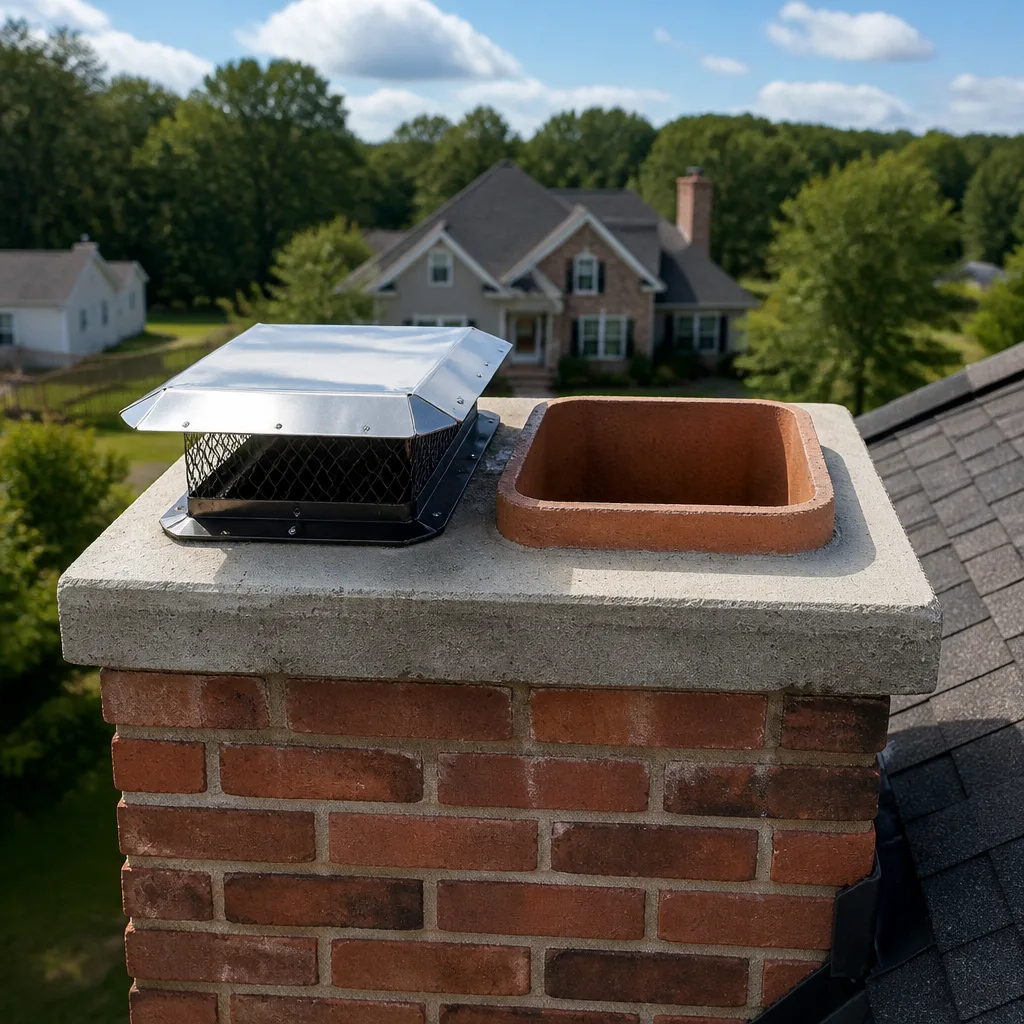 Sweep & inspection
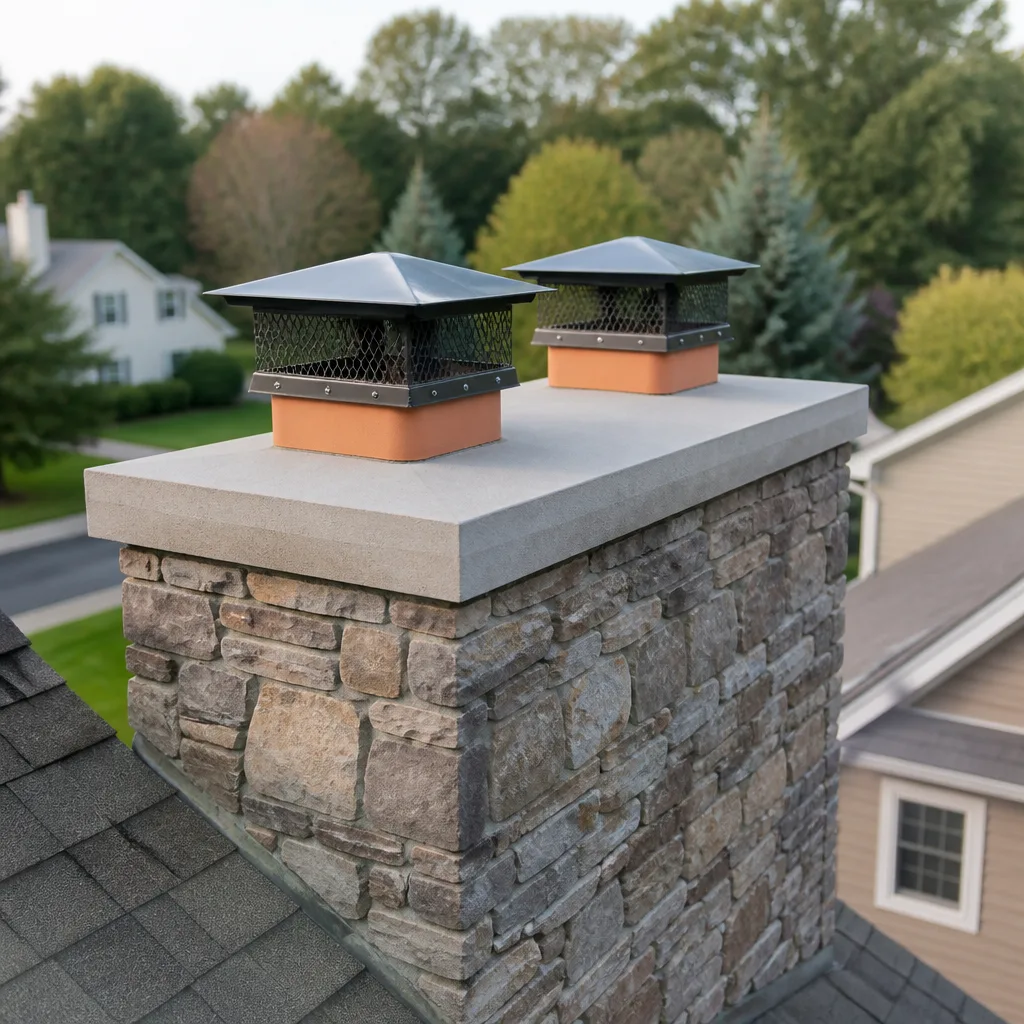 Caps & crowns
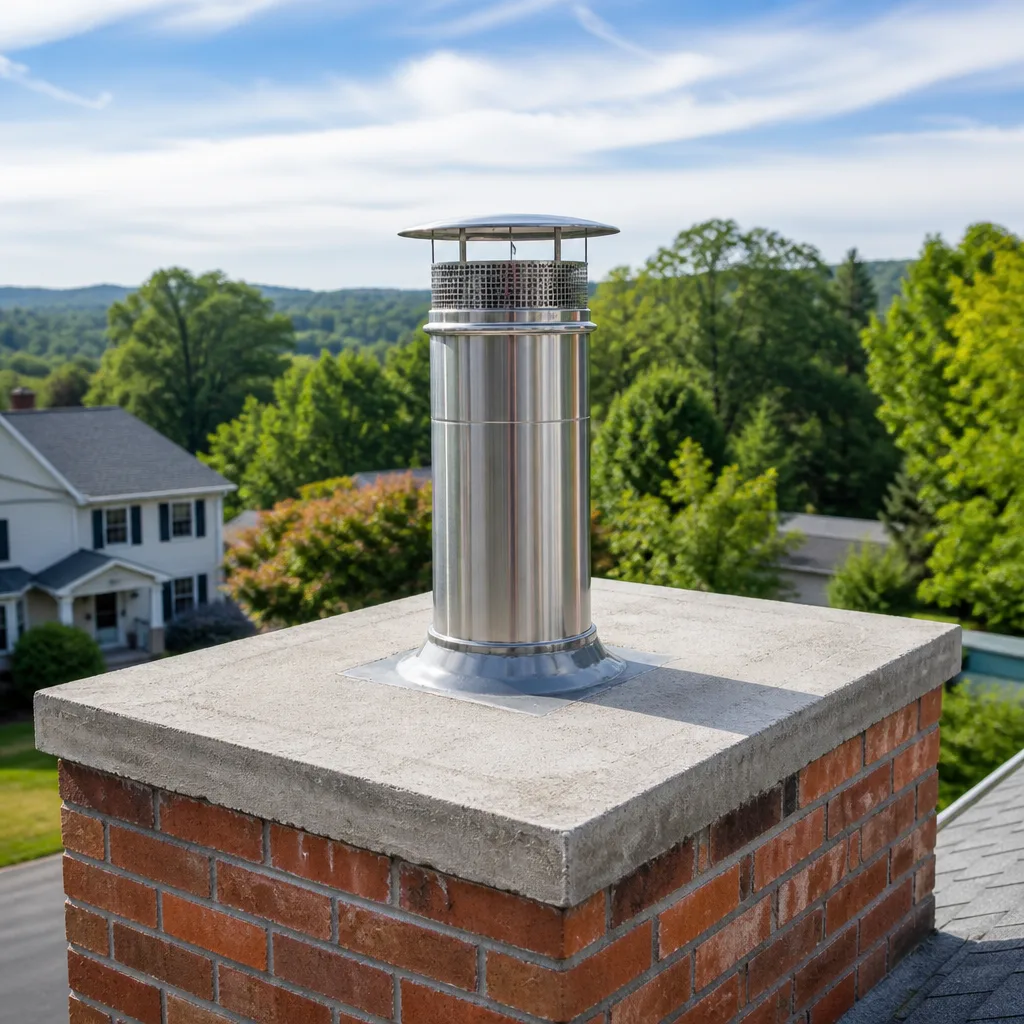 Flue relining
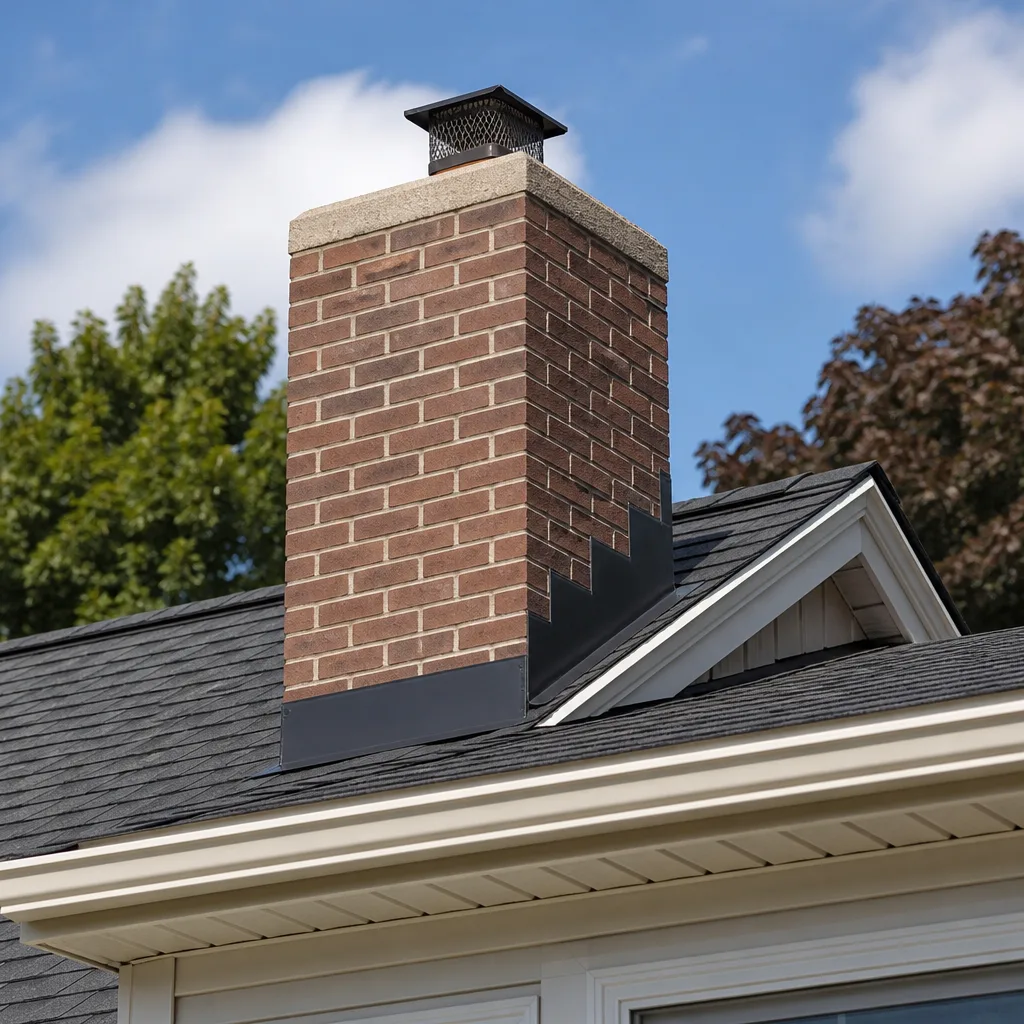 Masonry repair
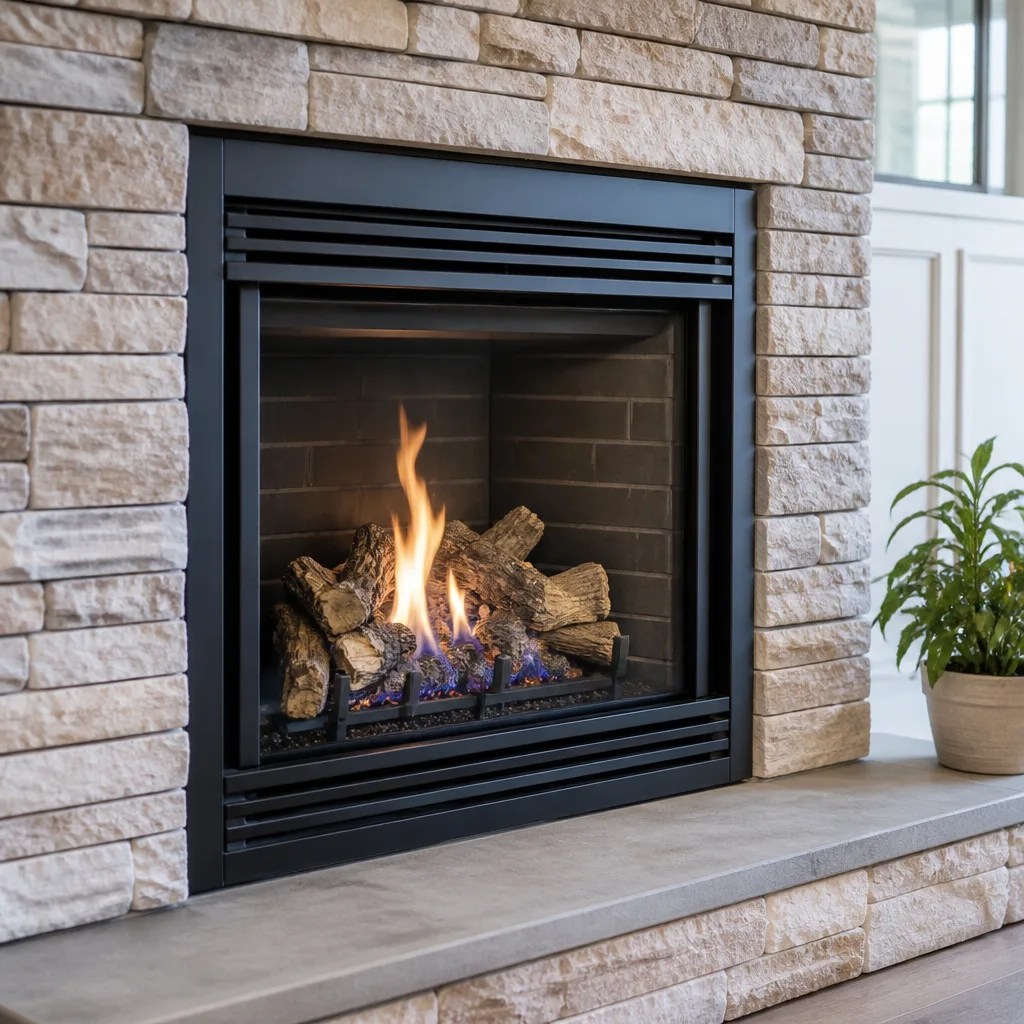 Gas fireplace service
Level 1 sweep and inspection to the NFPA 211 annual standard - flue, crown, cap, and flashing checked and photographed
Chimney sweep logs do not sweep chimneys. They loosen some creosote - which then falls where a brush and vacuum still have to collect it.
The Complete Chimney Sweep Guide for Irvine Homeowners
A chimney used only three times last winter still needs inspection, because the nine months it sat idle likely did more damage than the three fires you lit. Irvine’s climate, with its long dry stretches broken by sudden wet winters, attacks chimneys in ways that have nothing to do with how often you burn wood. This guide explains what actually happens inside a low-use Irvine chimney, what a proper inspection should cover, what repairs look like, and how to build a maintenance schedule that matches how you actually live in your home. For hands-on help, see our Chimney Sweep services.
Styles & brands we work with
Quick Answer
A chimney sweep in Irvine typically costs between $180 and $320 for a standard cleaning and Level 1 inspection, and most Irvine homes benefit from a sweep every one to two years, even with light fireplace use. The bigger variable is repair work: Irvine’s dry-then-wet seasonal cycle causes masonry spalling, flashing failures, and animal intrusion that a sweep alone won’t fix. A full-service chimney company that can inspect, clean, and repair is the most practical choice for Irvine homeowners, because the inspection frequently turns up something that needs more than a brush. Weigh your options with DIY vs Professional Chimney Cleaning: The Irvine Homeowner’s Decision Guide.
Table of Contents
- Why Irvine Chimneys Fail When They’re Not Being Used
- What a Chimney Sweep Actually Includes in Irvine
- Level 1 vs. Level 2 Inspections: How to Read the Report
- Common Irvine Chimney Problems We See
- Repair vs. Clean: What a Full-Service Company Does Differently
- A Realistic Maintenance Calendar for Irvine
- Dryer Vents: The Other Fire Hazard in Your Irvine Home
- Choosing a Chimney Company in Irvine
- Common Mistakes to Avoid
- When to Call a Professional
- Frequently Asked Questions
- The Bottom Line
Why Irvine Chimneys Fail When They’re Not Being Used
Most chimney advice online is written for cold-weather markets where fireplaces burn daily from October through March. Irvine doesn’t work that way. The typical Irvine homeowner lights a fire maybe ten to fifteen times per season, mostly on those handful of evenings when the temperature dips below 50 and the house feels cold in a way that central heating doesn’t quite fix. The fireplace is an occasional pleasure, not a primary heat source.
That pattern creates a specific failure profile. A chimney that sits unused for nine months of the year is not a chimney that stays clean. It’s a chimney that becomes a habitat.
The primary driver of chimney deterioration in Irvine isn’t fire frequency. It’s the seasonal cycle. Seven months of dry heat followed by sudden winter rain causes building materials to expand and contract. Mortar joints crack microscopically. Flashing pulls away from the roofline. Brick faces spall, meaning thin layers of brick pop off as trapped moisture heats and expands. Each wet season pushes existing damage a little further, and because the fireplace isn’t in regular use, the homeowner doesn’t notice until something visible happens, like a leak stain on the ceiling or a piece of brick in the flower bed.
Then there’s the biological layer. Irvine’s tree canopy, particularly in older neighborhoods like Northwood, University Park, and Westpark, creates steady leaf, twig, and seed debris. Chimney caps get clogged, or go missing entirely. Birds nest in the flue. Squirrels and roof rats, common in Irvine’s wildlife-corridor-adjacent areas, find uncapped chimneys an ideal entry point. We’ve pulled nesting material out of flues that hadn’t seen a fire in two years, material dry enough that one spark would have turned the chimney into a torch.
The lesson is counterintuitive: low-use chimneys need attention not despite the lack of fires, but because of it. Limestone Chimney Sweep home service calls in Irvine are frequently prompted by issues that developed during idle months, not during burning season.
What a Chimney Sweep Actually Includes in Irvine
A proper chimney sweep is not just brushing soot. It’s a service with three parts: the cleaning itself, the inspection, and the documentation you leave with. Learn the full process in The Complete Guide to Chimney Cleaning in Irvine.
Here’s what a standard Irvine chimney sweeping appointment should include:
- Flue brushing: Mechanical brushing of the flue walls to remove soot, creosote, and any debris that’s accumulated. Creosote is the flammable residue from wood combustion, and even light use produces some buildup.
- Smoke chamber cleaning: The area above the firebox where smoke funnels into the flue. This section is often skipped by cheap sweeps, and it’s where creosote accumulates fastest.
- Firebox cleaning: Removal of ash and debris from the firebox floor.
- Damper inspection: Checking that the damper opens, closes, and seals correctly. A warped damper lets conditioned air escape in summer and pulled air disrupt the draft in winter.
- Cap and crown inspection: Checking the chimney cap for damage and the crown, the concrete slab at the top, for cracks. In Irvine, crown cracks are one of the most common findings, because UV exposure and temperature swings degrade the concrete over time.
- Level 1 inspection: A visual check of all readily accessible portions of the chimney, interior and exterior. This is included in a standard sweep.
- Written report: Documentation of what was found, what was cleaned, and what, if anything, needs repair. You should leave the appointment with a clear picture, not just a receipt.
In our experience, the report is the most valuable part of the service for Irvine homeowners. It tells you whether your chimney is ready for another season or whether it’s quietly developing a problem that will cost more if it waits.
Level 1 vs. Level 2 Inspections: How to Read the Report
Chimney inspections are categorized into three levels by the National Fire Protection Association. Knowing the difference helps you understand what you’re paying for and what the findings actually mean.
Level 1 inspection is a visual examination of the accessible parts of the chimney. It’s included with every standard sweep. The inspector looks at the firebox, damper, flue interior with a flashlight, cap, crown, and exterior masonry. No special equipment is required. If you’ve used the chimney consistently and nothing has changed, a Level 1 is usually sufficient.
Level 2 inspection goes further. It includes everything in a Level 1 plus a video scan of the flue interior, often with a camera that can see hairline cracks and gaps that a flashlight misses. A Level 2 is required by real estate transfer standards in California when a home changes ownership. It’s also warranted when any of these happen:
- The home has recently been sold or purchased.
- The chimney was damaged by an event, like an earthquake or a storm.
- The fireplace system has been altered, such as a liner replacement or appliance change.
- The home has been unoccupied for an extended period.
- You’re switching fuel types, like converting from wood to gas.
- The previous inspection found damage that needs monitoring.
When you read a Level 2 report, pay attention to liner condition first. The flue liner is the protective barrier between combustion gases and the masonry around it. A cracked liner is the most significant finding a report can surface, because exhaust can reach the home’s structure. If the report notes spalling, cracked flue tiles, or gaps in mortar joints, those are repair priorities, not cosmetic issues.
Irvine homeowners going through a sale will typically need a Level 2 inspection as part of the escrow process. If you’re in that situation, book early. The video scan takes about half an hour, and if repairs are needed, you want time to address them before the closing deadline.
Common Irvine Chimney Problems We See
Certain issues appear repeatedly in Irvine chimneys. Here’s what we encounter most often, and what each one actually means.
Missing or Damaged Chimney Caps
Irvine’s wind, combined with occasional Santa Ana events, loosens poorly fitted caps. Once a cap is gone, the flue is open to birds, rodents, rain, and leaves. A missing cap in a Northwood cul-de-sac with mature eucalyptus overhead means debris inside the flue within weeks. Replacement caps from brands like Olympia Chimney or Copperfield are standard upgrades, with stainless or copper options that outlast the big-box hardware versions.
Cracked Chimney Crowns
The crown is the concrete cap that seals the top of the chimney around the flue. Irvine’s temperature swings, hot summers followed by cold winter nights, make crown concrete expand and contract until it cracks. Water enters the cracks, and once water is inside the masonry, everything accelerates. Crown repair or replacement is one of the most common non-cleaning services in Irvine.
Spalling Brick
Spalling means the brick face is flaking or popping off. The cause is almost always moisture: water absorbed into the brick expands when heated and breaks the surface. Spalling is progressive. Once it starts, it doesn’t stop on its own, and the structural integrity of the chimney degrades over time.
Flue Liner Deterioration
Clay tile liners crack as a chimney ages, and the cracks allow heat and gases to reach combustible materials surrounding the flue. In some Irvine homes built in the 1970s and 1980s, the original liners are reaching the end of their useful life. This is where a restoration system like HeatShield becomes relevant: instead of demolishing the chimney to replace the liner, the damaged flue can be resurfaced from within, often in a single day, without tearing out walls.
Animal Intrusion
Irvine’s proximity to open space, from Bommer Canyon to the San Joaquin Marsh, means wildlife corridors run through residential areas. Roof rats, squirrels, and birds find uncapped chimneys quickly. Nesting material inside a flue is a serious fire risk, and animal removal is not a cleaning task; it’s a repair and prevention task. The fix includes clearing the flue and installing a properly fitted cap, often with a spark arrestor.
Dryer Vent Blockage
Not a chimney issue strictly speaking, but related enough that we include it. Irvine homes with upper-floor laundry rooms often have long, multi-bend dryer vent runs. Lint accumulates at the bends, and a blocked dryer vent is one of the leading causes of house fires in the United States. We’ll return to this below, but know that dryer vent cleaning should be on your list if you can’t remember the last time yours was done.
Repair vs. Clean: What a Full-Service Company Does Differently
This is the distinction that defines what we do. A sweep-only company can clean your chimney and hand you a report noting that the crown is cracked, the cap is missing, and the liner shows damage. They can’t fix any of it. You’d then call a separate masonry or fireplace company, schedule a second appointment, and pay a second diagnostic fee.
A full-service chimney company handles the cleaning and the repairs under one roof. The same technician who sees the problem in the video scan is the one who fixes it. This matters for several reasons:
- One diagnosis, one visit. The repair plan is based on direct observation, not a third-party report.
- Materials are stocked. A repair-capable company carries professional-grade components. We work with brands like Famco and Copperfield for caps, dampers, and termination components, and DuraFlex when a liner replacement or upgrade is warranted. These are trade-level products, not hardware-store substitutes.
- Repair timing is faster. Because the company already knows the chimney, scheduling the fix is simpler than starting fresh with a new contractor.
- The finding-to-fix pipeline is clearer. When the person who diagnoses the problem is the same person who fixes it, nothing gets lost between inspection reports and work orders.
The practical question for an Irvine homeowner is: which type of company do you need? If you’ve had the chimney swept in the past eighteen months and received a clean report, a sweep-only company is probably sufficient for the next cleaning. If you haven’t had the chimney looked at in years, or you know the cap is damaged, or the home is new to you, a full-service company equipped for chimney repair will save time and money, because the odds are high that the inspection will turn up something beyond soot.
A Realistic Maintenance Calendar for Irvine
Most chimney companies repeat the national recommendation: “sweep once a year.” For Irvine, the practical answer depends on use, fuel type, and the condition of the chimney. Here’s a schedule that reflects how Irvine homes actually operate.
Annual (Every 12 Months): Inspect
- Schedule a Level 1 inspection every year, even if you barely used the fireplace. This catches cap damage, crown cracking, animal intrusion, and debris accumulation that occurred during idle months.
- If you have a gas fireplace, the annual check verifies that the venting system is clear and functional. Gas fireplaces produce less visible residue than wood, but vent blockages are just as dangerous.
Every 1-2 Years: Sweep
- If you burn wood more than about ten times per season, plan to sweep every year.
- If you burn wood only occasionally, every two years is generally adequate, provided the annual inspection confirms the flue is clean and intact.
- Gas fireplace systems can go longer between cleanings, but should still be inspected annually.
Every 2-3 Years: Dryer Vent Cleaning
- Lint accumulates steadily regardless of chimney use. A dryer vent cleaning every two to three years is the standard guideline for most Irvine households.
- Homes with long vent runs, upper-floor laundry rooms, or household members with respiratory sensitivities may need annual cleaning.
After Specific Events: Inspect Sooner
- After significant rain or wind that may have displaced the cap or flashing.
- After an earthquake, which can shift masonry and open cracks even in chimneys that looked fine before.
- After a home purchase. You need a Level 2 inspection, not just a standard sweep, to establish the true condition of the system.
This calendar represents the honest reality for most Irvine homes: the fireplace is used seasonally from October through March, sits idle through late spring and summer, and the work of maintaining the chimney happens during the quiet months, not the busy ones. Chimney sweeping in the fall is common across Southern California, but booking in late summer means better availability and a chimney that’s ready on the first cool evening.
Dryer Vents: The Other Fire Hazard in Your Irvine Home
We include dryer vent cleaning as a core service because the fire-safety logic is identical to chimney sweeping: a confined space accumulates flammable material until it becomes a hazard. The difference is that most Irvine homeowners run their dryers weekly, year-round, without thinking about the vent at all.
A dryer vent works like a miniature chimney. Hot air and moisture carry lint out of the dryer and through the vent to the exterior. As the lint travels, some of it catches on the vent walls, especially at bends, joints, and terminations. Over time, the lint layer thickens. The airflow slows. The dryer runs longer to do the same job. And the lint, which is highly flammable, sits inches from the dryer’s heat source.
The signs that your dryer vent needs attention are specific:
- Clothes take longer than one cycle to fully dry.
- The exterior vent flap doesn’t open properly when the dryer runs.
- The laundry room feels unusually warm or humid during a cycle.
- The dryer exterior is hot to the touch.
- You can smell a burning odor while the dryer runs.
- It’s been more than two years since the vent was cleaned.
Treating chimney and dryer vent maintenance as part of the same household safety calendar is more efficient than managing them separately. Both are fire-prevention tasks. Both require periodic professional attention. And in our experience, homeowners who understand the connection are more likely to stay on schedule with both.
Choosing a Chimney Company in Irvine
When you’re comparing chimney companies in Irvine, the questions to ask are specific. Here’s a checklist:
- What does the sweeping price include? The fee should cover flue brushing, smoke chamber cleaning, firebox cleaning, cap and crown inspection, and a written report. If the price seems low, ask what’s excluded.
- Does the company repair what it finds? This is the full-service vs. sweep-only distinction. If the answer is no, plan for the possibility of a second contractor.
- What materials and brands does the company use for repairs? Cap replacements, dampers, and liners should come from named, warrantied manufacturers, not generic inventory. Companies that stock DuraFlex, Olympia Chimney, Famco, or Copperfield products have access to trade-level supply chains.
- Does the company offer HeatShield or similar liner restoration? If your inspection shows liner damage, restoration can be significantly less invasive and less expensive than a full liner replacement. Not every company has this capability.
- Does the company clean dryer vents? Combining chimney and dryer vent service under one appointment is practical, and it signals a company that treats home fire safety comprehensively.
- What does the inspection report look like? Ask to see a sample. A useful report shows photographs, identifies findings by priority, and states clearly what needs attention now versus what can wait.
In Irvine, where many companies offer chimney cleaning, the differentiators are repair capability and material quality. A company that can clean and fix, using professional-grade components, gives you a single point of contact for the entire system.
Common Mistakes to Avoid
- Assuming low use means no maintenance. The idle months are when Irvine chimneys collect debris, host animals, and develop moisture damage. Low-use chimneys often need more attention than heavily used ones, because problems go unnoticed longer.
- Skipping the inspection because the chimney looks fine from the outside. The exterior can look perfectly intact while the flue liner is cracked and the smoke chamber is coated with creosote. What matters is the inside.
- Hiring a sweep-only company for an older home you just bought. A new-to-you house needs a Level 2 inspection with a video scan, and if findings come back, you want the company doing the inspection to be capable of doing the repairs.
- Ignoring a cracked chimney crown because it seems minor. Crown cracks let water into the masonry, and water is the root cause of most structural chimney damage in Southern California. A small crack now becomes a spalling brick face or a liner problem later.
- Installing a cheap big-box chimney cap without professional fitting. An improperly sized cap is nearly as bad as no cap at all. It can restrict draft, allow debris entry, or blow loose in the first Santa Ana wind.
- Delaying dryer vent cleaning because the dryer still works. Lint blockage builds gradually, and by the time the dryer shows symptoms, the vent is already dangerously restricted. The cleaning is far cheaper than the fire.
- Burning unseasoned wood in a low-use fireplace. Wet or green wood produces more creosote per fire than seasoned wood. If you only burn a few fires per season, those fires should use properly dried wood, because the creosote they produce sits in the flue for months.
When to Call a Professional
Some chimney situations are obvious: you see water stains on the ceiling near the chimney, you smell smoke in the house after a fire has been burning for several minutes, you find debris or nesting material in the firebox, or the damper won’t open or close. Those all warrant an immediate inspection.
Beyond that, the standard triggers apply: it’s been more than two years since the last sweep, the home is new to you, a real estate transaction is underway, or the dryer has started taking longer to dry clothes. If you’re in any of those situations, the best move is to book an inspection and find out what’s actually happening inside the flue. Limestone Chimney Sweep offers free estimates in Irvine. Call (855) 341-5439 and we’ll take a look.
Frequently Asked Questions
A standard chimney sweep with Level 1 inspection in Irvine typically ranges from $180 to $320, depending on the chimney’s accessibility, height, and condition. If the inspection finds repair work, that’s quoted separately. Call (855) 341-5439 for an exact quote for your chimney, estimates are free.
Yes, because the idle months cause more damage than the fires themselves in Irvine. Debris accumulation, animal intrusion, and moisture damage all occur when the chimney is not in use, and an annual inspection is the only way to catch them before they become expensive repairs.
Most Irvine homeowners should have a standard sweep every one to two years, with an inspection every year. If you burn wood more than about ten times per season, annual sweeping is appropriate. If you use the fireplace only occasionally, every two years is usually sufficient, provided the annual inspection is clean.
Skipping maintenance allows creosote to accumulate, debris to collect, and animals to nest inside the flue. The most serious risks are a chimney fire, which can spread to the structure of the home, and carbon monoxide intrusion, which can occur when the flue is blocked or the liner is cracked. Annual inspection catches these before they become emergencies.
A Level 1 inspection is a visual check of accessible chimney parts and is included with a standard sweep. A Level 2 inspection includes a video scan of the flue interior and is required for real estate transactions, after earthquakes or storm damage, and when the chimney system has been changed. Level 2 provides a much more detailed picture of liner condition.
If you can’t remember the last time your dryer vent was cleaned, yes. Dryer vents are a leading cause of home fires, and Irvine homes with upper-floor laundry rooms or long vent runs are particularly prone to lint buildup. A combined chimney and dryer vent service appointment addresses both fire hazards in one visit.
The Bottom Line
A chimney in Irvine doesn’t fail from overuse. It fails from neglect during the months no one thinks about it. The dry-then-wet seasonal cycle opens cracks, the tree canopy drops debris, and wildlife finds the uncapped flue. The fix is a maintenance rhythm that matches how you actually use the fireplace: inspect annually, sweep every one to two years, address repairs when they’re small, and keep the dryer vent on the same calendar. A full-service company that can clean and repair, using real materials from real manufacturers, turns what could be a multi-contractor headache into a single appointment. Explore more guides & resources to keep your home safe year-round. If you’re in Irvine and you haven’t had the chimney looked at recently, now is the right time to schedule it.
Written by the team at Limestone Chimney Sweep, serving Irvine since 2014.
See the difference
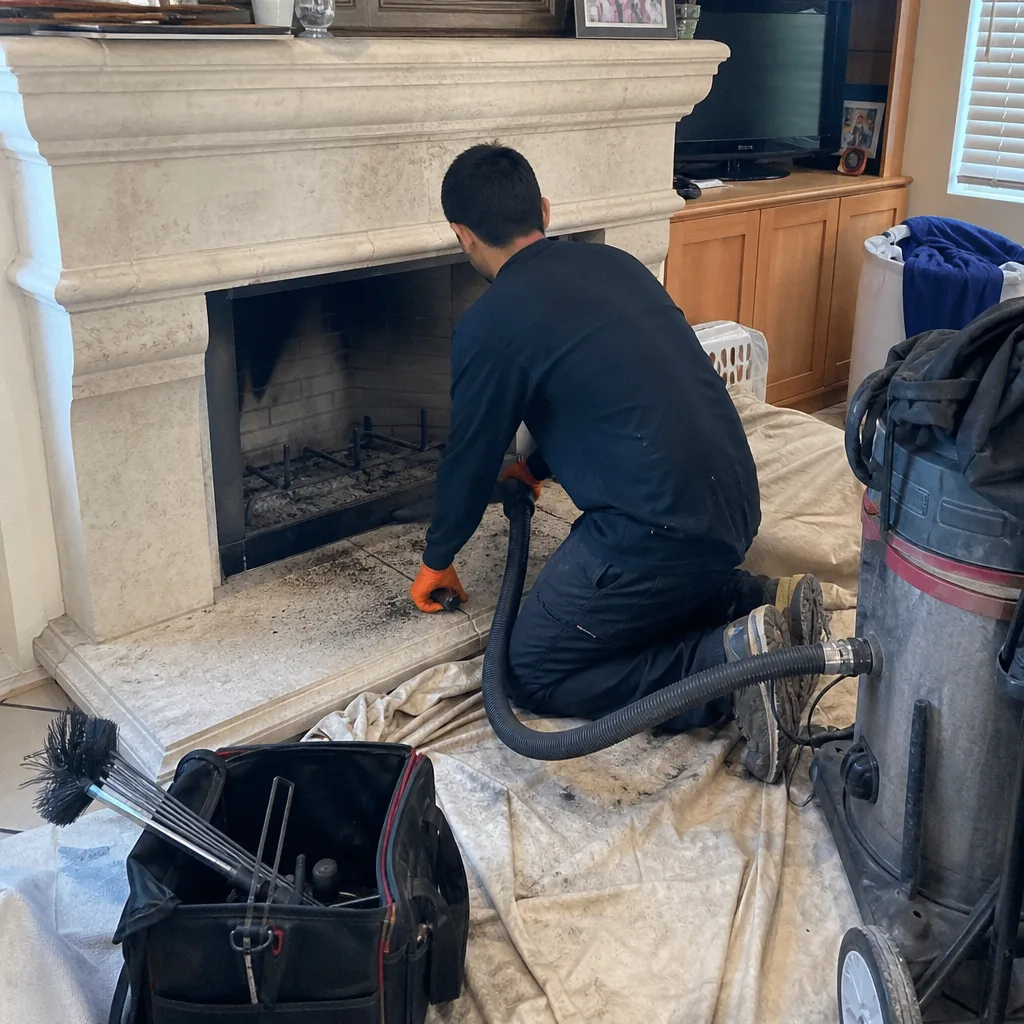 Before
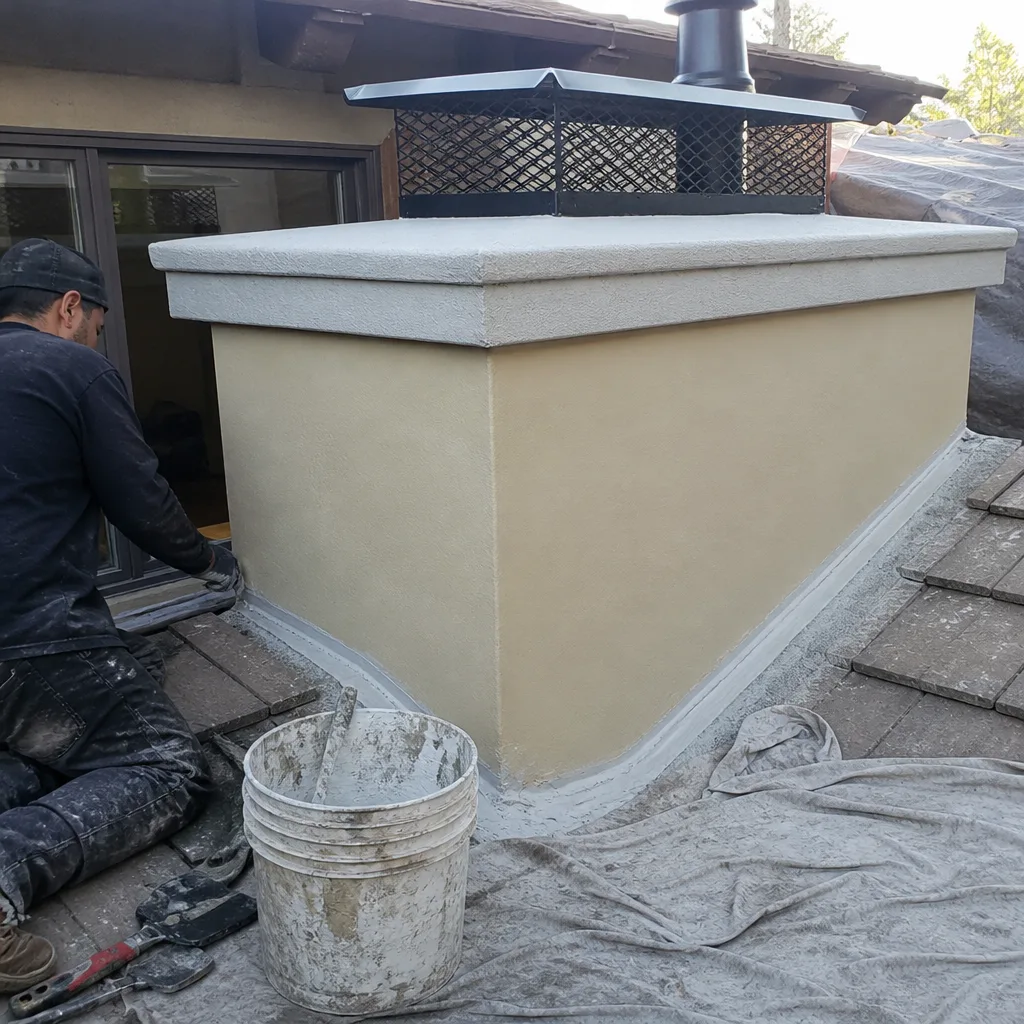 After
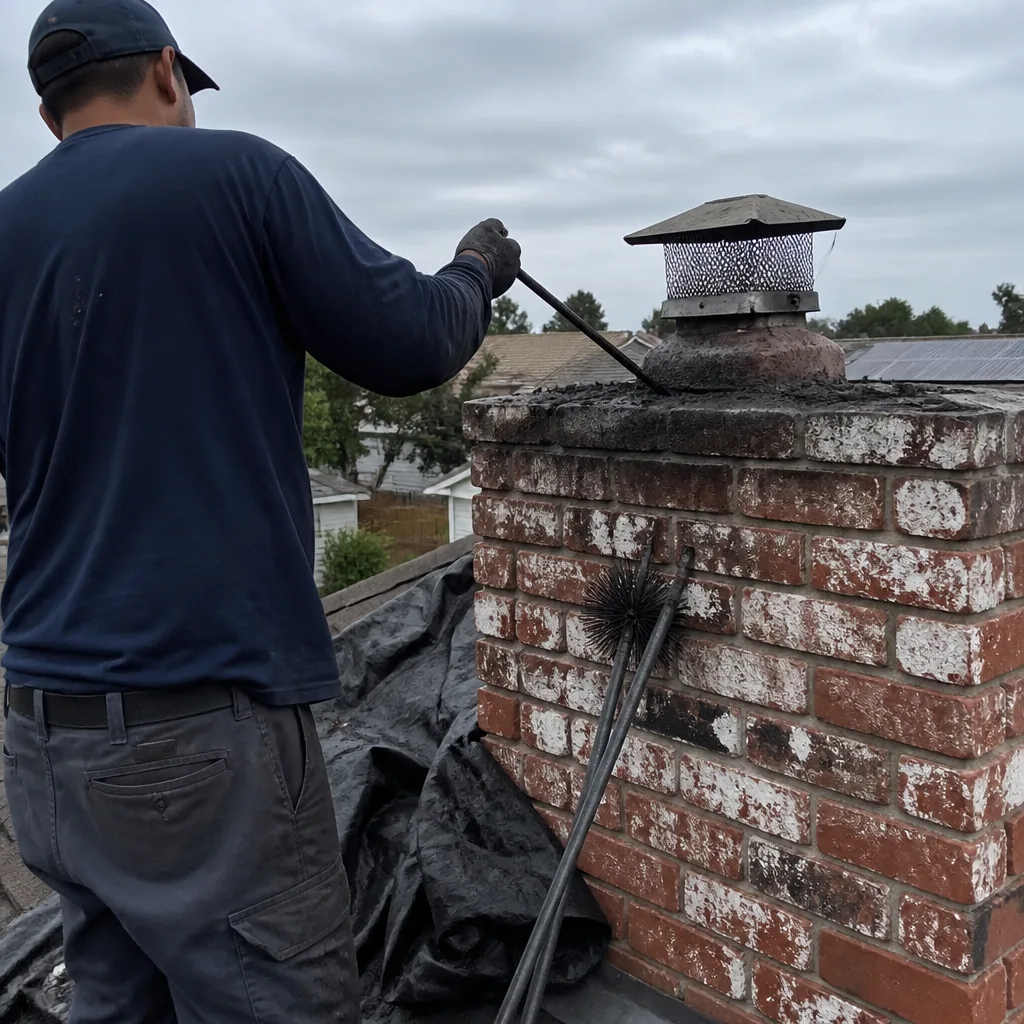 Before
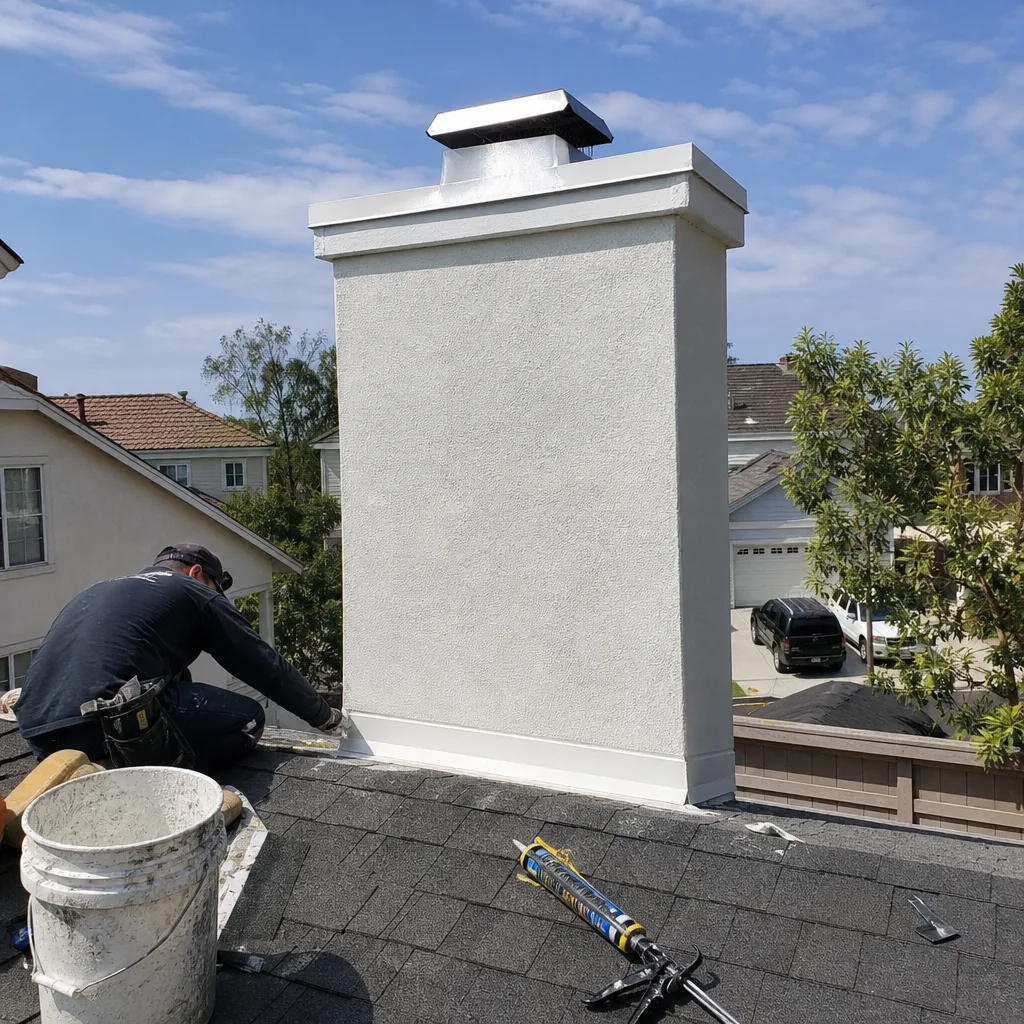 After
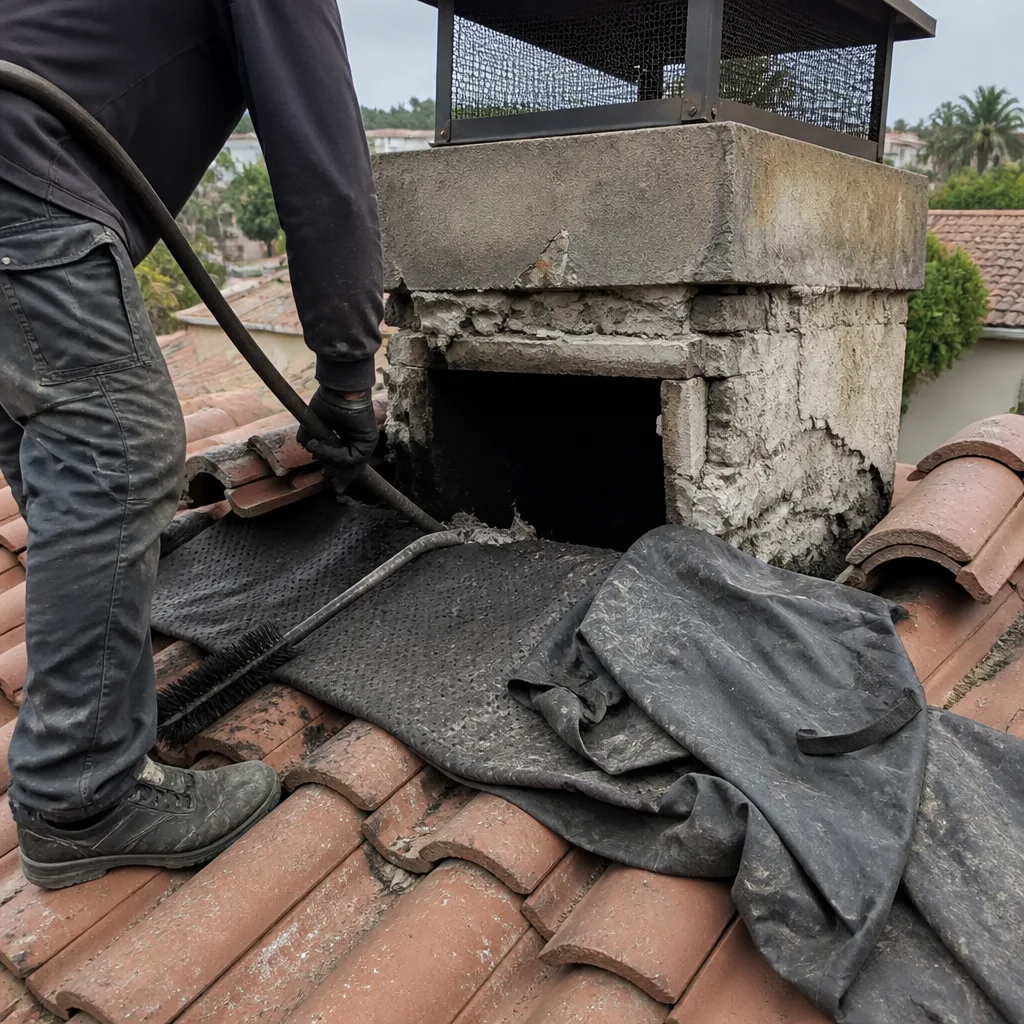 Before
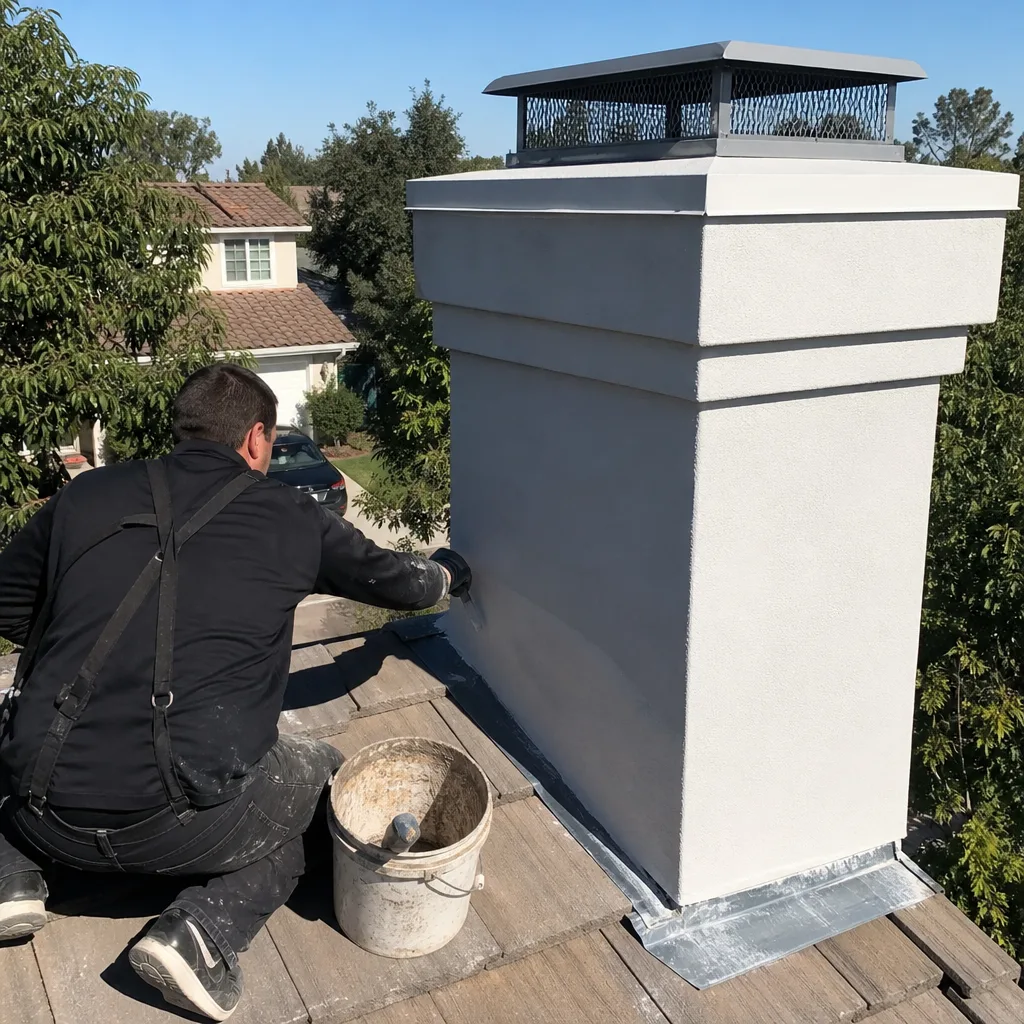 After