
Last updated October 30, 2026
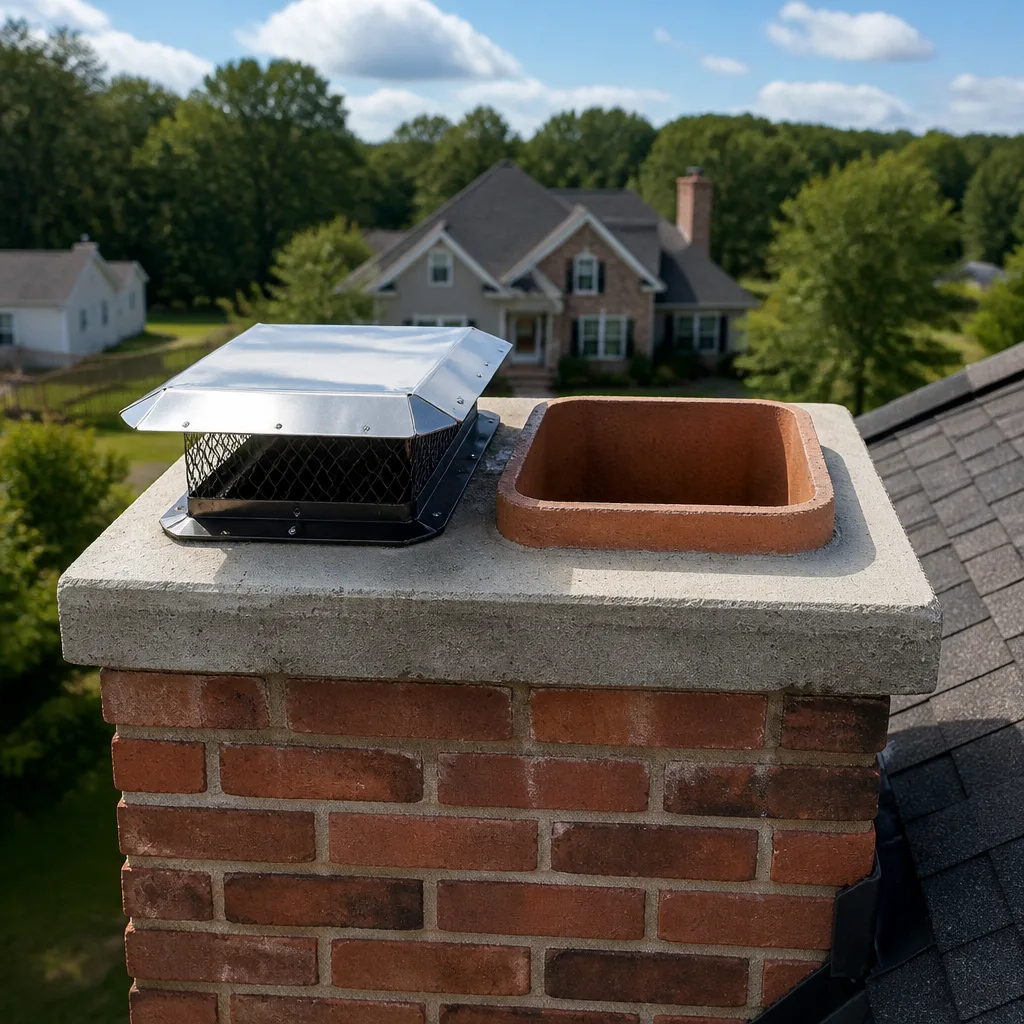 Sweep & inspection
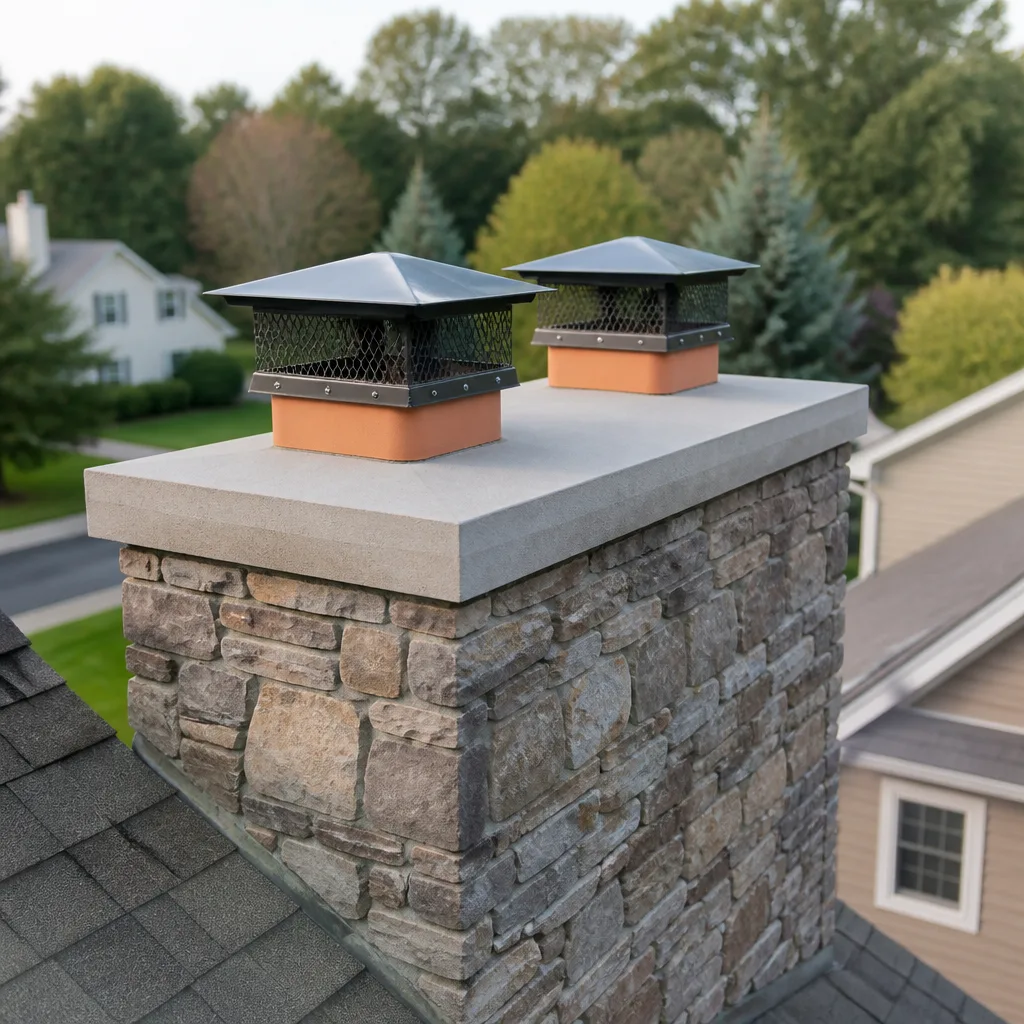 Caps & crowns
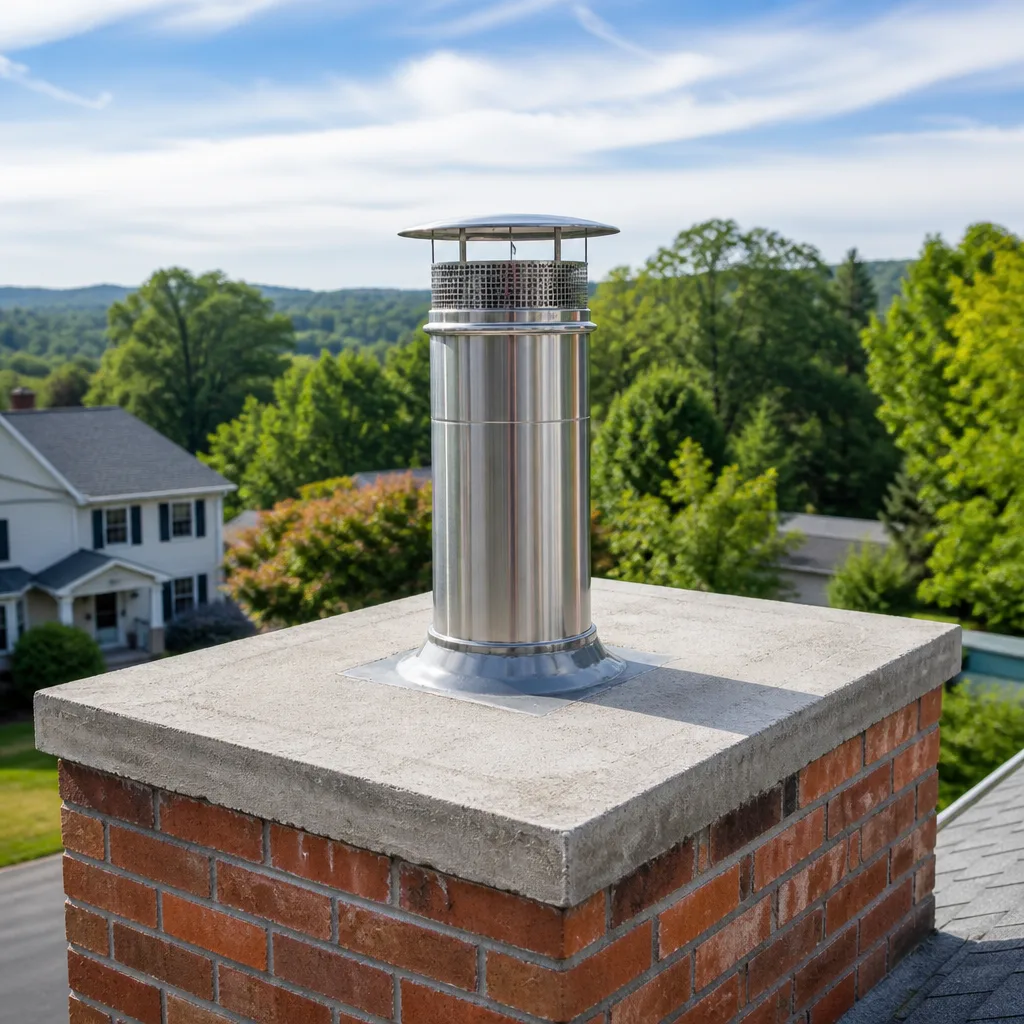 Flue relining
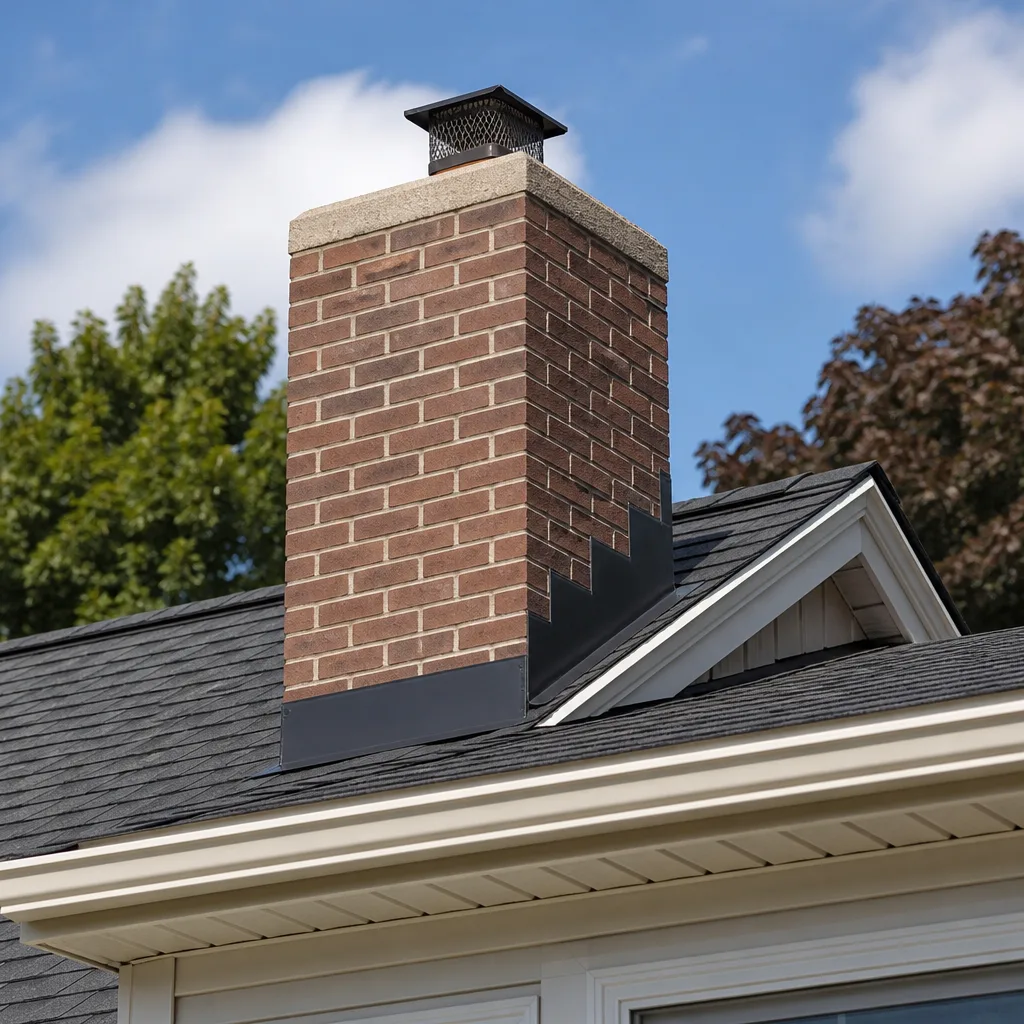 Masonry repair
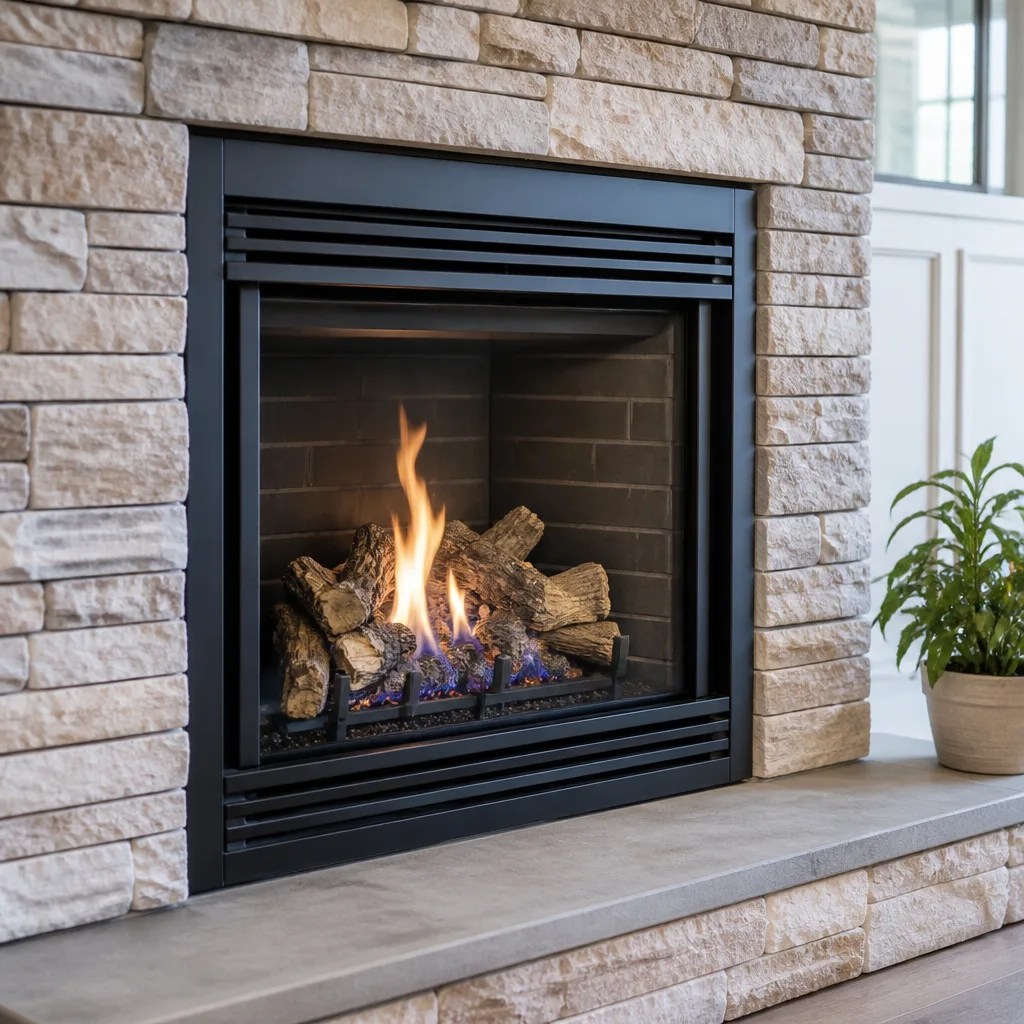 Gas fireplace service
Level 1 sweep and inspection to the NFPA 211 annual standard - flue, crown, cap, and flashing checked and photographed
Chimney sweep logs do not sweep chimneys. They loosen some creosote - which then falls where a brush and vacuum still have to collect it.
Seasonal Chimney Cleaning Care for Irvine: Year-Round Homeowner’s Guide
In Irvine, the highest chimney risk period isn’t winter. It’s the first fire of the season in October or November, lit into a flue that’s been dormant through a summer of heat cycling, debris accumulation, and possible animal activity. Most homeowners assume a chimney that sat unused for six months is a chimney that’s ready to go. In our experience across Irvine, the opposite is usually true. This guide maps chimney care to Irvine’s actual climate rhythm: the Santa Ana winds, the AQMD curtailment calendar, the long dry summer, and the brief wet season. By the end, you’ll know exactly when to schedule work, what each season demands, and which tasks you can handle yourself versus which ones need a trained sweep. For more guides & resources on keeping your home safe, explore our blog.
Quick Answer
Seasonal chimney care in Irvine means scheduling a professional inspection and cleaning in September or early October, before the South Coast AQMD’s no-burn season begins. From November through February, you’re maintaining a clean system and watching for Santa Ana wind effects. Spring is your post-season assessment window, and summer is for repairs, liner work, and dryer vent maintenance while the fireplace sits dormant.
Styles & brands we work with
Table of Contents
- Why Irvine’s Climate Creates a Different Chimney Calendar
- The September-October Pre-Season Window: Your Highest-Value Inspection
- Santa Ana Wind Season: What High-Velocity Reverse Drafts Do to Your Flue
- AQMD Curtailment Season: How to Align Your Maintenance Schedule
- Winter Burn Season: What to Watch For While You’re Using the Fireplace
- Spring Post-Season Tasks: Moisture, Dampers, and Crown Inspection
- Summer Dormancy: Heat Cycling, Repairs, and Dryer Vent Work
- Common Mistakes to Avoid
- When to Call a Professional
- Frequently Asked Questions
- The Bottom Line
Why Irvine’s Climate Creates a Different Chimney Calendar
Irvine doesn’t have four traditional seasons, but its chimney care calendar is still meaningfully structured. What most national chimney guides describe as “fall preparation” happens here in September, when inland temperatures still sit in the 80s and 90s. What they call “winter maintenance” is actually our burn season, which runs from November through February under South Coast AQMD rules. And what they call “spring cleaning” is better understood as a post-rain moisture assessment, because Irvine’s wet season is short and unpredictable rather than a reliable months-long stretch.
The climate factors that actually shape chimney maintenance in Irvine are these:
- High UV exposure year-round: Southern California’s intense sun degrades chimney crowns, cap seals, and exterior mortar faster than in most of the country. A crown that would last fifteen years in a temperate climate might show cracking after eight or nine here.
- Summer heat cycling: When daytime temperatures climb into the 90s and then drop twenty-plus degrees at night, the masonry in your chimney expands and contracts. Over years, this micro-movement loosens mortar joints and can separate firebrick panels inside the firebox.
- Santa Ana wind events: These offshore winds are strongest from September through January. We’ll cover them in detail below, but the short version is that high-velocity reverse drafts force particulate down your flue and into your firebox, even when you haven’t used the fireplace in months.
- AQMD burn restrictions: Irvine falls under the South Coast Air Quality Management District’s residential wood-burning rules. From November through the end of February, you cannot legally burn wood on days when a no-burn alert is issued. This means your burning window is narrower than in many parts of the country, and your maintenance timing needs to account for it.
Understanding these four factors is what separates a homeowner who schedules chimney work intelligently from one who gets caught in the October rush. Every sweep you talk to in Irvine will tell you the same thing about late October and early November: that’s when everyone calls. Scheduling in September puts you ahead of the queue and gives you time to address any repair work before the first legal burn day.
The September-October Pre-Season Window: Your Highest-Value Inspection
If you book exactly one chimney service per year, book it in September or the first half of October. Here’s why this window matters more than any other in Irvine.
First, the chimney has just spent four to six months dormant. During that time, several things have happened that you cannot see from the living room:
- Animals have had time to move in. Chimney swifts, pigeons, and squirrels look for nesting spots during spring and summer. A chimney without a properly fitted cap is an open invitation. By September, nests and droppings may be blocking the flue or sitting on the smoke shelf.
- Debris has accumulated. Santa Ana winds in late summer and early fall push leaves, twigs, and fine particulate into uncovered flues. Even with a cap, small debris gets past standard mesh.
- Creosote from last season has had months to cure. Creosote doesn’t disappear during the off-season. It dries, hardens, and sometimes glazes. Third-degree, glazed creosote is the most dangerous form because it’s difficult to remove without professional equipment and it ignites at lower temperatures than you’d expect.
- Mortar has been through another summer of expansion and contraction. The thermal cycling mentioned earlier doesn’t stop just because the fireplace is off. Your chimney is still exposed to the sun and ambient temperature swings.
Second, a pre-season inspection before curtailment season gives you time to act. Here’s the sequence to follow:
- Book an inspection in September. A Level 1 inspection covers the accessible portions of the chimney, the flue liner, the damper, and the firebox. A standard sweep can usually be done on the same visit.
- Review the camera findings. A competent sweep in Irvine will run a camera up the flue and show you what they see. If you’re told you need liner work or masonry repair, you should see photographic evidence. We never recommend major work without camera documentation.
- Schedule any repairs before November. If the inspection turns up cracked flue tiles, a failing crown, or a deteriorated damper, September and October are the right months to fix them. Once burn season starts, repair slots fill quickly and weather becomes less cooperative for exterior work.
- Do a test burn in late October. After the sweep and any repairs, light a small fire and confirm the system drafts properly. Watch for smoke spillage into the room and listen for any unusual popping or crackling sounds from the flue.
- Deposits particulate into the firebox and smoke shelf. The wind doesn’t travel down an empty flue cleanly. It carries fine dust, ash residue, and whatever’s sitting on the chimney crown or cap. This material lands on the smoke shelf and in the firebox, which means you can end up with a dirty firebox even if you swept the chimney a month earlier.
- Pulls room air up the flue when the damper is open. If your damper is left slightly open during a high-wind event, the pressure differential can draw conditioned air out of your home. This is an efficiency problem and a comfort problem during the shoulder seasons when you might otherwise leave the damper cracked.
- Strains older caps and chase covers. Sustained wind pressure tests every seal on your chimney cap and chase cover. A cap that’s been on the chimney for a decade may not fail outright, but the constant flexing loosens fasteners and can shift the cap off its intended position.
- September: Book a sweep and Level 1 inspection. Complete any repairs that require scaffolding, exterior access, or multiple visits.
- Early October: Confirm your damper operates smoothly, your cap is secure, and your firewood is properly seasoned. Check the AQMD website for the upcoming season’s alert notification system.
- November 1: The season begins. Check alerts before every burn. On legal burn days, use the fireplace normally. On no-burn days, don’t.
- December through February: Burn when you can. Watch for creosote buildup, particularly if you’re burning softwoods or wood that isn’t fully dry. A mid-season visual check of the firebox and damper area takes five minutes.
- March: Season ends. Book your post-season assessment and any planning for next year’s repairs.
- Smoke spillage into the room. When a properly functioning fireplace burns, nearly all smoke goes up the flue. If you notice smoke curling back into the living space, especially during startup or when the fire is burning low, that’s a draft issue. It can be caused by a partially closed damper, a flue obstruction, or pressure differences in the home. Don’t ignore it.
- The color and behavior of the fire. A healthy wood fire burns with bright, active flames. A fire that’s sluggish, produces excessive dark smoke, or keeps dying out is telling you something about airflow or fuel quality. In Irvine, the most common culprit for a struggling fire is unseasoned wood. Wood needs six months to a year of drying time after it’s cut and split. If you’re buying “seasoned” wood from a roadside seller in November, there’s a decent chance it was cut in September.
- Accumulation on the damper and smoke shelf. Every few weeks during burn season, shine a flashlight up past the damper while the fireplace is cold. If you see black, flaky buildup or a shiny, tar-like coating, creosote is accumulating faster than expected. This is a flag for a mid-season sweep or at minimum a conversation with your chimney professional.
- Unusual sounds during or after a burn. Popping and crackling from the fire itself is normal. Popping from the flue or chimney chase after the fire is out is not. That can indicate moisture in the masonry flashing to steam, which signals water intrusion. Cracked or separated flue tiles can also produce sounds as they expand and contract.
- Check the damper. Operate it fully open and fully closed several times. If it sticks, scrapes, or doesn’t seat completely, the hinge or the frame needs attention. Many damper problems are easier to fix in spring than in the fall rush.
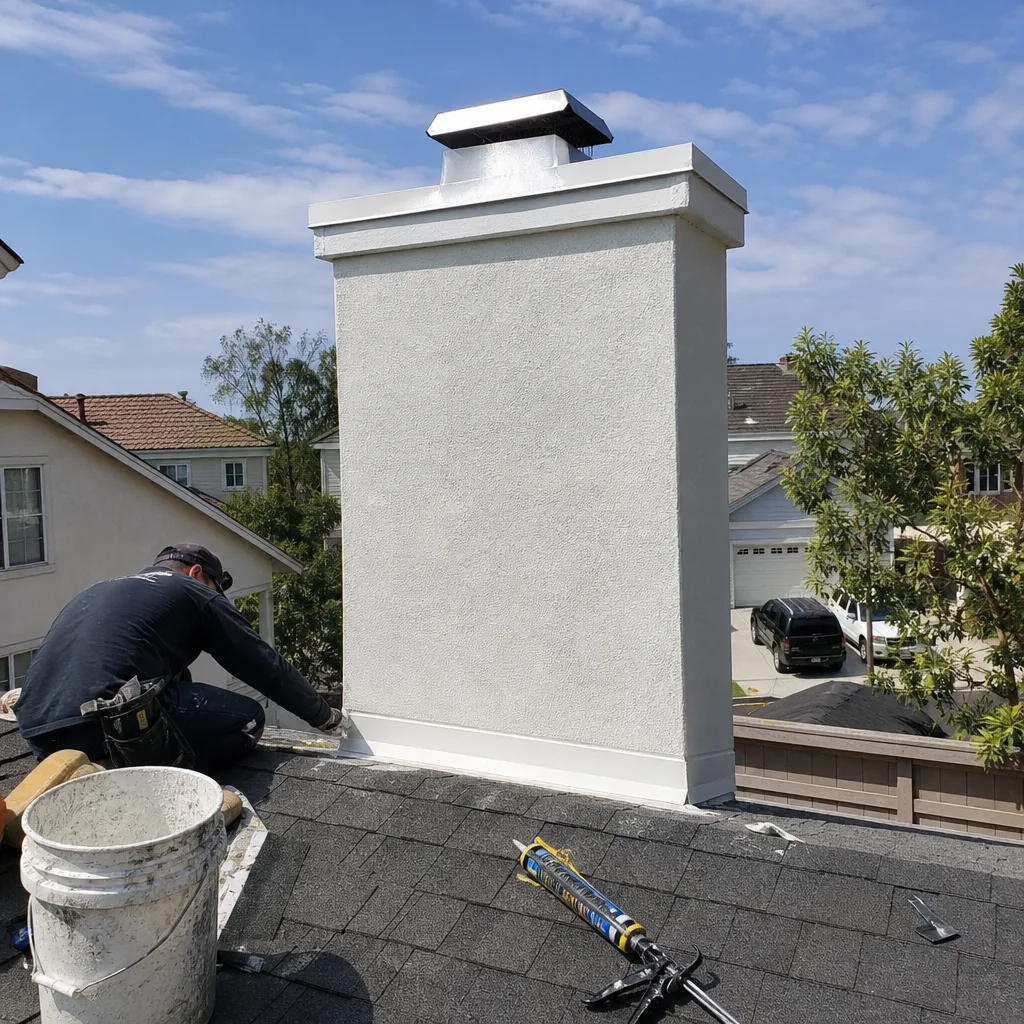
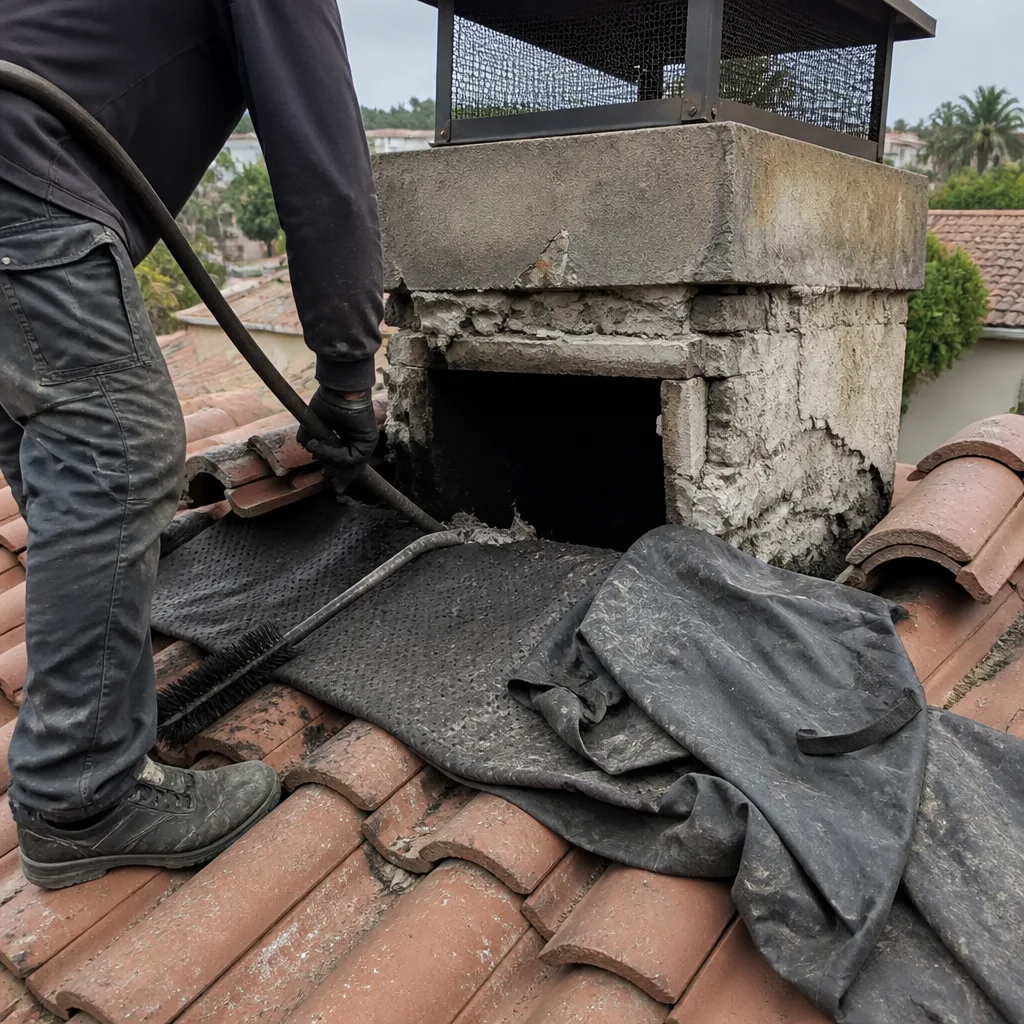
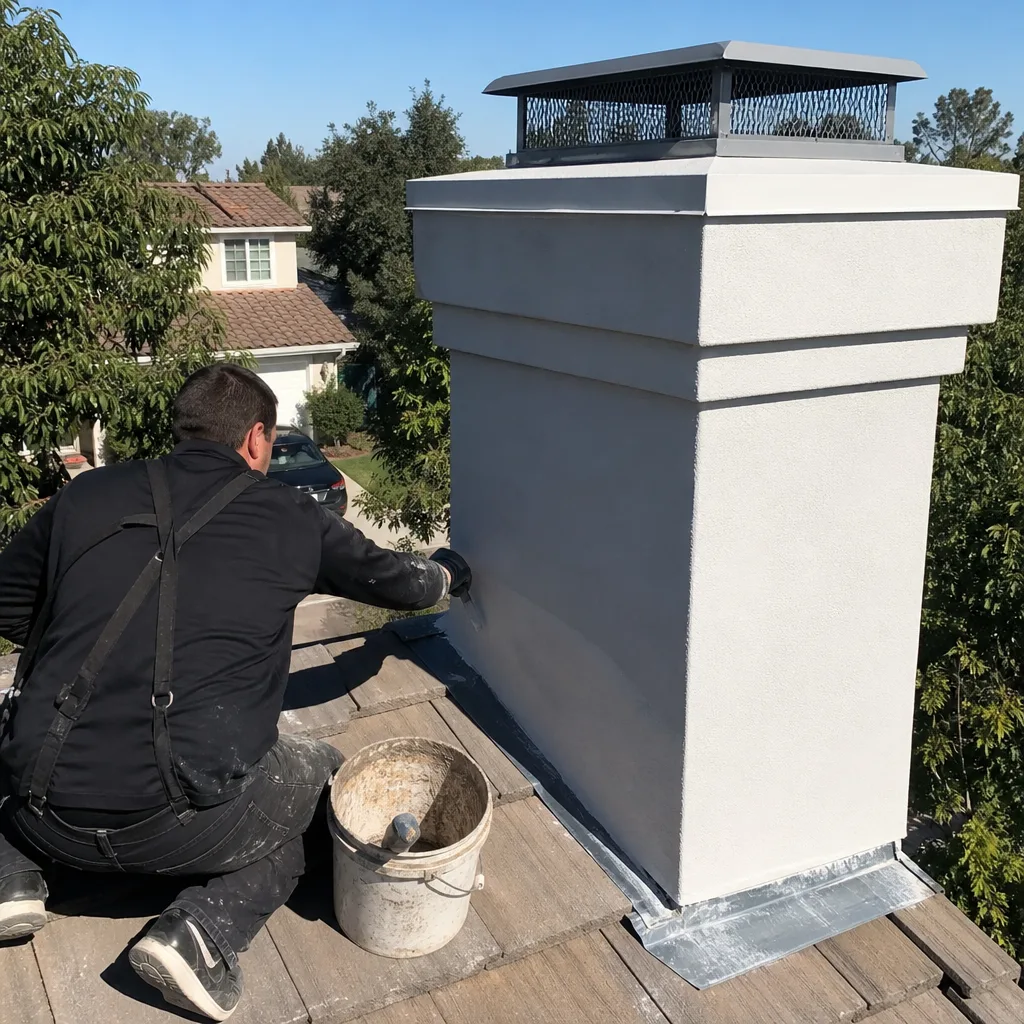
- Inspect the exterior crown. The crown is the concrete or mortar cap at the top of the chimney that sheds water. Look for cracks, spalling, or loose material. A cracked crown lets water into the masonry below, and water is the enemy of every chimney component.
- Look for animal activity. Spring is when animals are most active, and they’re looking for nesting sites. If your cap is missing or damaged, squirrels or birds may already be inside. Listen for scratching sounds in the chimney and look for nesting material in the firebox.
- Remove ash after the final burn. Leftover ash is acidic. Sitting in the firebox through a damp spring, it can corrode metal components and damage brick. Remove it once you’re certain you’re done burning for the season.
- Consider a mid-year dryer vent cleaning. We see a pattern in Irvine, and it’s worth flagging directly: homes that use their fireplaces heavily in winter often ignore their dryer vents until there’s a problem. The leading cause of appliance fires in American homes is the dryer vent. If you haven’t had yours cleaned in a year or more, spring is an ideal time. It’s a quick service, and it makes sense to handle both ventilation systems on the same visit when possible.
- Mortar continues to cycle. The expansion and contraction that causes cracks in flue tiles and mortar joints doesn’t pause just because you’re not burning. Summer is actually the most active period for thermal cycling, because surface temperatures on a south-facing chimney can exceed 140 degrees on a hot day and drop into the 60s by early morning.
- Existing water damage worsens. If spring inspection revealed crown cracks or water entry points, summer’s dry heat doesn’t fix them. It just hides the symptoms. Water that penetrated during winter has already done its damage, and the dry season masks the evidence until next year’s rains.
- Cap and chase cover seals deteriorate. UV exposure degrades the caulking and sealants around caps and chase covers over time. A seal that was functional in March may show visible cracking by September.
- Waiting until the first cold night to book a sweep. The first cold night in Irvine is when every other homeowner also calls. You’ll wait longer, pay the same price, and possibly miss legal burn days because your inspection hasn’t happened yet. Book in September and skip the rush.
- Assuming no burning means no maintenance. Your chimney degrades during dormancy. Summer heat cycling, Santa Ana winds, animal activity, and water intrusion all happen regardless of whether you use the fireplace. Annual inspection is the floor, not the ceiling.
- Burning unseasoned wood and blaming the chimney. A sluggish fire with heavy smoke is usually a fuel problem, not a chimney problem. Buy wood from a reliable source, ask when it was cut and split, and store it properly covered and off the ground. In Irvine’s dry climate, properly stored wood seasons faster than in humid regions, but it still takes months.
- Ignoring a no-burn alert because the neighbors are burning. AQMD no-burn days aren’t suggestions. Fines start in the hundreds of dollars and escalate with repeat violations. Sign up for alerts and actually observe them.
- Treating the dryer vent as a separate, optional item. Your chimney and your dryer vent are both ventilation systems that carry heat and combustion byproducts out of your home. Both can start fires. Handling both on the same maintenance schedule is simpler than juggling two contractors and two calendars.
- Accepting repair recommendations without camera evidence. If a sweep tells you the flue liner is cracked or the chimney needs rebuilding, ask to see the camera footage. A reputable company will show it to you without hesitation. We don’t recommend work without photographic documentation because you should never have to trust a contractor’s word on a multi-thousand-dollar repair.
- Skipping the crown inspection. The crown is the first line of defense against water, and it’s one of the most commonly overlooked chimney components. A cracked crown is a repair that gets more expensive every year it’s deferred. Check it in spring, fix it in summer.
We’ve seen the same pattern every year in Irvine: homeowners who schedule in September get their work done in a week. Homeowners who wait until the first cold-ish evening in November face two-to-three week waits, no-burn days that push back their first true fire, and a rushed inspection that’s more likely to miss something.
Santa Ana Wind Season: What High-Velocity Reverse Drafts Do to Your Flue
Santa Ana winds are a fact of life in Irvine from September through January, and they affect your chimney in ways most homeowners never consider. These winds blow from the high desert toward the coast, and when they hit coastal and inland Orange County, they can sustain speeds of 30 to 40 miles per hour with gusts well above that.
Your chimney is designed to draft upward: warm air rises, pulling smoke and combustion gases out of the flue. But a strong Santa Ana gust hitting the chimney cap at the wrong angle creates a reverse draft, pushing air down the flue. Here’s what that does:
After a particularly strong Santa Ana event, it’s worth taking a quick look at your fireplace. If you see more dust or fine debris in the firebox than you remember, that’s reverse draft doing its work. A quick sweep-out by hand is fine, but if you’re seeing this happen repeatedly, it’s a sign that your cap isn’t doing its job or the flue isn’t drafting as well as it should during wind events.
For homeowners with gas fireplaces, Santa Ana winds can also cause pilot light issues. Strong reverse drafts can extinguish a standing pilot or blow out the flame on a vented gas log set. If this happens and you smell gas, shut off the gas supply to the fireplace and call a professional before attempting to relight anything. Our Chimney Cleaning Emergency Preparedness Guide for Irvine Homes covers what to do in these situations.
AQMD Curtailment Season: How to Align Your Maintenance Schedule
Irvine falls under the jurisdiction of the South Coast Air Quality Management District, which regulates residential wood burning across Orange, Los Angeles, Riverside, and San Bernardino counties. For details on how this affects your maintenance schedule, see our Chimney Cleaning Permits, Codes & Inspections in CA: What You Need to Know. From November 1 through the end of February, the AQMD issues mandatory no-burn alerts on days when particulate matter levels are forecast to exceed federal health standards.
On a no-burn day, you cannot legally burn wood in a fireplace or outdoor fire pit. Fines for violations are real, and the alerts are tied to actual health impacts, not arbitrary restrictions. This matters for your chimney maintenance schedule in two ways.
First, it means your functional burn season in Irvine is more constrained than most homeowners assume. You might get 30 to 40 legal burn days in a typical winter, concentrated in the periods between weather systems. Every one of those burn days matters, and you don’t want to spend the first third of the season waiting for an inspection or repairs that should have been done in October.
Second, the curtailment calendar creates a predictable inspection bottleneck. The AQMD usually announces no-burn season rules in October, and the first cold snap follows shortly after. Sweeps in Irvine field a wave of calls in that window, and the more experienced companies book out first. If you schedule your pre-season inspection in September, you’re not competing with that rush.
Here’s a practical sequence for aligning your maintenance with the curtailment calendar:
We also recommend that Irvine homeowners sign up for AQMD’s no-burn alert notifications. The alerts are free, and they arrive by email or text. It’s the simplest way to avoid an accidental violation and a fine that could have paid for your next chimney sweep.
Winter Burn Season: What to Watch For While You’re Using the Fireplace
Once burn season arrives, your maintenance focus shifts from preparation to monitoring. The chimney is clean, the flue is in good shape, and you’re burning legally on acceptable days. Now you’re watching for early warning signs that something has changed since your September inspection.
Here’s what to check during the burn season:
One more point worth making explicit: if you have a gas fireplace in an Irvine home, your burn season looks different. Gas fireplaces don’t produce creosote, but they do produce water vapor and combustion byproducts. The main things to watch are soot accumulation around the logs, any change in flame color (blue is normal for most gas log sets, and a consistently yellow or orange flame can indicate incomplete combustion), and any smell of gas when the fireplace is off. If you smell gas, shut off the supply and call a professional.
Spring Post-Season Tasks: Moisture, Dampers, and Crown Inspection
When the AQMD burn season ends in February and Irvine moves into spring, most homeowners close the damper and forget the fireplace exists until October. That’s a missed opportunity. Spring is the right time for a post-season assessment because it gives you the entire summer to plan and complete repairs before the next burn season.
The key spring task is moisture assessment. Whatever rain Irvine received during the winter months has had time to penetrate any cracks in the chimney crown, mortar joints, or cap seal. By spring, the evidence is visible: efflorescence (white mineral stains on masonry), spalling brick faces, water staining around the ceiling near the chimney chase, and mortar that crumbles when you scrape it with a key.
Here’s a spring checklist for Irvine homeowners:
Spring is also the window for liner evaluation if your September inspection flagged any concerns. A camera inspection in April or May gives you the full summer to plan a repair or replacement on your schedule, not under the pressure of an approaching burn season.
Summer Dormancy: Heat Cycling, Repairs, and Dryer Vent Work
Summer is when your chimney does nothing, and that’s exactly why it’s the ideal time for deeper work. The fireplace won’t be used for months, which means repairs can be completed without disrupting your home’s heating routine. If you need liner work, masonry repair, or a crown rebuild, summer is when the calendar is on your side.
But summer dormancy also creates problems. In Irvine, the summer months bring prolonged heat exposure and significant temperature swings between day and night. Here’s what happens to your chimney when it sits through a Southern California summer:
For homeowners planning repair work, summer is the right call for several reasons: weather conditions are predictable for exterior work, the schedule at most chimney companies is less compressed than in October, and you can complete the work with zero pressure to have the fireplace ready for a specific date.
We also recommend using summer for dryer vent cleaning if it wasn’t done in spring. Our work across Irvine has shown us that dryer vent issues are often discovered by inspectors or appliance techs long before they become fires. The lint that accumulates inside the vent is highly flammable, and a clogged vent forces your dryer to work harder while venting less effectively. It’s a safety visit in the truest sense, not a chore.
One more summer consideration: the first Santa Ana winds of the new cycle often arrive in late August or early September. If your cap is loose, your crown is cracked, or debris has accumulated in the flue over the summer, those first wind events will expose the problem. Scheduling a pre-season inspection in early September means catching it before the fall rush, not after.
Common Mistakes to Avoid
For reference on how these principles apply in nearby communities, visit our Chimney Sweep in Villa Park page. The climate factors are similar, but local building stock and fireplace types shift the priorities slightly.
When to Call a Professional
Some chimney tasks are safe to handle yourself: visual inspections of the firebox, cleaning ash from a cold fireplace, checking the damper operation. Others are not. Here’s where the line sits.
Call a professional for any work that involves reaching the top of the chimney, accessing the flue interior, or evaluating structural integrity. That includes crown repairs, cap replacement, masonry work, liner inspection and repair, and of course any concern about carbon monoxide or combustion safety. Working on a roof or chimney top is genuinely dangerous, and a fall from a second-story roof can be fatal. This is not a place for DIY experimentation.
You should also call a professional if you notice any of these during your own monitoring: smoke spilling into the room during burns, a fireplace smell when the fireplace isn’t in use, visible cracks in the firebox brick, water staining on the ceiling near the chimney, or suspicious sounds from inside the flue. These are indicators of problems that don’t resolve themselves.
Limestone Chimney Sweep home offers free estimates in Irvine. Call (855) 341-5439 to schedule a pre-season inspection, a camera diagnostic, or a discussion about repair options including HeatShield liner restoration and DuraFlex stainless steel liner systems. We stock the materials to fix what we find, which means the diagnostic and the repair happen under one roof.
For homes in Villa Park, our Chimney Repair in Villa Park page covers the repair-specific services we offer in that area, including crown rebuilds, damper replacement, and flue liner work.
Frequently Asked Questions
Once per year is the standard recommendation for wood-burning fireplaces, and in Irvine that cleaning should happen in September or early October before burn season begins. If you burn more than two or three times per week during the legal burn season, or if you burn wood that isn’t fully seasoned, you may need a mid-season sweep as well. Gas fireplaces need less frequent sweeping but still warrant an annual inspection to check venting, gas connections, and log condition. Call (855) 341-5439 for a specific recommendation based on your fireplace type and usage patterns.
Chimney Cleaning Cost Breakdown: The Irvine Homeowner’s Reference for 2026 shows that sweep pricing in Irvine typically runs from $150 to $350 for a standard cleaning and Level 1 inspection, depending on the size of the flue, the condition of the system, and whether additional services like camera inspection are included. If the sweep finds repair needs, those are quoted separately. The exact price depends on your specific chimney and what the inspection reveals. Estimates are free, and a reputable company will give you a firm quote before starting work.
Sometimes yes, sometimes no. A cracked flue liner is a genuine safety issue because it allows heat and combustion gases to reach combustible materials around the chimney. But you should never accept a liner recommendation without seeing camera footage of the damage. In many cases, HeatShield restoration can rehabilitate a damaged flue without a full tear-out, and where full replacement is needed, systems like DuraFlex stainless steel liners are installed with a lifetime warranty. Ask to see the camera images and get a clear explanation of why the liner is compromised before approving any work. If a sweep can’t or won’t show you the evidence, get a second opinion.
Creosote accumulates in the flue with every burn. Creosote is combustible, and in sufficient quantity it can ignite and cause a chimney fire that reaches temperatures over 2,000 degrees. Those temperatures crack flue tiles, warp metal components, and can spread fire to the structure of the home. Even short of a chimney fire, a clogged or partially obstructed flue can force carbon monoxide back into the living space. The risks are real and well-documented. Annual cleaning is substantially cheaper than repairing chimney fire damage, and it takes about an hour. Call (855) 341-5439 to schedule your annual sweep and avoid finding out what happens the hard way.
No. AQMD’s residential wood-burning restrictions apply to wood-burning fireplaces, wood stoves, and outdoor wood-burning fire pits. Gas fireplaces, gas log sets, and gas stoves are not subject to no-burn alerts. You can use a gas fireplace any day of the year in Irvine. Gas appliances still benefit from annual inspection to confirm proper venting and safe operation, but the curtailment calendar doesn’t restrict your use.
Yes. Strong Santa Ana winds can create reverse drafts that push air down the flue, carrying particulate and odors into the firebox and living space. If you notice a smoky or musty smell from the fireplace during wind events, especially when the fireplace hasn’t been used recently, that’s likely what’s happening. A properly fitted cap and a clean flue reduce the effect, but they don’t eliminate it entirely during the strongest wind events. If the smell persists on calm days, it usually means creosote or moisture has accumulated in the flue and needs attention. For homes in Villa Park, our Dryer Vent Cleaning in Villa Park page explains how we handle ventilation cleanliness for the full range of home exhaust systems.
The Bottom Line
Irvine’s chimney calendar doesn’t follow the seasons. It follows the Santa Ana winds, the AQMD burn restrictions, and the summer heat that degrades masonry while your fireplace sits idle. The highest-value move you can make as a homeowner is simple: book your annual sweep and inspection in September. That single decision puts you ahead of the October rush, gives you time to complete repairs before the first legal burn day, and catches problems during the window when they’re cheapest to fix. From there, monitor during burn season, assess moisture in spring, and use summer for repairs and dryer vent work. The chimney will tell you what it needs, if you know when to look.
Contact Limestone Chimney Sweep
Limestone Chimney Sweep serves Irvine and the surrounding Orange County communities with full-service chimney sweeping, chimney repair, and dryer vent cleaning. We stock professional-grade materials from manufacturers like Famco, Copperfield, DuraFlex, and HeatShield, which means the repairs we recommend are the repairs we can complete using named, warrantied components rather than generic hardware. If you’re ready to schedule a pre-season inspection or want to talk through a repair recommendation you’ve received, call (855) 341-5439 for a free estimate.
Written by the team at Limestone Chimney Sweep, serving Irvine since 2014.
See the difference
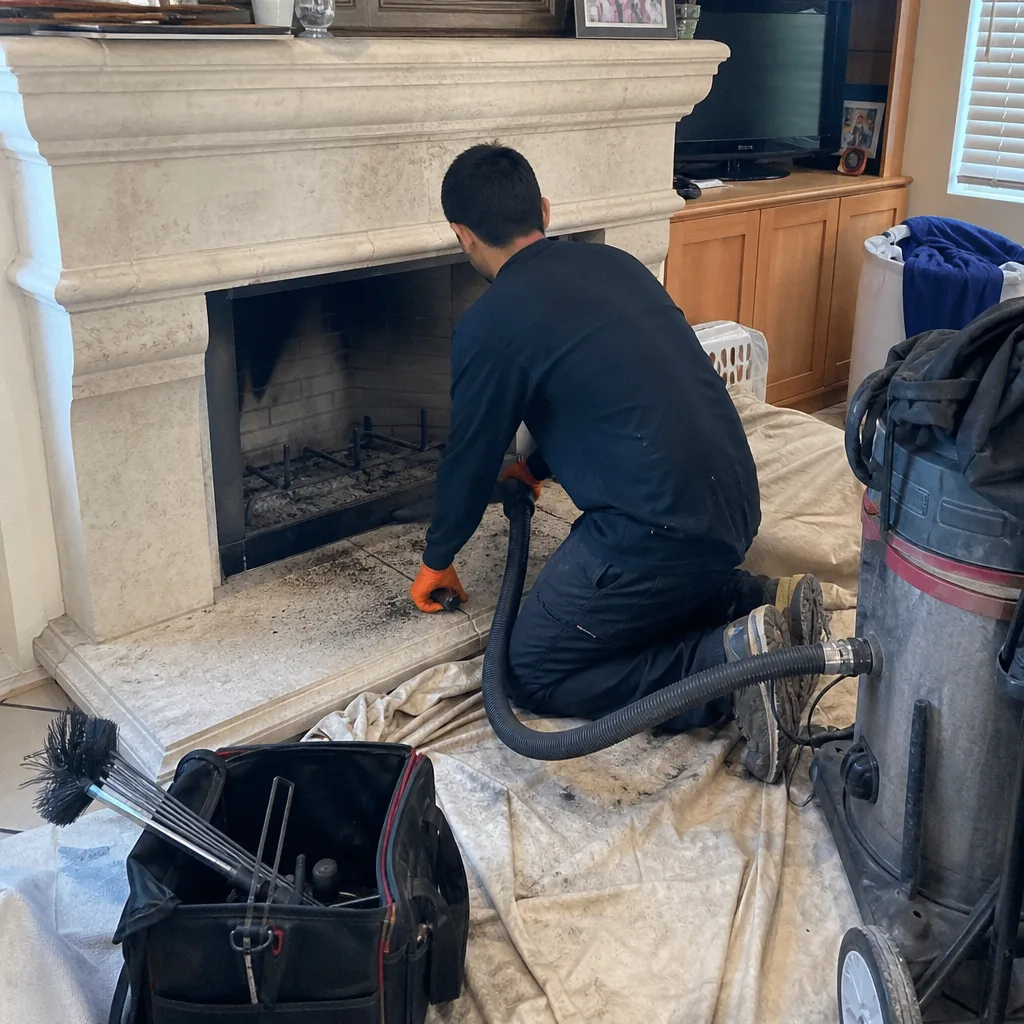 Before
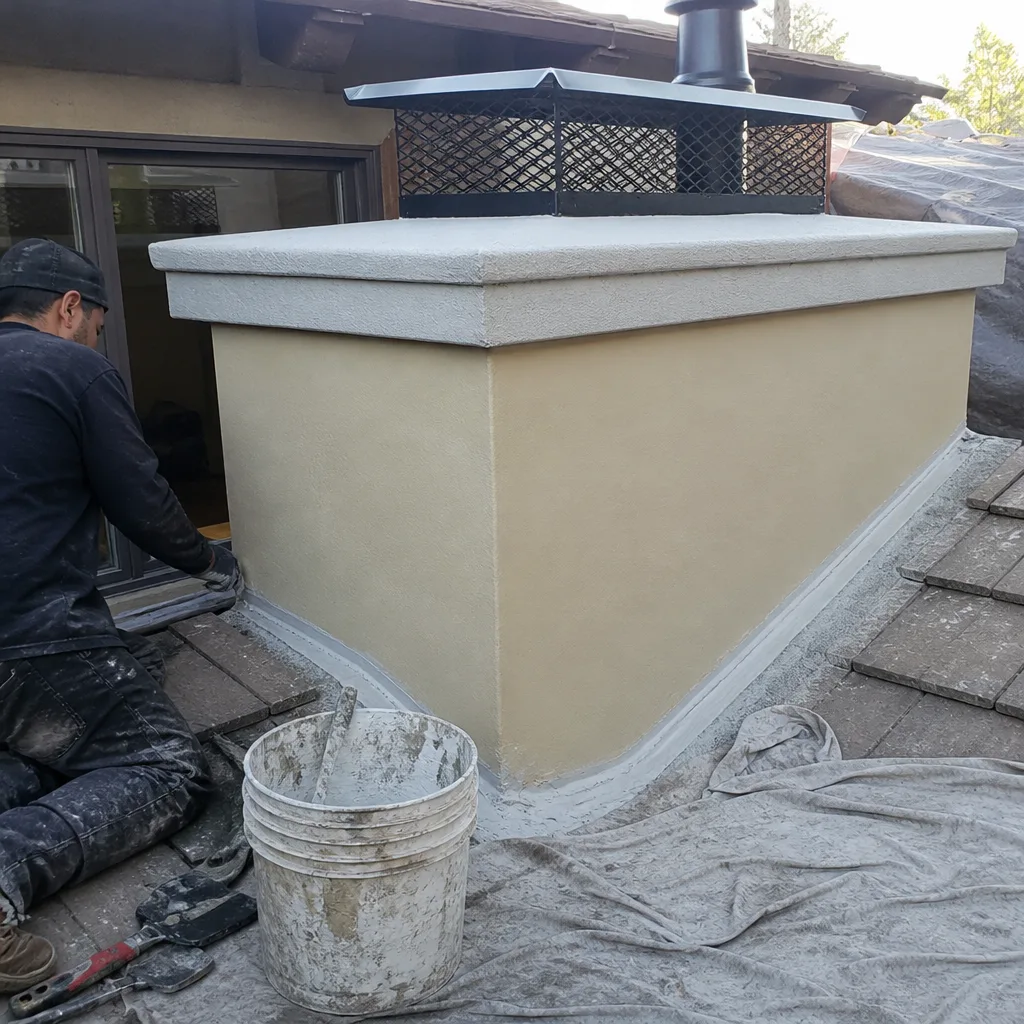 After
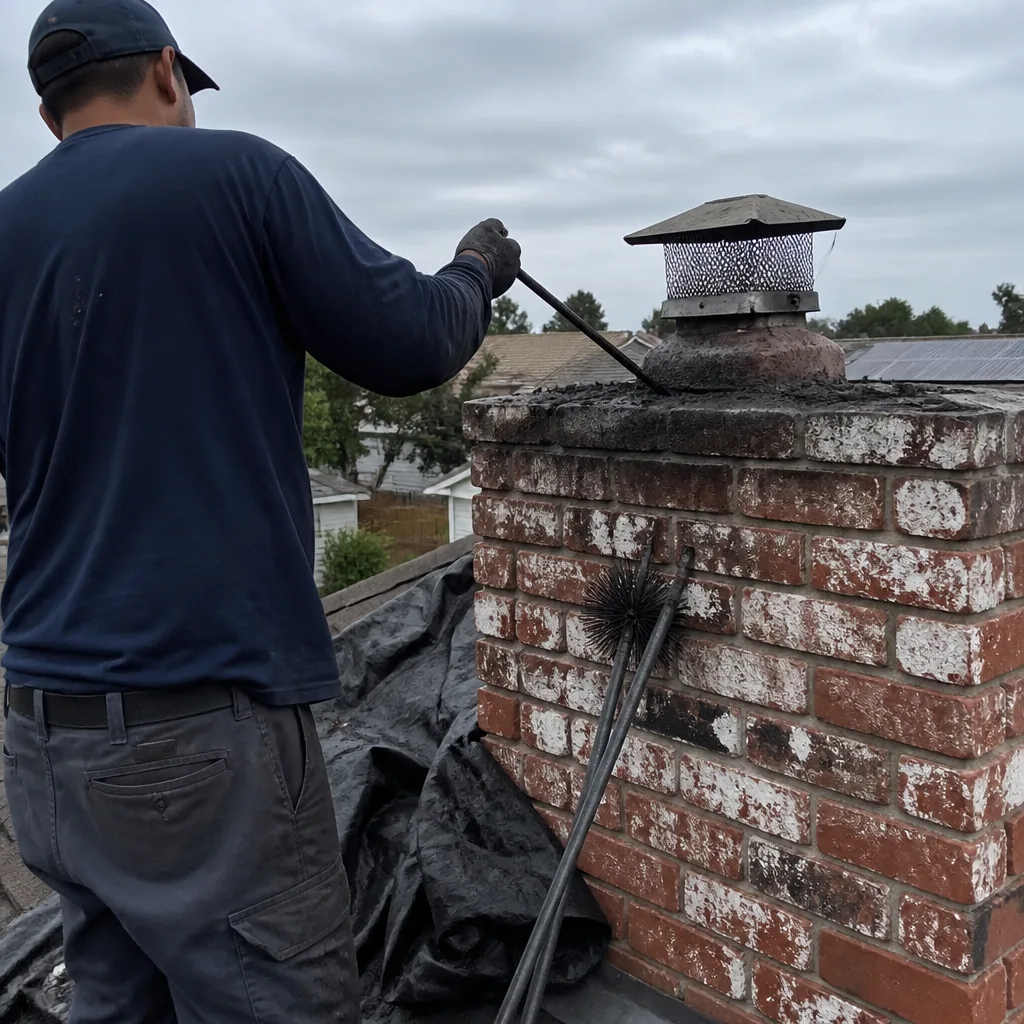 Before
 After
 Before
 After