
Last updated October 30, 2026
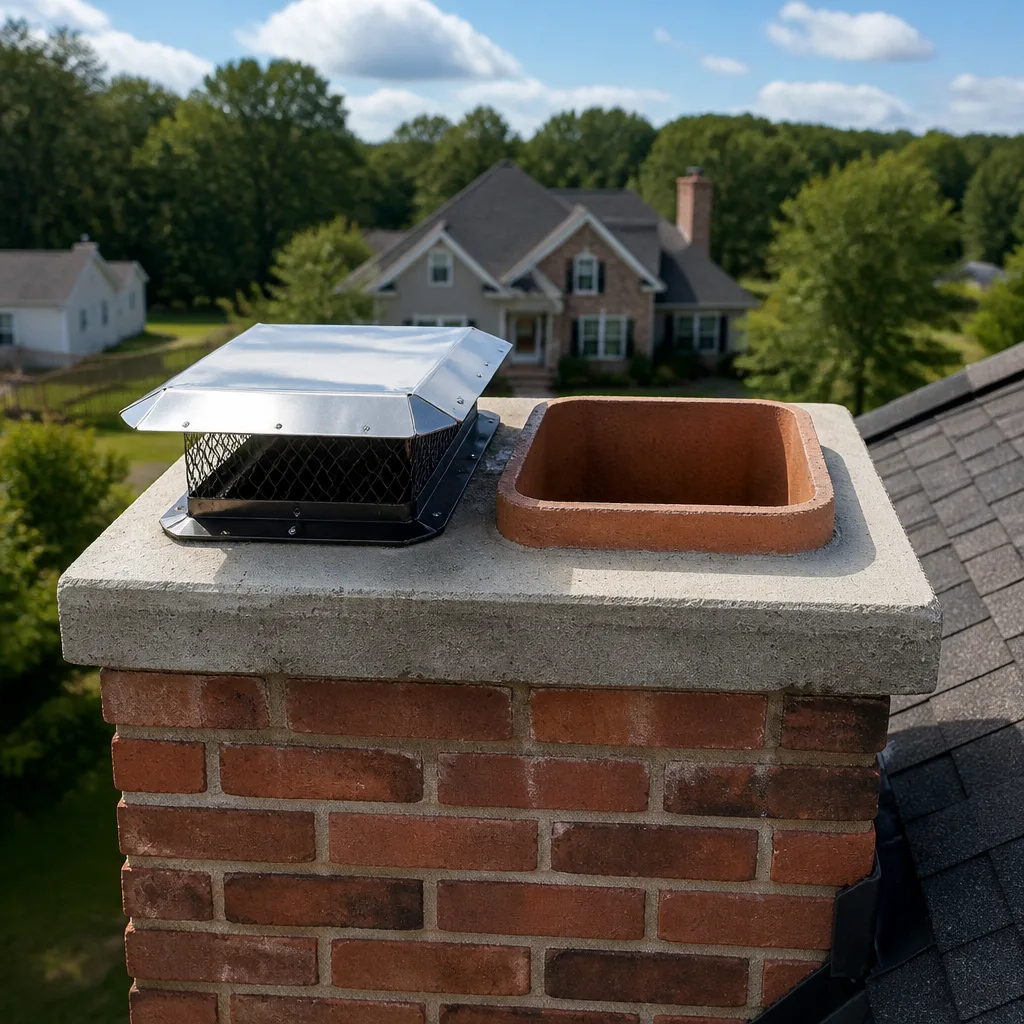 Sweep & inspection
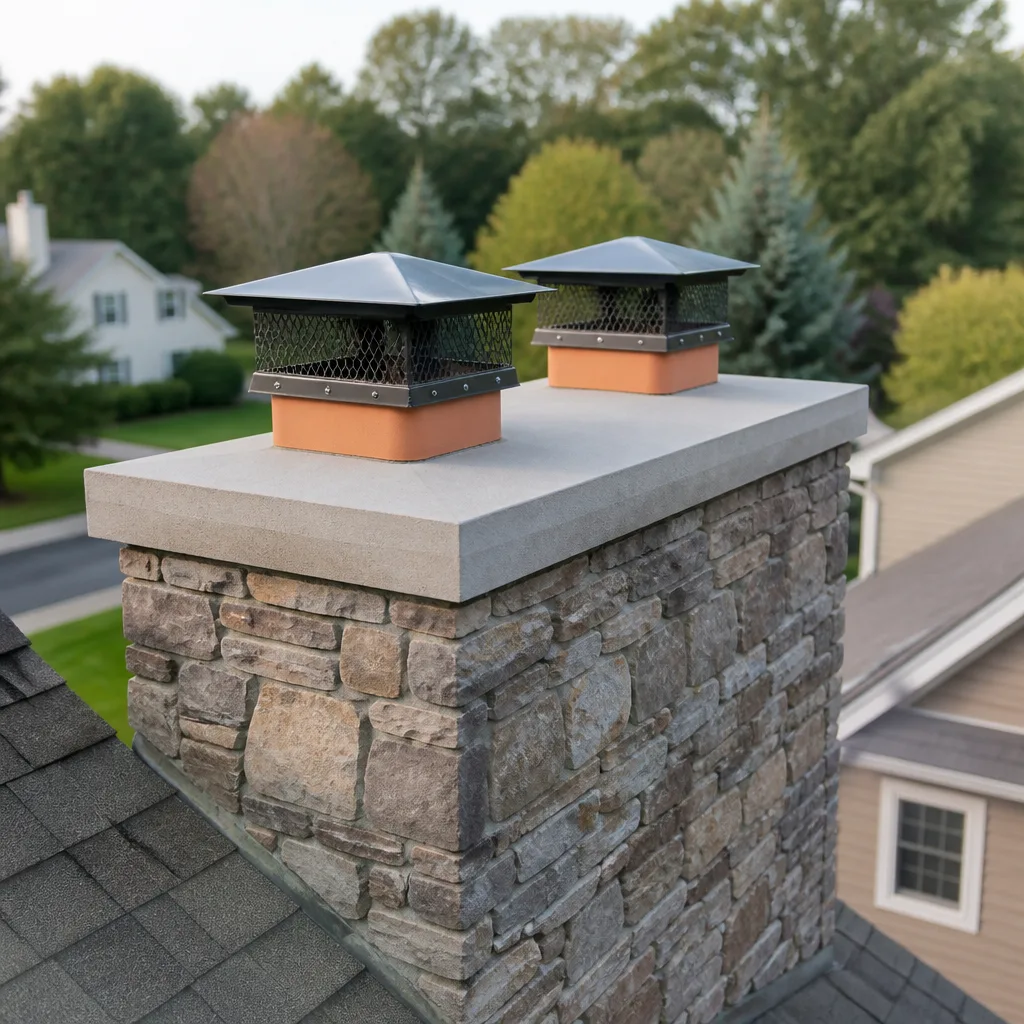 Caps & crowns
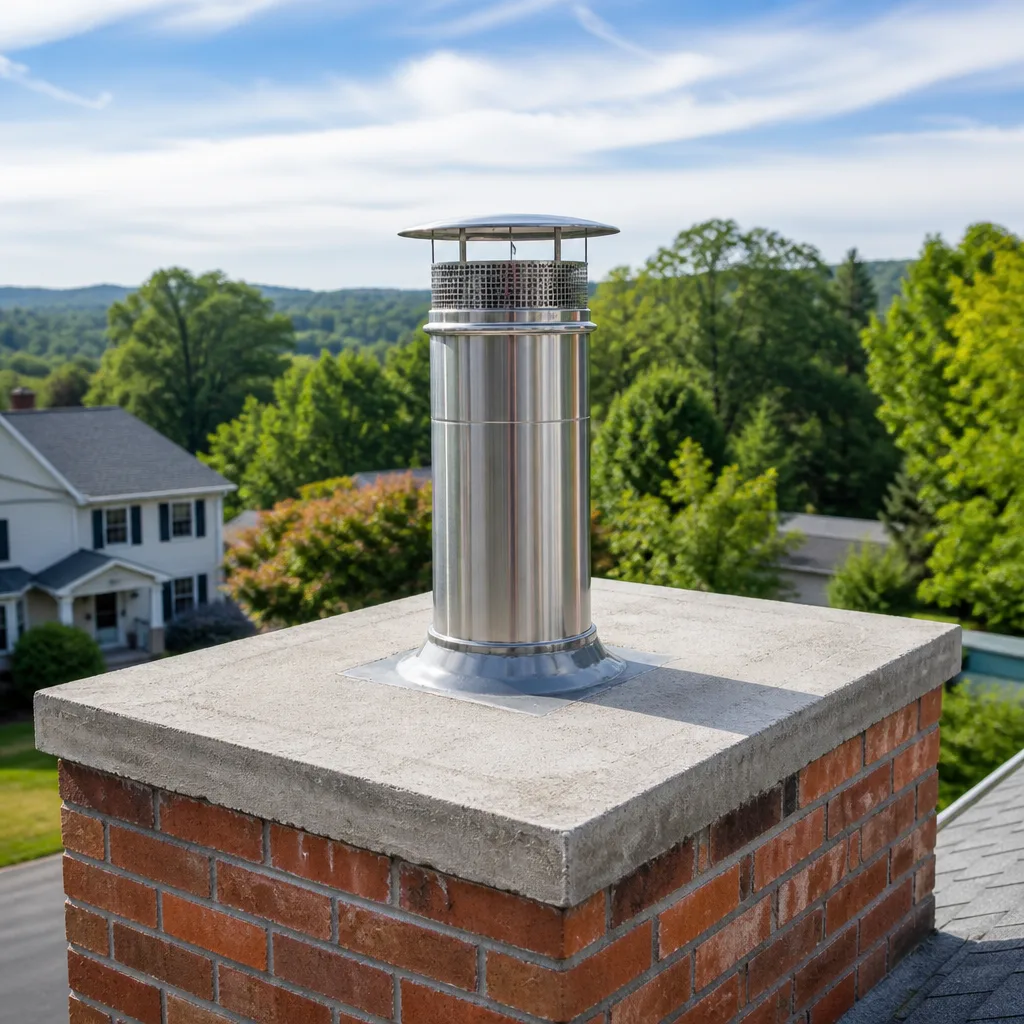 Flue relining
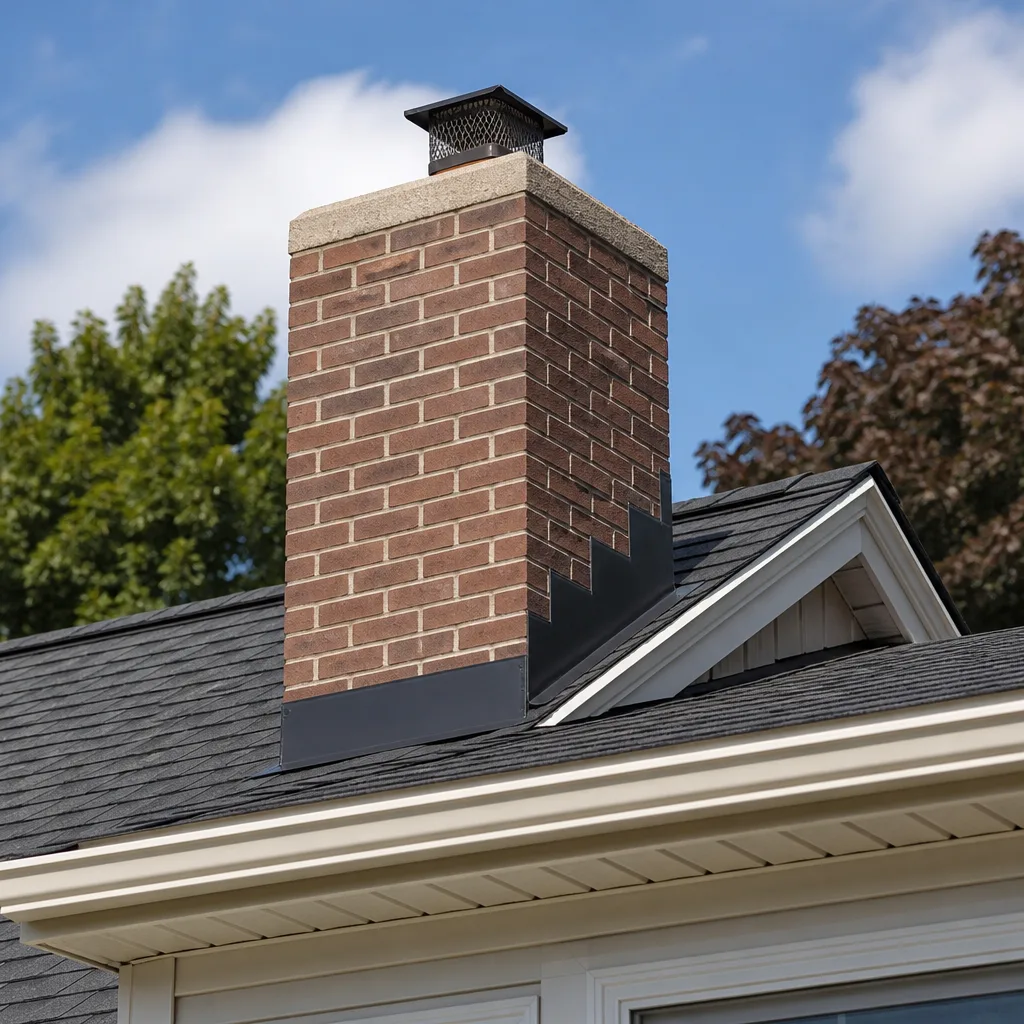 Masonry repair
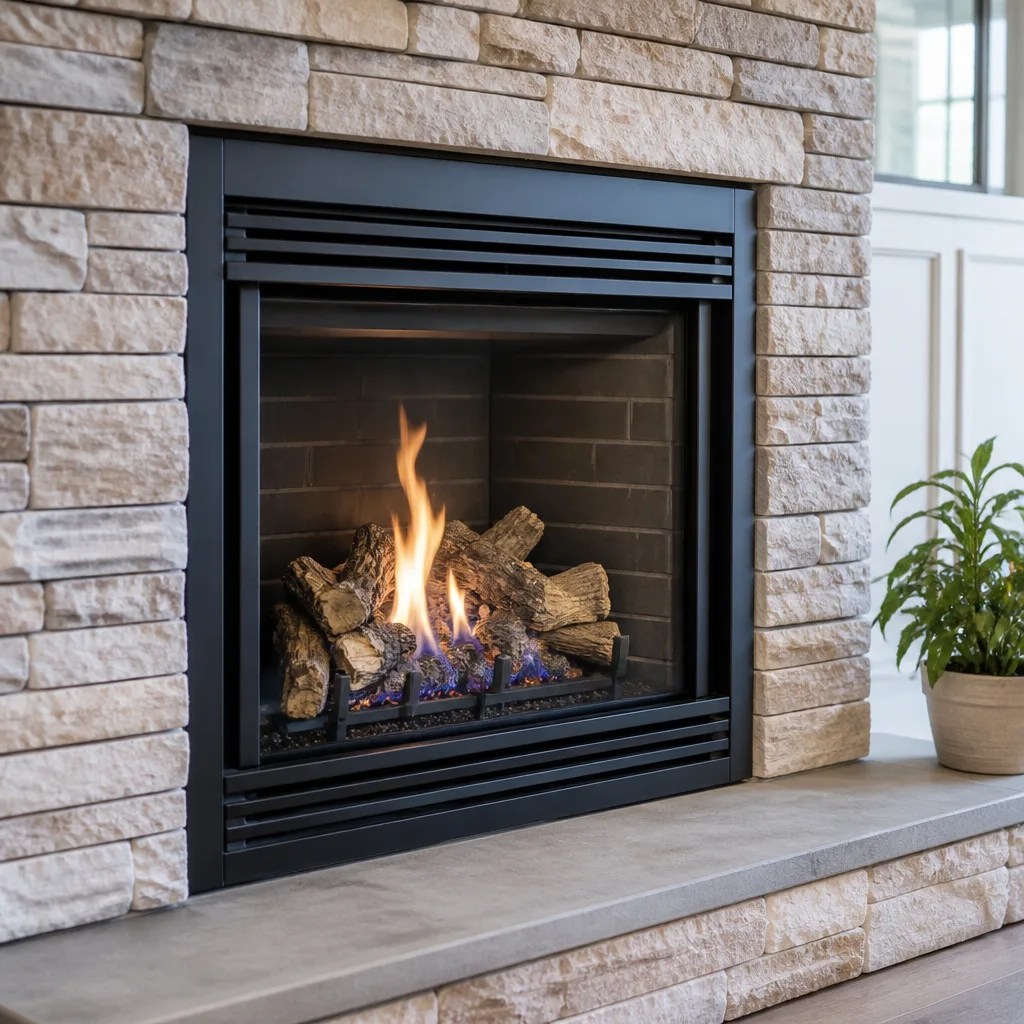 Gas fireplace service
Level 1 sweep and inspection to the NFPA 211 annual standard - flue, crown, cap, and flashing checked and photographed
Chimney sweep logs do not sweep chimneys. They loosen some creosote - which then falls where a brush and vacuum still have to collect it.
Chimney Sweep Troubleshooting: Common Problems and How to Fix Them
Here’s a counterintuitive starting point for anyone in Irvine troubleshooting a fireplace problem: most chimney issues have nothing to do with how clean the flue is. A smoking fireplace on a windy day, a musty smell in August, a draft that only appears when the furnace kicks on, those are structural, mechanical, or pressure problems that no amount of brushing will cure. If you can read what your chimney is telling you, you’ll know whether you need a sweep, a repair, or a different fix entirely. This guide walks through the symptoms homeowners actually report, what each one means mechanically, and which fixes are urgent, which can wait, and which you can handle yourself. For a deeper dive, see our Complete Chimney Sweep Guide for Irvine Homeowners. We’ve written it from our experience working on chimneys across Irvine, where coastal air, newer construction, and tightly sealed homes create a distinct set of failure patterns.
Styles & brands we work with
Quick Answer
Chimney problems fall into three root causes: deposit buildup (creosote or soot restricting the flue), structural damage (cracked crowns, missing caps, spalled brick, failed flashing), and pressure or draft issues (negative house pressure, undersized or oversized flues, blocked termination). The fix depends on which category you’re in. Before calling a sweep, do three things: shine a flashlight up the flue from inside the firebox, check the cap and crown from the ground with binoculars, and run a smoke test with a lit match near the damper to see which way air actually moves. If the problem is creosote or debris, a professional chimney sweep fixes it that day. If it’s a cracked crown or missing cap, the fix is a repair, not a cleaning. Knowing the difference saves you a service call.
Table of Contents
- Smoke Behavior: What Rollout, Lazy Drift, and Backdraft Actually Mean
- Creosote Smell in Summer: A Moisture Problem, Not a Cleaning Problem
- Draft Issues: Negative House Pressure vs. Flue Obstruction vs. Flue Sizing
- Three Safe DIY Checks Before You Call a Sweep
- Urgent vs. Can-Wait: A Clear Priority List, No Fear Tactics
- Water Leaks and Masonry Damage: The Irvine Moisture Factor
- Gas Fireplace Troubleshooting: What Sweeps Actually Find
- Dryer Vent Issues: The Other Exhaust System on Your Property
- Common Mistakes to Avoid
- When to Call a Professional
- Frequently Asked Questions
- The Bottom Line
Smoke Behavior: What Rollout, Lazy Drift, and Backdraft Actually Mean
Smoke is diagnostic data. The way it moves through your chimney tells you what’s happening mechanically, and learning to read it means you can identify the actual problem instead of assuming every issue is a dirty flue. In our experience working across Irvine, we see three distinct smoke behaviors that homeowners describe in different words but that mean very specific things.
Rollout is when smoke enters the room at the top of the firebox opening, usually when you first light a fire or open the doors to add wood. Smoke rolls out along the lintel and drifts into the living space. This is almost never a chimney blockage. Rollout typically means one of three things: the damper isn’t fully open, the firebox opening is too large relative to the flue (a sizing problem common in older Irvine homes where fireplaces were built for aesthetics more than function), or the house is pulling air so aggressively from elsewhere that the chimney can’t establish an upward draft. The smoke test we describe below tells you which one you’re dealing with.
Lazy drift is different. The smoke makes it into the chimney but doesn’t rise with any conviction; it hangs in the flue like it doesn’t want to leave. This is the classic creosote-buildup symptom. As the flue diameter narrows from deposits, the hot gases have less room to rise and slow down. In Irvine, where many homeowners burn softwoods like pine and fir from big-box stores, creosote formation happens faster than people expect, especially in exterior chimneys that run up the outside wall and stay cooler than interior ones.
Backdraft is the most misunderstood. Smoke pours into the room, usually in a sudden event, often accompanied by a smell like the fireplace is exhaling. Backdraft happens when the house is at negative pressure, meaning air is being pulled out of the home faster than it can be replaced. Exhaust fans, range hoods, clothes dryers, and the furnace all compete with the fireplace for makeup air. When the house is sealed tight (common in newer Irvine construction with double-pane windows and weatherstripping), the chimney becomes the path of least resistance. Air rushes down the flue to equalize pressure, bringing smoke with it. The fix here is rarely a sweep. It’s a make-up air solution, cracking a window near the fireplace, or in some cases installing a direct-vent unit that doesn’t draw from the living space. Our sister guides on Chimney Repair in Villa Park cover the physical fixes for chronic backdraft issues, including damper adjustments and flue re-lining.
How to Read the Different Smoke Behaviors
- Smoke rolls out at the top of the opening when you light or add wood: Damper not fully open, oversized firebox, or insufficient draft. Check damper first.
- Smoke is weak and hangs in the flue before drifting out: Creosote buildup is narrowing the flue. Sweep needed.
- Smoke pours into the room suddenly, especially with an exhaust fan running: Negative house pressure. This is a ventilation problem, not a sweeping problem.
- Smoke comes down the chimney in a gust when a door opens or the furnace starts: House is starved for air and the chimney is being used as a fresh-air intake.
- Smoke only appears when the wind blows from a specific direction: The chimney cap or crown is damaged, or the termination is too short relative to the roofline. This is a structural fix.
The last point deserves emphasis. If smoke rolls into your living room only when the wind blows from the east, your chimney doesn’t need cleaning, it needs a cap or crown repair. Wind-driven smoke is a termination problem. A properly capped and crowned chimney shrugs off directional wind. A damaged cap lets wind pressurize the flue from above, pushing smoke back down. Knowing the difference saves you a service call for a sweep that wouldn’t fix anything. Companies that stock and install real repair components, things like Famco caps and Copperfield dampers, can fix the actual problem in one visit.
Creosote Smell in Summer: A Moisture Problem, Not a Cleaning Problem
Every August, Irvine homeowners call us asking for a chimney cleaning because they smell a campfire or burnt barbecue inside the house when they haven’t used the fireplace in months. Here’s the part that surprises people: the smell isn’t a signal that you need a sweep. It’s a signal that you have a moisture problem.
Creosote is the condensed, baked residue from wood smoke. It coats the inside of your flue in layers that range from flaky to tar-like. Creosote doesn’t smell much when it’s dry. But the moment it absorbs moisture, whether from rain intrusion, a leaky crown, condensation from temperature swings, or the coastal humidity we get in Irvine, it releases a pungent smoky odor that fills the house. The smell is strongest in summer precisely because the temperature difference between the outside air and the chimney interior drives condensation cycles that activate the creosote’s odor compounds.
So yes, the creosote should be removed, and a thorough sweeping is part of the fix. But if you sweep the chimney and don’t address the moisture source, the smell returns. You’ve treated the effect, not the cause.
What Actually Causes Moisture in a Chimney
- Missing or damaged chimney cap: Without a cap, rain falls directly into the flue. Water runs down the creosote-coated walls and soaks the deposits. Copperfield and Famco make caps that fit properly and last; generic hardware store caps rarely match the flue dimensions and often blow off in Irvine’s Santa Ana winds.
- Cracked chimney crown: The crown is the concrete slab that caps the top of the chimney structure, surrounding the flue liner. Hairline cracks let water seep into the brick below. Over years, this water migrates into the flue and the smoke chamber, activating creosote odor.
- Failed flashing: Where the chimney meets the roofline, metal flashing seals the joint. When flashing fails, water runs down the chimney exterior and into the masonry, where it widens the gap and eventually dampens the flue interior.
- Condensation from an improperly sized flue: If the flue is larger than the appliance requires, exhaust gases cool too quickly, and condensation forms inside the flue. In moist air months along the Irvine coast, this is a year-round issue for gas appliances and occasional-wood-burners.
- Absorptive brick: Older brick, especially softer red clay brick common in some Irvine homes built in the 1970s and 80s, soaks up water like a sponge. Regular water repellent application, not a sealant, is the fix here.
The order of operations matters. Identify the moisture source first, then sweep, then repair. Our technicians in Irvine carry moisture meters and do a crown, cap, and flashing assessment as part of every sweep visit, because removing creosote without fixing the leak is like mopping a floor while the sink is overflowing. When we talk about chimney work from our Limestone Chimney Sweep home base in Irvine, the distinction we draw is simple: a sweep removes what’s there now. A repair stops what’s coming next.
Draft Issues: Negative House Pressure vs. Flue Obstruction vs. Flue Sizing
Homeowners use the word “draft” to describe three different problems. That linguistic overlap creates a lot of confusion, and it’s why two neighbors with identical symptoms might need completely different fixes. Draft issues break down into three mechanical categories: negative house pressure, flue obstruction, and flue sizing. Each presents differently, and each has a different fix.
Negative house pressure is the most common in Irvine, especially in homes built after 2000. These houses are tight by design. The home wraps itself in an envelope that resists outside air, which is great for energy efficiency and terrible for fireplace draft. Every exhaust appliance, the bathroom fan, the dryer, the kitchen range hood, the water heater, the furnace, pulls air out of the conditioned space. When the house can’t replace that air fast enough, it scavenges it from anywhere available, including the chimney. The result is a flue that fights itself, air trying to come down while smoke tries to go up. The smoke loses. You can test this in thirty seconds: open a window near the fireplace an inch or two and light the fire. If the draft improves immediately, you’ve confirmed negative pressure. The permanent fixes include adding a make-up air vent, installing a top-sealing damper, or converting to a direct-vent gas unit that draws outside air for combustion.
Flue obstruction is the draft problem most people assume they have. It means something is physically blocking or narrowing the flue passage. In Irvine, the usual suspects are creosote buildup (especially glazed, third-degree creosote that resists brushing), animal nests from raccoons or birds, and fallen brick or mortar from deteriorating masonry. A blocked flue doesn’t just weaken draft; it’s the chimney equivalent of a clogged artery. The chimney fire risk rises sharply as creosote volume increases and the passage narrows. Obstructed flues get swept the same day we find them.
Flue sizing is the category almost no one considers. The flue must be proportioned to the fireplace or appliance it serves. Too large, and the exhaust cools too fast, loses its upward momentum, and creates those weak, smoky fires that smell terrible and coat the flue in soot. Too small, and the flue can’t handle the volume of smoke the firebox produces, causing rollout at the opening. Sizing problems are structural and permanent; they’re corrected by re-lining the flue with a properly calculated diameter liner. We stock DuraFlex liners and install them based on the appliance’s actual BTU output and the flue’s height and configuration, not a guess.
Diagnosing Which Draft Problem You Have
- Open a nearby window or door: If the draft improves, it’s negative house pressure. If no change, keep going.
- Shine a flashlight up the flue from inside the fireplace: Look for narrowing, glossy black buildup, debris, or missing flue tiles. Any of those means obstruction.
- Measure the fireplace opening and check the flue’s interior diameter: The flue should be roughly one-tenth the area of the fireplace opening for a wood-burning masonry fireplace. Bigger isn’t better here.
- Have a professional run a chimney camera: A camera inspection sees past the smoke chamber and damper, down through the entire flue, and documents exactly what’s happening with photos. This is the fastest way to a definitive answer.
We use camera inspections as standard practice on every Irvine sweep visit, not as an upsell. You should be able to see what we’re seeing. Any contractor who can’t show you the inside of your own flue isn’t giving you diagnosable information.
Three Safe DIY Checks Before You Call a Sweep
Some troubleshooting you can do safely from the ground, without climbing on the roof and without putting yourself in the flue’s path. These three checks take about fifteen minutes combined and give you enough information to have an intelligent conversation with any chimney professional. They won’t replace a camera inspection, but they’ll tell you whether you’re calling about a cleaning, a repair, or a pressure issue.
Check 1: The Damper Test
Open the damper fully and look up from inside the firebox with a flashlight. You should see an open passage leading up, not a wall of black. With the damper open, light a rolled-up sheet of newspaper and hold it up inside the firebox, near the damper opening. Watch the smoke. It should be drawn upward and disappear into the flue within a second or two. If the smoke wavers, hangs, or pushes back into the room, you have a draft problem. Note which direction the smoke moves and whether it changes when you open a window. That observation alone narrows the diagnosis considerably.
Check 2: The Ground-Level Visual Inspection
Stand far enough back to see the entire chimney from the ground. Use binoculars. Look at the top of the chimney. Is there a cap? Does it sit square on the flue, or is it dented, rusted, or missing altogether? Look at the crown, the concrete surface around the flue tile. Do you see cracks, spalling, or a crown that’s separated from the brick? Look down the chimney’s sides. Do you see white staining (efflorescence), moss, or dark streaks? In Irvine’s climate, efflorescence signals water moving through the brick, and it’s the earliest warning sign of masonry deterioration. Look at the flashing, the metal where chimney meets roof. Is it lifted, rusted, or caulked over with a mess of old sealant? Each of these observations points to a specific repair need.
Check 3: The House Pressure Check
Run the clothes dryer, turn on the range hood, and close all the windows and exterior doors. Then hold a lit incense stick or a thin strip of tissue paper near the fireplace opening, with the damper open. Does the smoke or tissue get pulled into the room or into the fireplace? If it’s pulled into the room, your house is winning the pressure war against your chimney. If it’s pulled into the fireplace, the draft is at least partially functioning. For Irvine homeowners in newer developments near the Great Park or in Portola Springs, we see this test fail repeatedly, not because the chimney is dirty, but because the house is so well sealed. The fix is make-up air, not more sweeping.
None of these checks put you in harm’s way. Keep your feet on the ground or the firebox floor. The moment a check involves getting on the roof, disassembling anything, or working near the flue’s hot exhaust path, that’s no longer a DIY check; it’s a professional job. High-tension and high-heat chimney components aren’t worth the risk.
Urgent vs. Can-Wait: A Clear Priority List, No Fear Tactics
Not every chimney problem requires same-week service. Some do. The distinction matters, and we tell Irvine homeowners plainly, with reasoning, not pressure. Here’s what’s urgent and what can wait for a scheduled appointment.
Genuinely Urgent: Act Within Days
- You burned a fire and found unusual or heavy creosote. Third-degree creosote is a hard, glossy, baked-on tar that’s highly combustible. If you see it, the flue is at elevated risk of a chimney fire. Stop burning until it’s professionally removed.
- Birds or animals are active inside the chimney. Nests, droppings, and deceased animals are immediate obstruction hazards, and trying to smoke them out is both cruel and dangerous. The chimney needs cleaning and the termination needs screening.
- You smell gas near the fireplace when it’s off. This is not a chimney issue; it’s a gas line or valve issue. Turn off the gas supply and call a licensed gas professional immediately.
- Water is actively entering the house through the fireplace. If you can see drips during rain, the flashing or crown has failed, and every storm makes the problem worse. Water damage compounds.
- You burned a chimney fire. Even if it seemed to burn itself out, the extreme heat may have cracked flue tiles or weakened the masonry. The chimney is not safe to use until it’s inspected by camera.
Can Wait for a Scheduled Appointment
- Mild creosote smell in summer, no visible water damage. A sweep and a moisture-source assessment will resolve this, but it’s not an emergency. Book it before burning season.
- Minor efflorescence on the brick. It’s a sign of water movement, but if it’s early, you have time before it becomes spalling. Still, address it this year.
- A slightly lazy draft that improves when you open a window. This is a pressure issue. Burn with a window cracked until you get a proper make-up air solution, and then have it addressed.
- Routine annual sweeping. Best scheduled before fall in Irvine. October and November book fast as people prepare for the few months of fireplace weather we actually get.
- A gas fireplace that lights but has a weak or orange flame. This often means dust, spider webs, or minor soot in the burner ports. It needs a clean, but it’s not a stop-using-the-appliance situation unless you smell gas.
The reasoning behind every item on the urgent list is the same: either a present fire risk, active water intrusion, or a gas hazard. Everything else is a scheduling decision. We’d rather tell an Irvine homeowner “this can wait until October” than manufacture urgency. Trust in a safety trade is built on honesty, not fear. And when a homeowner calls us and we say something can wait, they call us back when something is urgent.
Water Leaks and Masonry Damage: The Irvine Moisture Factor
Irvine sits in a coastal climate zone, and while our rainfall totals are modest compared to northern California, we have two factors that make moisture a persistent enemy of masonry chimneys: the marine layer and the occasional winter storm system that dumps a season’s worth of rain in a few days. Add in the thermal swings between warm days and cool nights, and the brick-and-mortar shell of a chimney undergoes a continuous cycle of expansion and contraction that, over decades, slowly opens cracks and lets water in.
Once water enters a masonry chimney, it doesn’t just evaporate. It migrates. It travels through the porous brick, freezes during rare cold snaps (freeze-thaw cycling is less common in Irvine than inland, but it happens in the foothills), dissolves the lime in the mortar, and carries salts to the surface where they bloom as white efflorescence. The progression is predictable: hairline crack in the crown, to water ingress, to spalled brick faces popping off, to structural weakening. Early intervention stops the chain. Ignoring it means a full chimney rebuild at some point, and that’s a five-figure project in the Irvine market.
The materials that go into a proper repair make a real difference in how long the fix lasts. We install Gelco flashings and crown repair systems because they’re engineered for this climate, not because they’re the cheapest on the shelf. The Irvine homeowner who gets a proper cast-in-place crown, a correctly sized copper or stainless steel cap from Famco or Copperfield, and quality flashing gets a chimney that stays dry for twenty or thirty years. The homeowner who gets a caulk-and-patch job gets to call us again in two years, and that’s not a business model we’re interested in.
We cover masonry repair and water intrusion in depth in our guide on Chimney Repair in Villa Park, where the same coastal moisture patterns affect chimneys just a few miles from our Irvine base. The principles are identical; the local climate is the shared variable.
Gas Fireplace Troubleshooting: What Sweeps Actually Find
Gas fireplaces don’t produce creosote, but they still need service, and the problems they develop are distinct from wood-burning systems. In Irvine, gas fireplaces are common in both new construction and renovated older homes, and many homeowners assume a gas unit is “maintenance-free.” That assumption is wrong, as anyone who’s ever gone to light their fireplace on the first cold evening in December and been met with a weak orange flame or a no-start knows.
Weak flame that doesn’t look right. The burner ports under the fake logs are small, and they fill with dust, pet hair, and the kind of fine particulates that float around any Irvine home. When enough ports clog, the flame pattern becomes uneven, weak, and orange instead of the crisp blue-and-yellow you expect. The fix is a thorough burner cleaning, something a sweep should do while also cleaning the glass, checking the valve operation, and testing the system’s safety interlocks.
The fireplace lights but then goes out. This is usually a thermocouple or pilot-assembly problem, but it can also be caused by a blocked vent termination. Spiders love small orifices, and some species build dense enough webs inside vent caps to restrict exhaust flow. If the exhaust can’t get out, the draft proving switch won’t stay closed, and the system shuts down. The fix starts with clearing the termination and the vent run.
Soot on the glass. Black film on the inside of the glass usually means the air-to-fuel ratio has drifted. It can be as simple as the logs positioned incorrectly, blocking the flame and creating a fuel-rich burn, or as involved as a vent restriction or a failing pressure regulator. A professional cleaning with proper log repositioning solves most cases.
Odor from the fireplace when it’s running. Sometimes it’s dust burning off after a long idle period, and that resolves in a few minutes. But if the smell persists, it can indicate incomplete combustion or a vent problem, and that should be checked by a technician who can measure combustion and verify the vent is clear end to end.
Our Chimney Sweep in Villa Park service includes gas fireplace cleaning, and the process is the same whether the unit is in Villa Park or Irvine: disassemble the logs, clean the burners, clear the pilot assembly, check the vent, and reassemble with the logs in the manufacturer’s exact positions. The difference between a gas fireplace that works and one that frustrates is usually about thirty minutes of detailed attention most companies skip.
Dryer Vent Issues: The Other Exhaust System on Your Property
A dryer vent is a chimney. It’s an exhaust system for hot, moist, lint-laden air, and it fails in predictable ways. The fact that most people never think about it until the dryer takes two cycles to dry a single load is exactly the problem. In Irvine, where master bedroom suites often put the laundry room deep in the house, dryer vent runs are longer than average, with more elbows and more places for lint to accumulate.
The symptom is simple: clothes take longer to dry, the dryer feels hot to the touch on the outside, and you can smell a musty or burning smell when it’s running. The cause is almost always lint accumulation restricting the vent. Lint trapping hot, moist air inside the duct creates the ideal environment not just for inefficiency, but for fire. Clothing dryer fires are one of the leading appliance fire causes nationwide, and the vast majority are preventable with simple vent cleaning.
The fix is a professional dryer vent cleaning, which means running a rotating brush through the entire vent run from the dryer to the exterior termination, then verifying the airflow with a calibrated gauge. In an Irvine home with a 15- or 20-foot vent run, this is not a DIY job with a vacuum cleaner. Professional equipment reaches the full length of the duct. Our technicians provide Dryer Vent Cleaning in Villa Park and throughout the Irvine area, and every visit includes checking the exterior termination flap, the duct connections, and the dryer’s internal exhaust path.
Dryer vent cleaning belongs in a chimney troubleshooting guide because the two systems share a failure mode: inadequate airflow management. Both are exhaust systems that move hot, particle-laden air through your house, and both need to be kept clear. We treat them as related safety services, not afterthoughts.
Common Mistakes to Avoid
- Sweeping without diagnosing. If the problem is a cracked crown or negative pressure, a sweep won’t fix it, and you’ll have paid for a service that doesn’t resolve your complaint. Diagnose first.
- Using the fireplace as a trash incinerator. Burning cardboard, wrapping paper, or household waste in the fireplace creates excessive creosote, releases toxins, and voids the terms of most chimney safety standards. Burn seasoned hardwood only.
- Sealing the flue entirely with a top damper and then being surprised when the fireplace smells. Chimneys need to breathe. Fully sealing them traps moisture and accelerates masonry deterioration. Ventilation, not total seal, is the goal.
- Ignoring a “small” leak. In Irvine’s climate, a minor water issue becomes a significant masonry problem within a few years. The cost curve is steep and unforgiving.
- Skipping annual sweeps because you only burn a few times a year. Infrequent burning doesn’t mean no buildup; it can mean seasonal condensation cycles that actually make creosote stick more. Annual inspection is the standard regardless of usage volume.
- Trusting a chimney cleaning quote that’s suspiciously low. Proper sweeping involves drop cloths, HEPA vacuums, brush sizing, and a full inspection. If someone can do it in twenty minutes for a rock-bottom price, they’re not sweeping the flue properly.
- Ignoring dryer vent performance. A dryer that takes two cycles is telling you something. Waiting until it becomes a fire hazard is the wrong strategy.
When to Call a Professional
Call a professional when the problem involves anything beyond what you can safely see and assess from the ground: water intrusion, animal activity, gas odors, smoke behavior you can’t correlate to a draft issue, or any doubt whatsoever about the fire readiness of your flue. A chimney professional with a camera can show you the inside of your flue, explain exactly what’s there, and fix what’s fixable. Limestone Chimney Sweep offers free estimates in Irvine. Call (855) 341-5439 to schedule a sweep, a camera inspection, or a repair assessment. The estimate costs nothing, and you’ll get a direct answer about whether you need service now or can schedule it when convenient.
Frequently Asked Questions
Annually, regardless of how often you burn. The National Fire Protection Association recommends an annual inspection and cleaning as needed. In Irvine’s coastal air, even an idle chimney collects moisture and debris through the cap, so the once-a-year standard applies whether you burn three fires a season or fifty.
A standard sweep and inspection in Irvine typically runs between $150 and $300, depending on the flue type, roof access, and whether additional services like camera inspection or cap replacement are added. Call (855) 341-5439 for a free, itemized estimate before booking; you should never sign up for a sweep without knowing the total price up front.
Creosote that’s become saturated with moisture smells like a mix of burnt wood, tar, and old asphalt after rain. If you smell it strongly in the summer when the fireplace hasn’t been used, it indicates moisture has activated the deposits, and both the creosote and the moisture source need to be addressed.
You can inspect it from the ground, but we don’t recommend DIY sweeping for masonry chimneys. Doing it properly requires brushes sized to the flue, HEPA-grade dust management, roof access on a structure that isn’t designed for foot traffic, and the trained eye to catch damage while you’re working. The risk of injury and missed problems isn’t worth the money you’d save.
Rain falling into an uncapped or improperly capped flue saturates the creosote on the flue walls, releasing smoke odors into the house. The fix is to install a properly fitted cap, repair the crown if needed, and then have the flue swept to remove the saturated deposits. In Irvine’s winter rain patterns, this is one of the most common complaints we field between December and March.
Gas fireplaces produce no creosote and no flying sparks, which removes two major fire risks. But they’re not maintenance-free. They still need annual inspection for vent blockages, burner cleanliness, and correct log positioning. We treat gas fireplace service with the same thoroughness as wood-burning sweeps, because most gas fireplaces in Irvine haven’t been touched since the day they were installed.
The Bottom Line
Chimney problems have root causes, and the root causes fall into a small number of mechanical categories: deposit buildup, structural damage, and pressure or draft imbalance. Smoke behavior, odor presence, water staining, and draft response are diagnostic signals that point to which category your problem lives in. A homeowner who can read those signals gets the right fix on the first call. A homeowner who treats every symptom as “I need a cleaning” sometimes gets lucky, and sometimes spends money on a sweep while the actual problem gets worse. In Irvine, where coastal moisture and tight new construction create distinct failure patterns, the distinction matters. Learn the symptoms, do the safe checks, call with intelligent questions, and fix the cause. Limestone Chimney Sweep is here when you need us. Call (855) 341-5439 for a free estimate in Irvine.
Written by the team at Limestone Chimney Sweep, serving Irvine since 2014. Explore more guides & resources on our blog.
See the difference
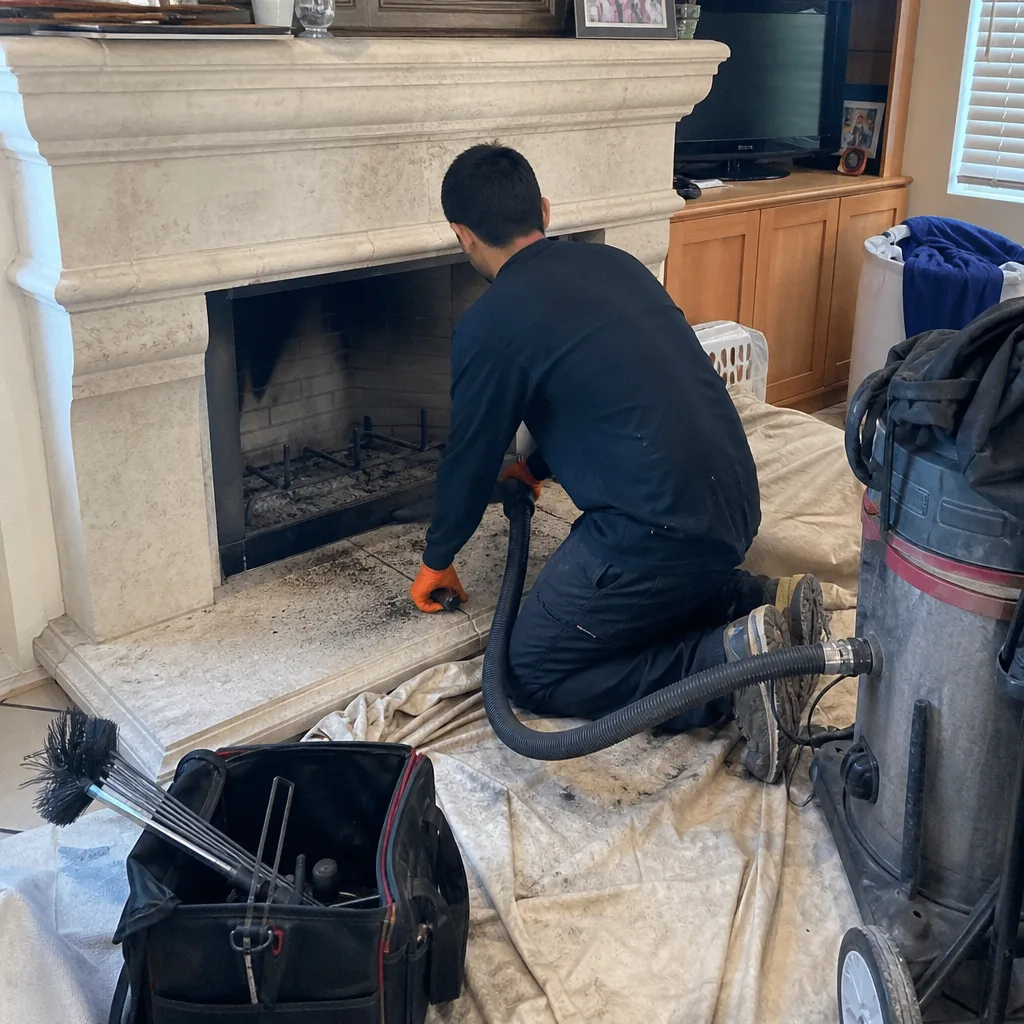 Before
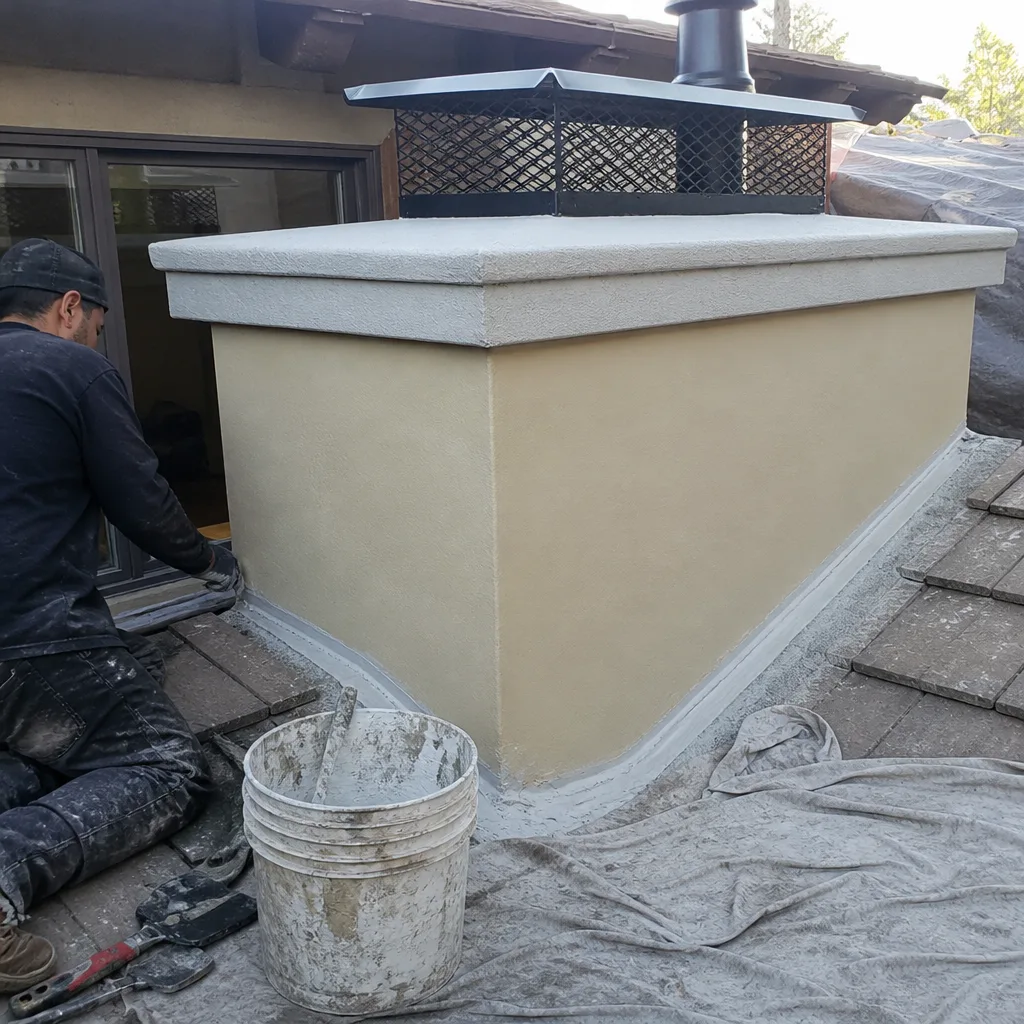 After
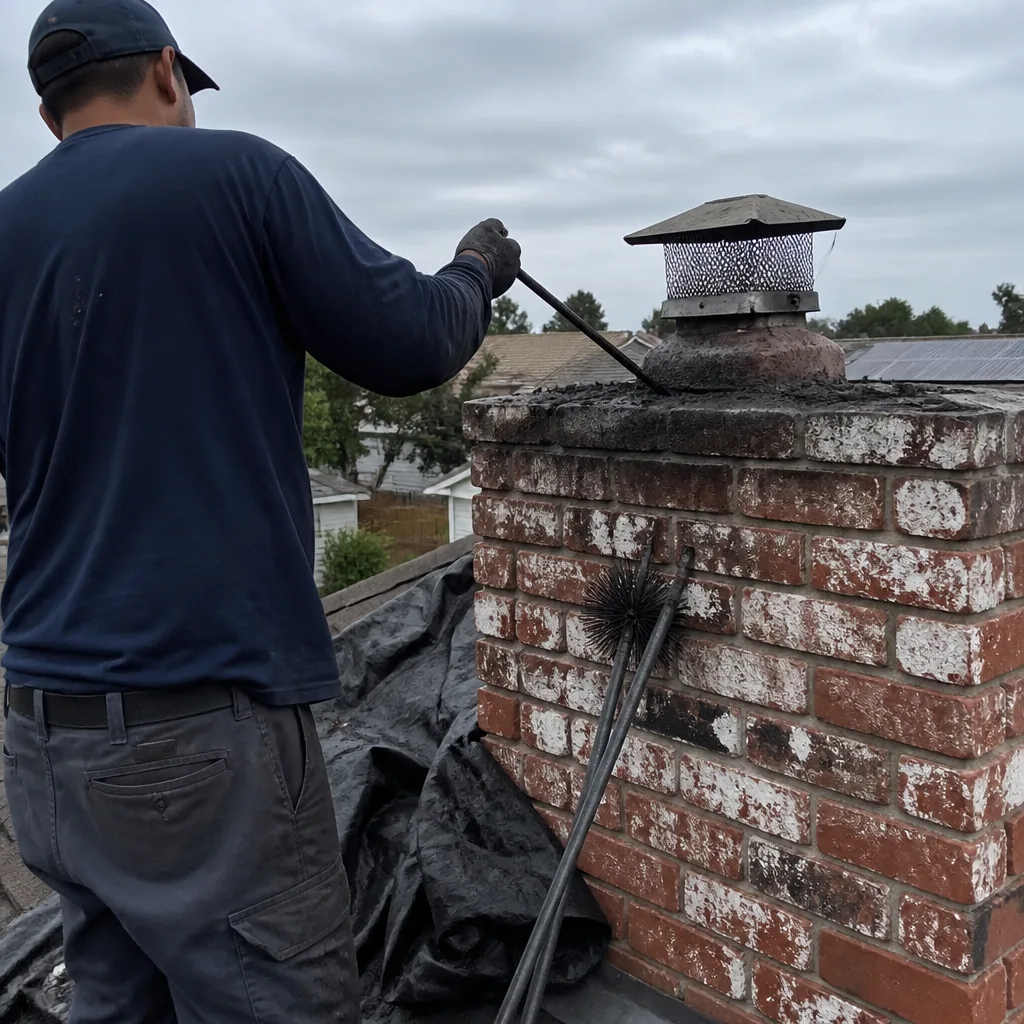 Before
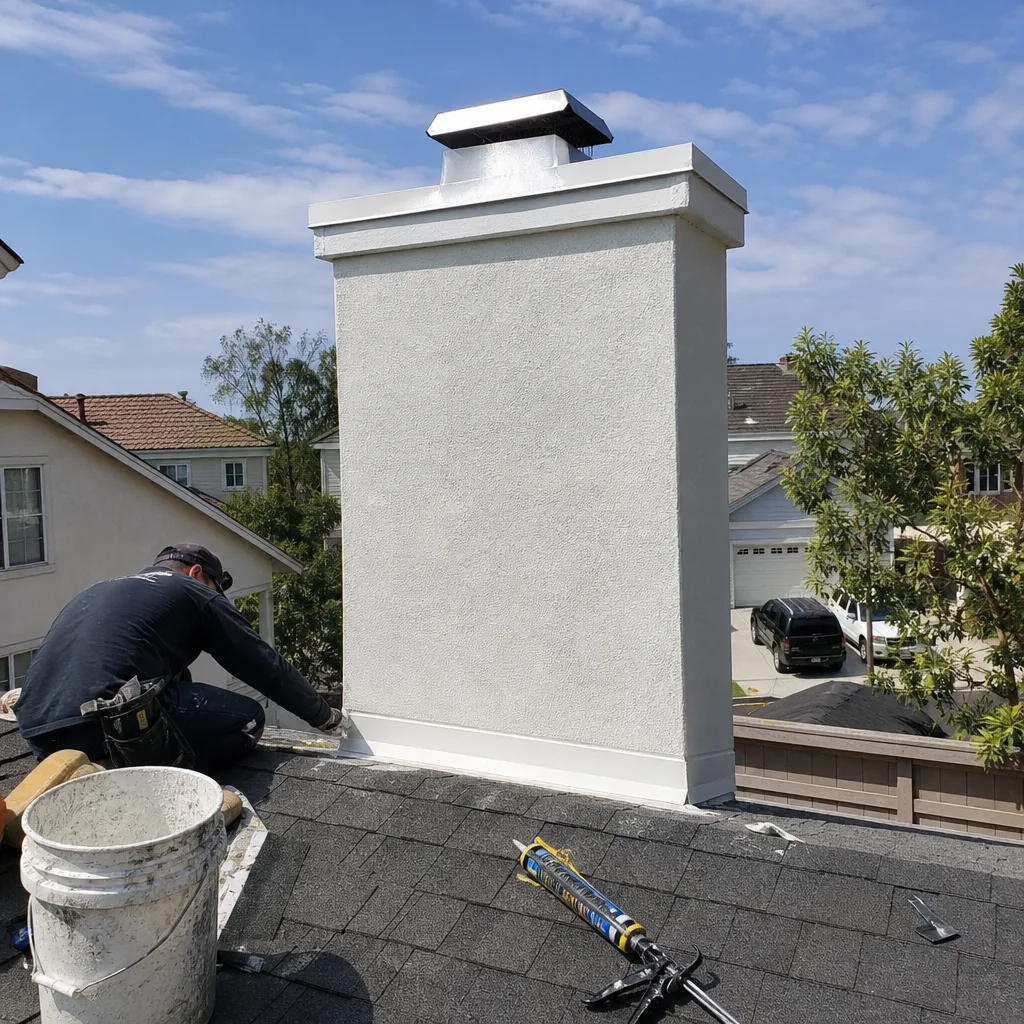 After
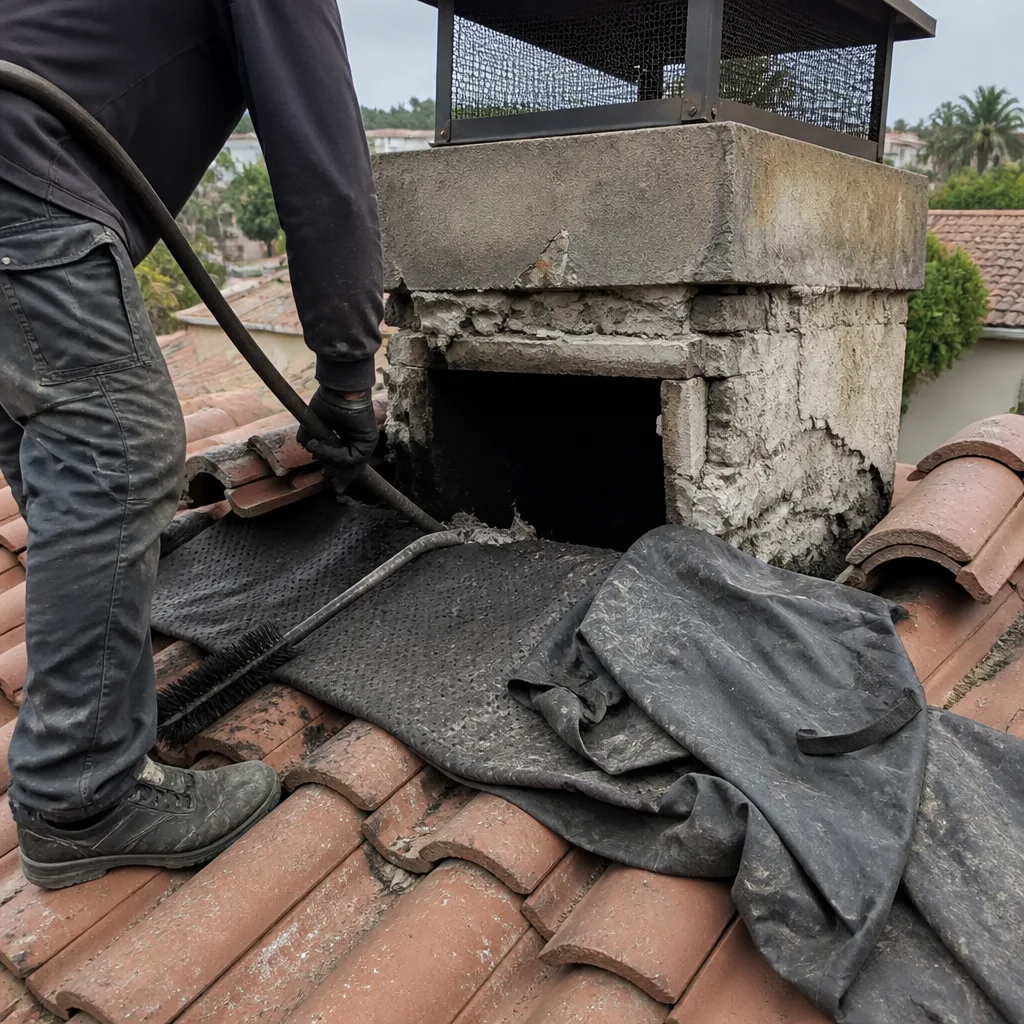 Before
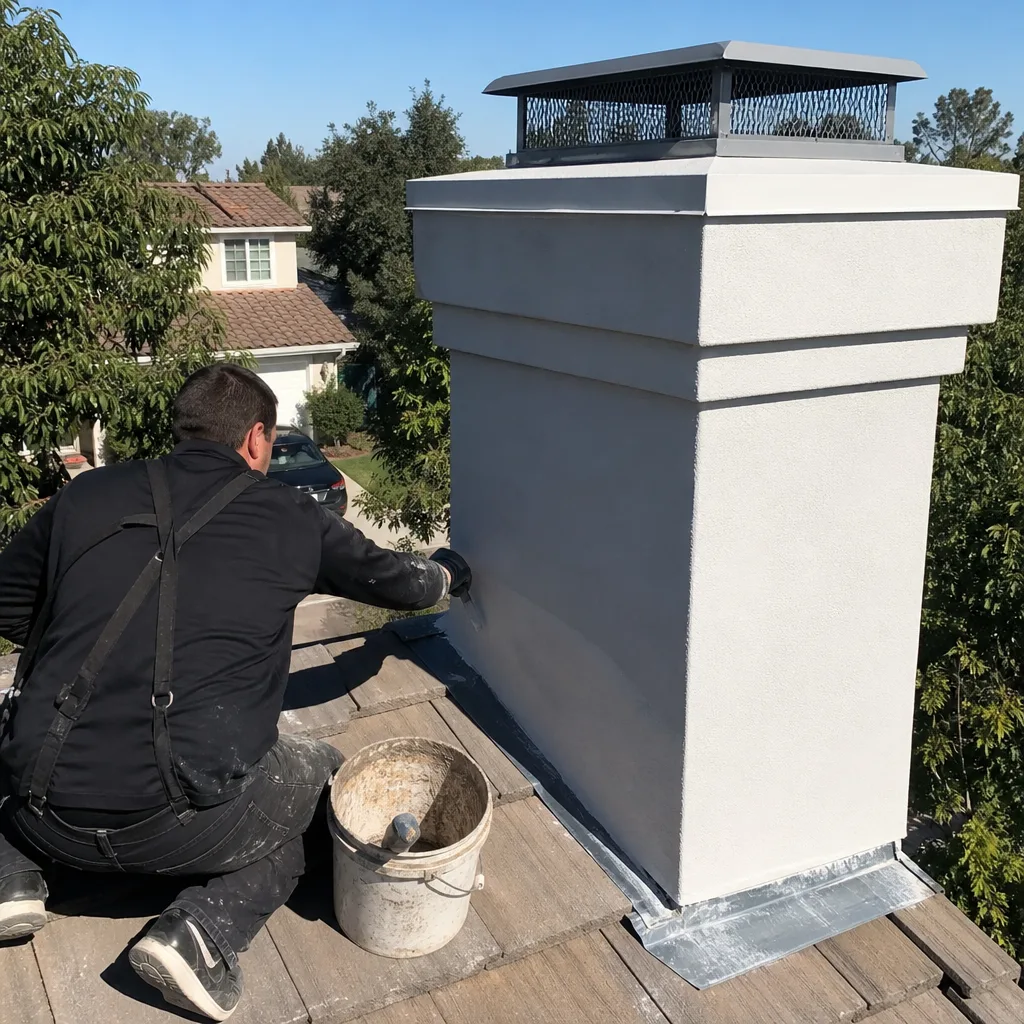 After