
Last updated October 30, 2026
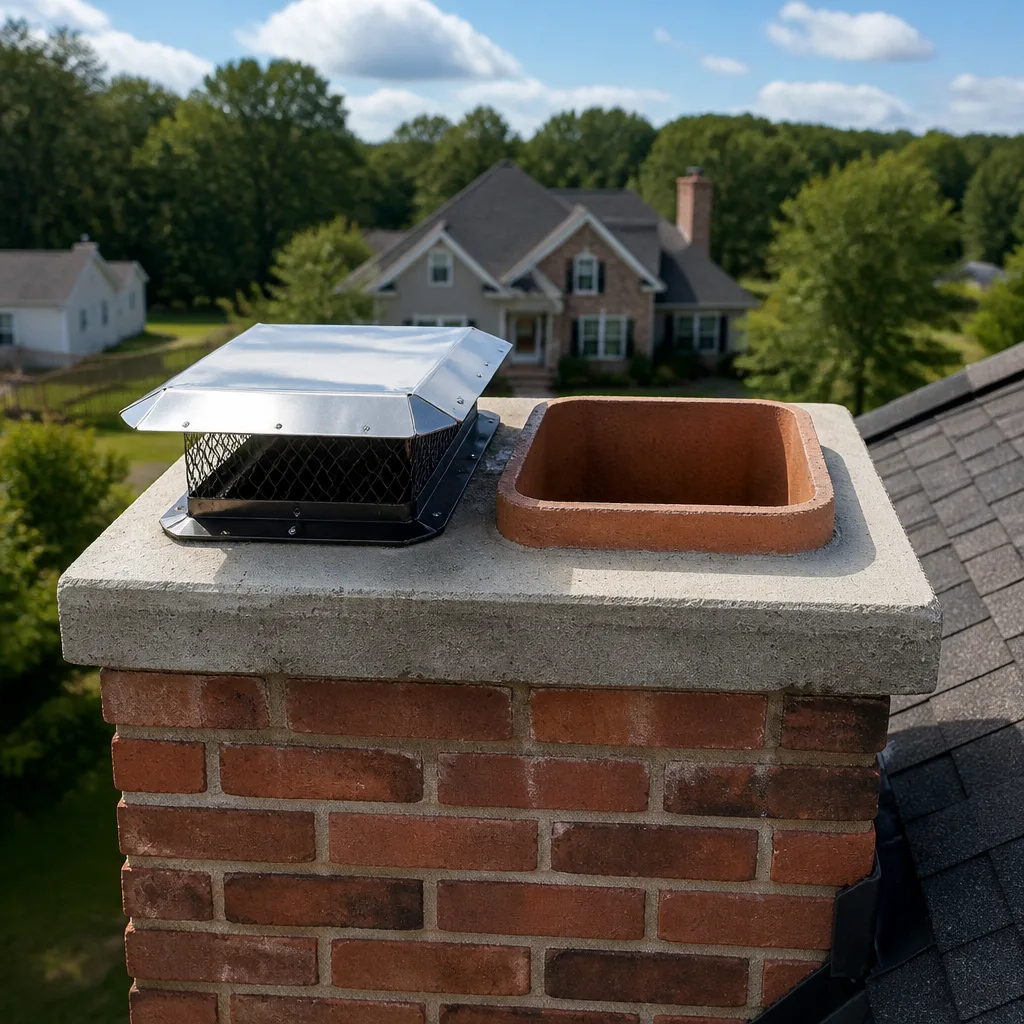 Sweep & inspection
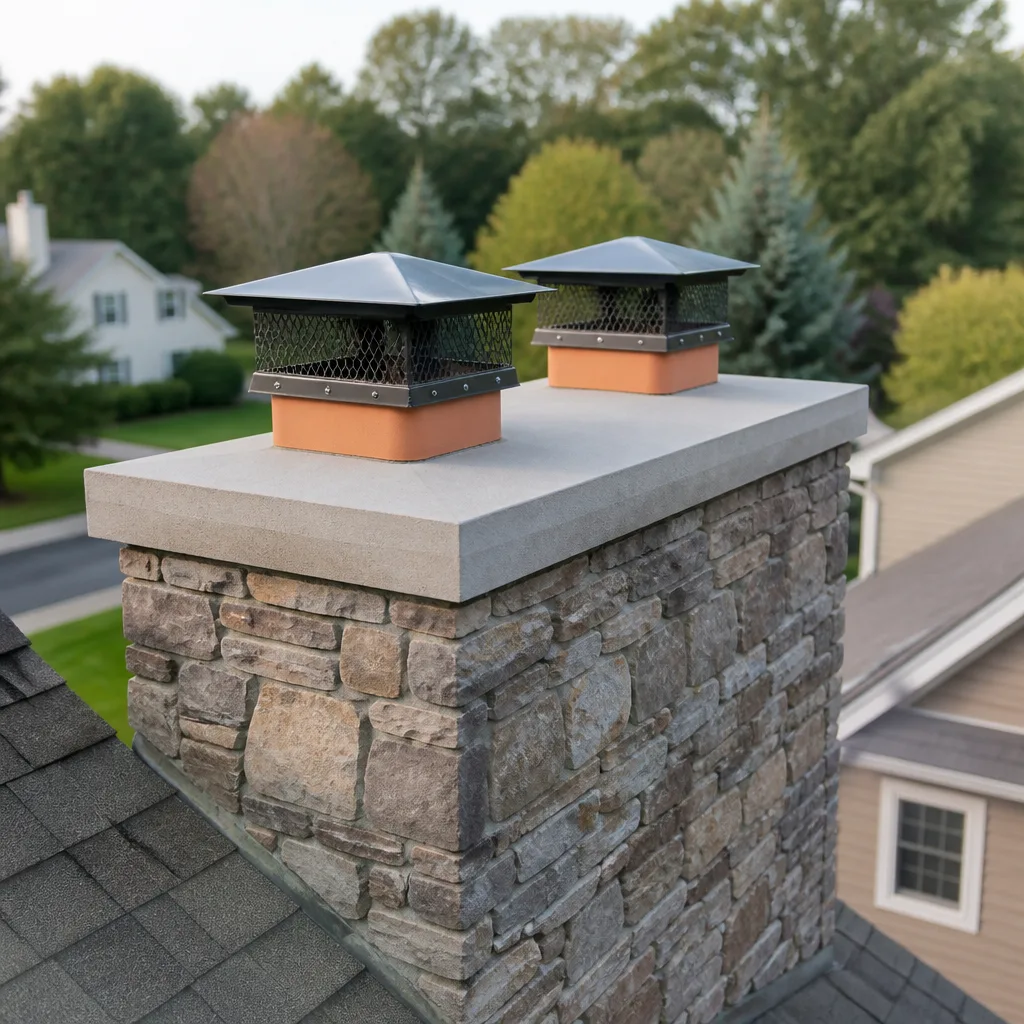 Caps & crowns
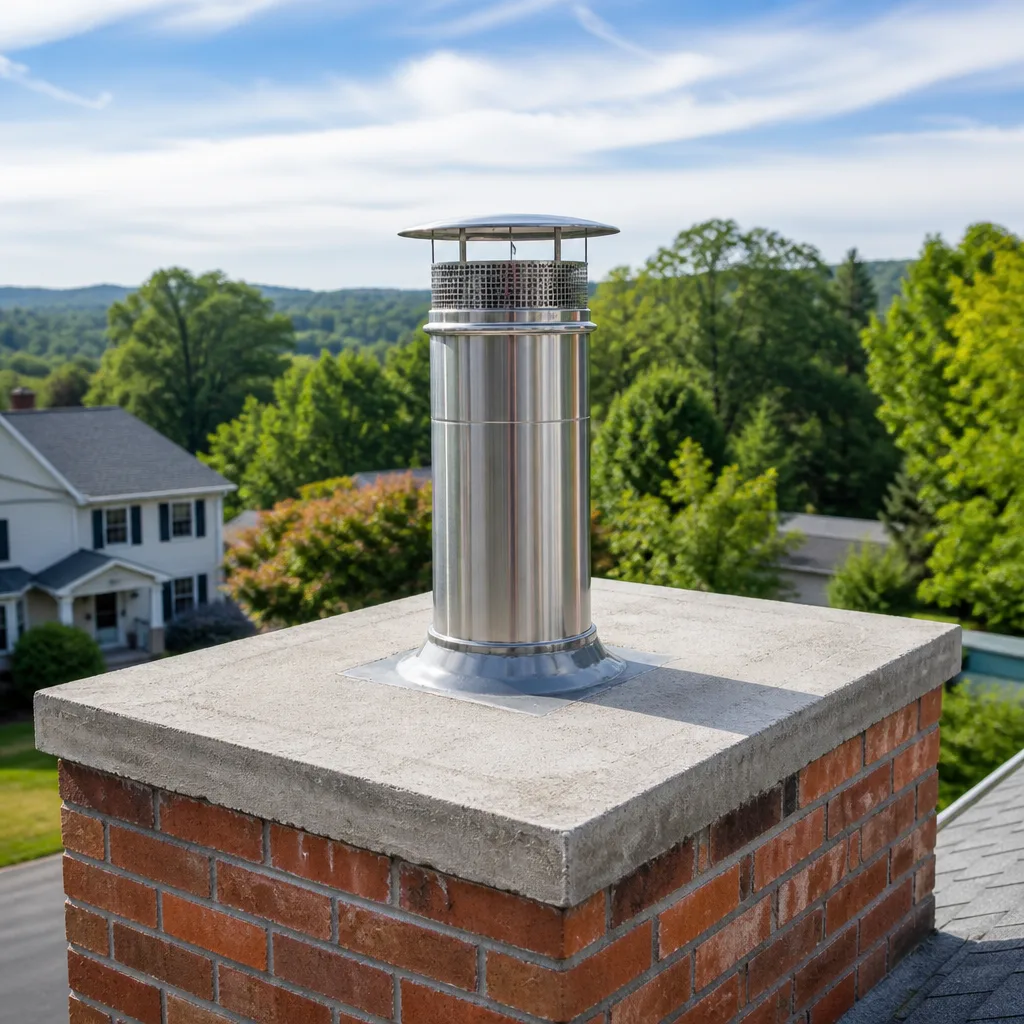 Flue relining
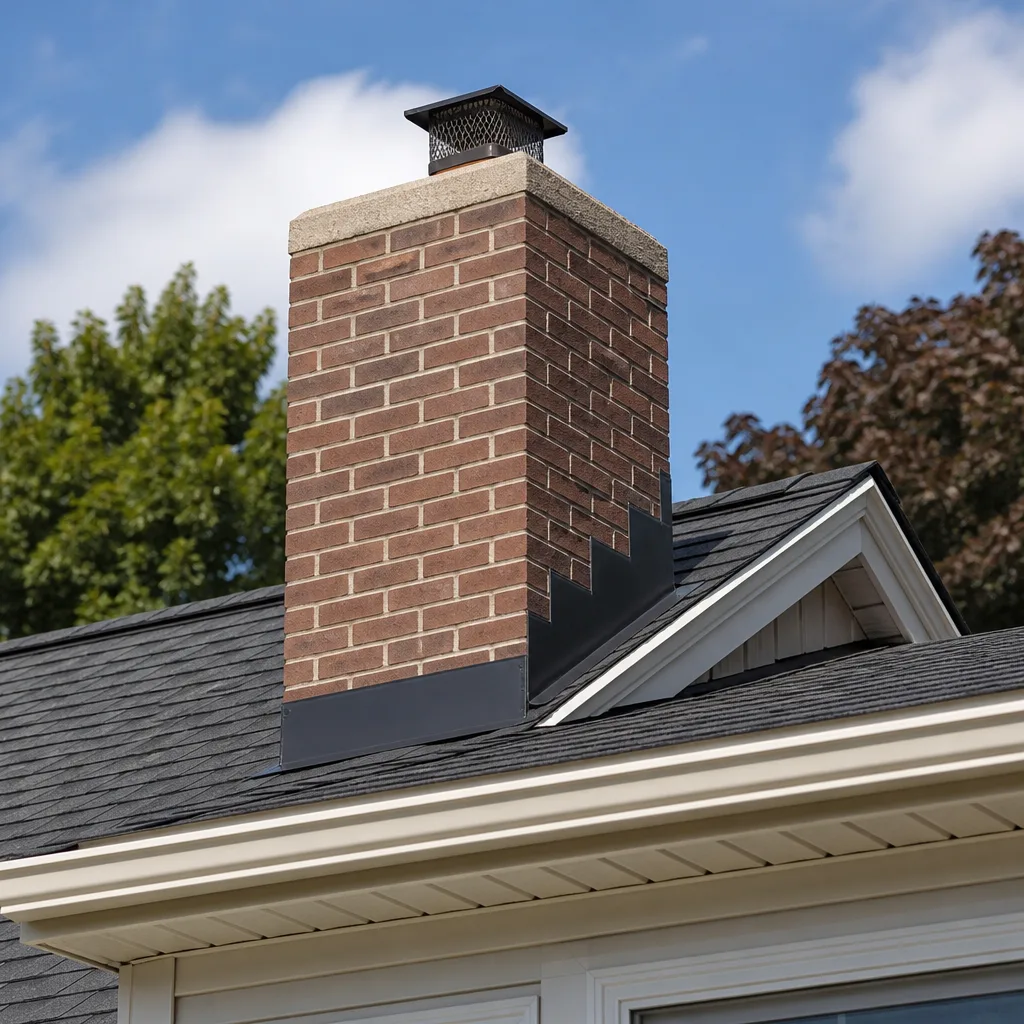 Masonry repair
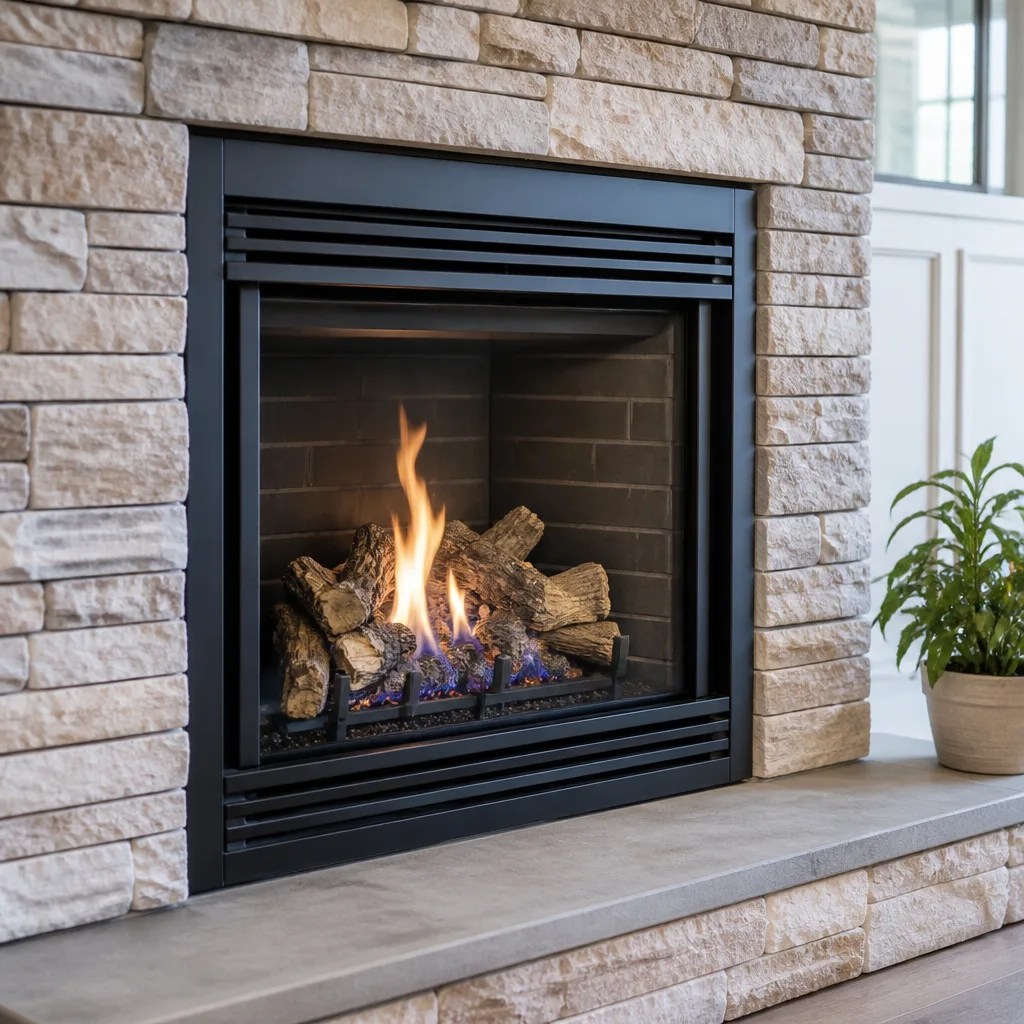 Gas fireplace service
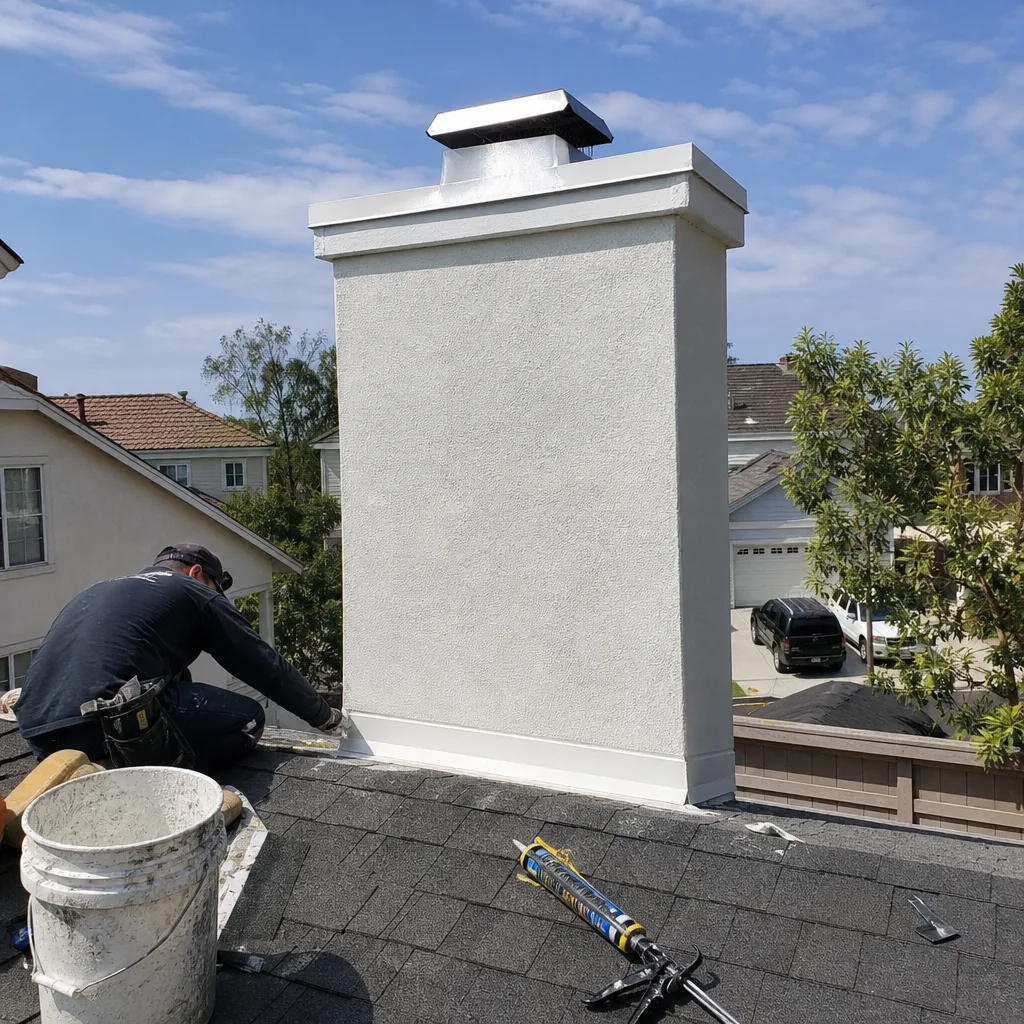
Level 1 sweep and inspection to the NFPA 211 annual standard - flue, crown, cap, and flashing checked and photographed
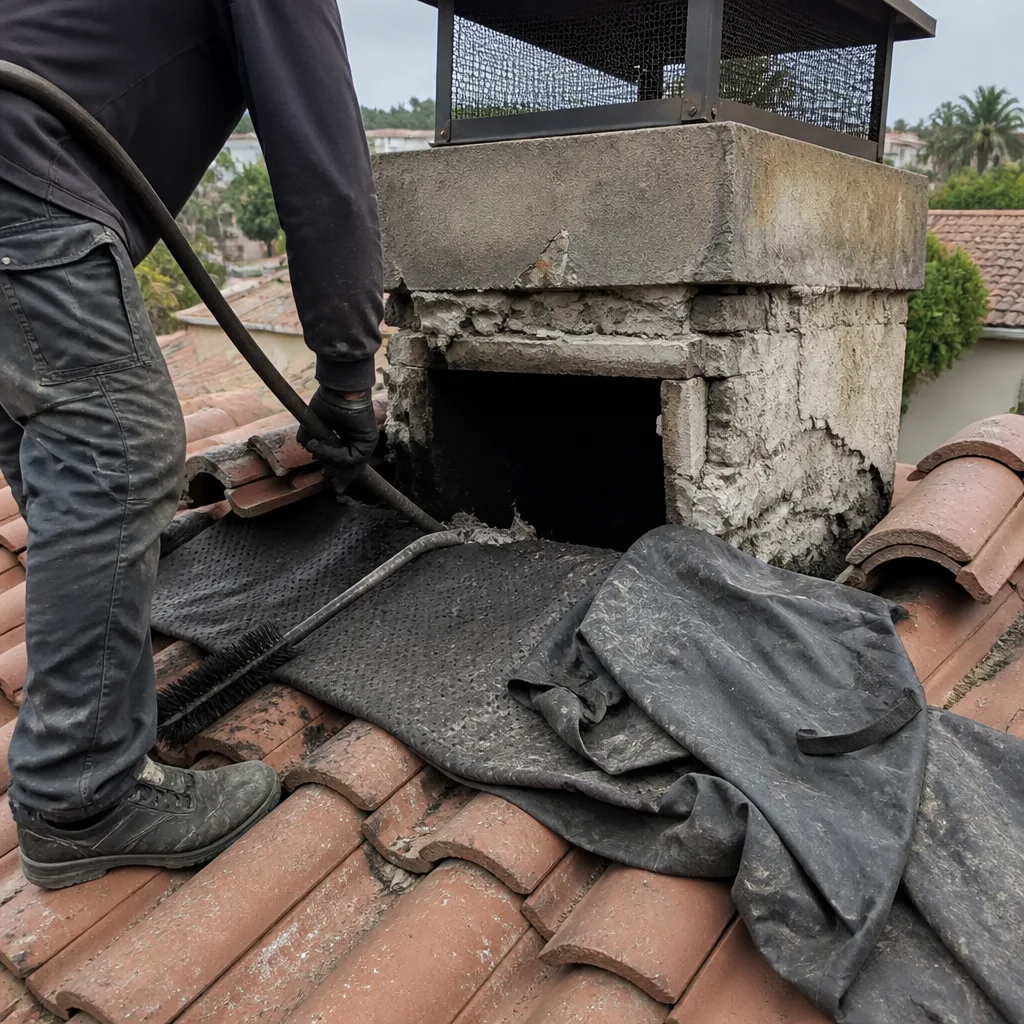
Chimney sweep logs do not sweep chimneys. They loosen some creosote - which then falls where a brush and vacuum still have to collect it.
How to Hire a Chimney Cleaning Contractor in Irvine: A Step-by-Step Guide
A five-star Yelp rating doesn’t tell you whether a chimney sweep carries CSIA certification, is licensed as a C-61 contractor in California, or knows the difference between Stage 2 creosote and Stage 3. Yet these are the factors that determine whether your chimney is actually safe after the crew packs up and leaves. Irvine homeowners face a market where smooth-talking sales reps and genuinely qualified specialists can look nearly identical at first glance. This guide gives you a contractor evaluation framework grounded in verifiable credentials and specific local knowledge, not polished review pages. By the time you finish reading, you’ll know exactly what to ask, what to verify, and what to walk away from in Irvine.
Styles & brands we work with
Quick Answer
To hire a chimney cleaning contractor in Irvine, verify two things before you book: a current CSIA Certified Chimney Sweep credential you can confirm on the CSIA registry, and a California C-61 Limited Specialty contractor license with the Contractors State License Board. Then ask for a written scope of work that specifies a full Level 1 inspection, a written condition report with photos, and itemized pricing before any cleaning begins. The right contractor is one who diagnoses what your chimney actually needs rather than treating every job as a routine brush-and-go.
Table of Contents
- Why the Irvine Chimney Market Rewards Skepticism
- California Licensing: The C-61 Contractor Requirement
- The CSIA Credential: What It Verifies and What It Doesn’t
- The Right Questions to Ask Before You Book
- Red Flags Specific to the Orange County Market
- How to Compare Written Quotes Accurately
- Common Mistakes to Avoid
- When to Call a Professional
- Frequently Asked Questions
- The Bottom Line
Why the Irvine Chimney Market Rewards Skepticism
Irvine has a particular chimney service landscape. The city’s housing stock splits into roughly two eras: original ranch and two-story homes built from the 1960s through the 1980s, and newer developments where fireplaces are often gas or decorative rather than wood-burning. That split means a contractor working in Irvine encounters a wide range of chimney conditions, from decades-old masonry with hidden deterioration to prefabricated units that need a different inspection approach entirely. Not every crew in Orange County has the training to service both.
What we’ve seen in our work across Irvine is that the low-bid crews tend to treat every chimney as if it’s a routine sweep, regardless of what’s actually inside the flue. That approach fails the moment a chimney has Stage 3 creosote (a hardened, tar-like glaze that standard brushes cannot remove), a cracked flue liner, or a damaged damper. When a cleaning-only crew encounters conditions like these, they face a choice: tell you the truth and lose the “cleaning” fee, or scrub what they can and leave the actual hazard in place. The incentive structure is wrong, and the homeowner rarely finds out until a Level 2 inspection happens months or years later.
Irvine’s dry Southern California climate also plays a role. Homes here don’t see the relentless rain-snow-freeze cycles that degrade masonry in the Northeast, but our rainy season does arrive, and when it does, a small liner crack or missing chimney cap becomes a water intrusion point that can stain ceilings and rot framing. A contractor who only cleans and never looks at the system as a whole misses what matters in this climate. That’s why our standard at Limestone Chimney Sweep home is that every cleaning appointment starts with a full system inspection, because a sweep without a condition assessment is just moving soot around.
California Licensing: The C-61 Contractor Requirement
In California, chimney work that goes beyond basic cleaning falls under contractor licensing law, and the relevant classification is C-61, the Limited Specialty contractor license. Here’s what that means in practical terms: a C-61 holder has passed a licensing exam, carries a contractor bond, and is registered with the Contractors State License Board (CSLB). An unlicensed handyman operating in Irvine may clean your chimney for cash, but if they damage your roof during the process or perform a “repair” that fails, you have far less recourse. No bond, no accountability.
There’s nuance here worth understanding. Basic chimney sweeping, when it involves no structural repair and no installation of components, exists in a gray zone. Some argue a pure cleaning doesn’t require a contractor license. But the moment a chimney professional in Irvine touches a damper, recommends and installs a cap, patches a crown, or works on a liner, that’s contractor territory. And if you’re comparing a licensed contractor against an unlicensed sweep who offers to “fix a small thing while I’m up there,” you’re comparing two different risk profiles.
The CSLB website lets you verify any contractor’s license number in under two minutes. Search the name, confirm the license is active, check for any disciplinary history, and verify the classification covers the work you need. In Irvine specifically, you may also encounter chimney companies that hold a C-29 (Masonry) license, which covers brick and block work including chimney rebuilding. Either can be legitimate depending on the scope. What matters is that the license exists, is active, and matches the work being quoted.
As a full-service operation, we work under the principle that repair capability is part of the job, not an afterthought. That means carrying the materials to fix what we find, from a cracked crown to a deteriorated flue, rather than handing you a report and suggesting you call someone else.
The CSIA Credential: What It Verifies and What It Doesn’t
The Chimney Safety Institute of America, or CSIA, is the primary credentialing body for chimney sweeps in the United States. A CSIA Certified Chimney Sweep has passed a comprehensive exam covering fire codes, clearances, inspection procedures, and combustion science. The designation requires continuing education to maintain, which matters because codes and best practices evolve. You can verify any sweep’s certification status on the CSIA’s public registry by searching the company name or the individual’s name.
What the CSIA credential does not verify is equally important. It doesn’t tell you whether the contractor does honest, thorough work on every job. It doesn’t guarantee they’ll spend enough time on your roof. It doesn’t tell you whether they carry professional-grade materials or the cheapest parts available. What the credential does is establish a baseline of technical knowledge and a commitment to ongoing education, which is why we consider it non-negotiable when evaluating any chimney professional, ourselves included.
In the Irvine market, you’ll hear the word “certified” thrown around loosely. A company might call itself “certified” because it completed a manufacturer training course, holds a business license, or simply because the marketing sounded better that way. None of those things are the CSIA credential. When a contractor says “certified,” the right follow-up is specific: “Certified by whom, and can I verify that on a registry?” A legitimate professional won’t hesitate to answer. A vague one will hedge.
One additional credential worth knowing about is HeatShield certification, which applies specifically to flue liner restoration. This is a factory-trained credential that allows a contractor to apply HeatShield’s cerfractory material to repair cracked or deteriorated flue liners without full demolition. It’s specialized work, and it’s only available through trained applicators. If you’re in Irvine and an inspection reveals liner damage, knowing whether the contractor can offer this option or must refer you out for a full reline changes the conversation significantly. It’s one of the reasons we maintain HeatShield application capability, because it gives homeowners an option that a cleaning-only crew simply cannot offer.
The Right Questions to Ask Before You Book
Most homeowners in Irvine spend more time researching a restaurant than evaluating a contractor who will be working around live fire. Here is the question set we recommend, based on what separates a thorough sweep from a surface clean. Ask these before you book any appointment.
- “What does your basic sweep include?” You want a clear answer: full inspection of the firebox, damper, smoke chamber, flue liner, and chimney exterior, followed by cleaning of the accessible surfaces. If the answer is vague or centers entirely on “brushing the flue,” that tells you something.
- “Will I receive a written condition report?” A professional sweep produces documentation. This should include photos, measurements, and notes on every component inspected. If the contractor doesn’t provide written records, there’s no accountability for what they found or missed.
- “What equipment do you use?” Rotary brushes, HEPA-filtered vacuums, inspection cameras, and drop cloths are standard for a professional operation. If a crew shows up with nothing but a wire brush and a tarp, you’ve hired the wrong company.
- “Are you licensed and CSIA certified? Can you give me your license number?” Verifiable credentials should roll off the tongue. Hesitation, deflection, or a promise to “send it later” are red flags.
- “If you find damage, can you repair it, or will I need another contractor?” This question reveals the fundamental divide in the Irvine market. A cleaning-only crew will tell you they clean and then recommend someone else. A full-service specialist can handle repairs on site, often with professional-grade materials already stocked.
- “What’s the total cost, and what would make it change?” You want an all-in price with clear conditions. Vague language like “additional charges may apply” without specifics is a warning sign.
These questions take five minutes on a phone call and they immediately separate the two types of companies operating in Irvine. The answers matter more than the review count.
Red Flags Specific to the Orange County Market
Orange County has its own set of chimney service pitfalls, shaped by weather events, demographics, and the sheer density of contractors competing for work. Here’s what to watch for when hiring in Irvine specifically.
Door-to-door solicitation after wildfire events. Southern California wildfire seasons drive an uptick in chimney and vent-related solicitation. Unscrupulous operators go door to door after fires, offering “post-wildfire inspections” or claiming ash has contaminated your chimney and requires immediate attention. Some of these solicitations come from legitimate concerns, but many come from crews with no license, no credential, and a hard-sell script. In Irvine, a city far enough inland to avoid most direct fire impacts but close enough for smoke drift, this tactic appears regularly after major fire events. Legitimate CSIA-certified companies do not typically need to knock on doors to find work.
Unusually low flat rates. A $49 or $79 chimney sweep special, common in Orange County classifieds and mailers, is a loss leader designed to get a technician onto your property so they can “discover” hundreds or thousands in necessary repairs. Some legitimate companies offer introductory pricing, but the model itself creates pressure to upsell. What you’re paying for with a real Irvine chimney specialist is not just the brushing, it’s the time spent on a proper inspection, the documentation, and the expertise to interpret what they find. That cannot be profitably delivered for $49.
Pressure to approve same-day repairs. A legitimate chimney company wants you to see evidence before you spend money on repairs. That means photos from an inspection camera, a clear explanation of the issue, and a written quote you can review. If a technician in your Irvine home is pushing you to approve a repair “while we’re here, because it’s dangerous to wait,” and they haven’t shown you camera footage, that’s a high-pressure sales tactic. In our experience across Irvine, legitimate chimney damage rarely requires a repair approved on the spot without any comparative bid or reflection. Your chimney is not going to collapse because you took a day to think.
Brand-name vagueness. Ask what specific products a company uses for repairs. If they can’t name the manufacturer of their caps, dampers, or liner materials, they’re likely using generic hardware-store parts. In contrast, professional chimney supply brands like Famco, Copperfield, and Olympia Chimney are sold through trade distributors, not big-box retail. When we quote a repair in Irvine, we name the component brand because it matters for warranty coverage and longevity. A contractor who says “we use top-quality parts” without naming them is saying they sell marketing, not materials.
How to Compare Written Quotes Accurately
Comparing chimney service quotes in Irvine is not apples-to-apples. Two written quotes for “chimney cleaning” can represent entirely different scopes of work. Here’s how to read them side by side so you’re comparing the same job.
A legitimate written quote should show line items for: the sweep or cleaning scope (specifying what’s included, such as firebox, damper, smoke chamber, and flue), the inspection level (Level 1 for routine service, Level 2 for property transfer or system change, Level 3 for suspected hidden damage), any recommended repairs with specific part identification, and a total that’s itemized rather than a single lump sum. Vague language like “full chimney service” or “complete care package” is designed to hide what’s actually included. Push back on any quote that doesn’t list components specifically.
When you compare two Irvine chimney quotes, the question isn’t just price. It’s whether both contractors assessed the same chimney and whether their scopes overlap. One company might quote $190 for a sweep and note “minor stage 2 creosote present.” Another might quote $320 for a sweep with a full written report, camera inspection, and a $0 quote on a recommended cap replacement. The second quote may actually be the better value if the first company’s inspection was superficial and missed what the second company found.
There’s also the question of what happens after the quote. If a contractor recommends a repair, they should be able to show you exactly what they’re seeing, explain what happens if you defer it, and give you a price that you can hold them to. In our work across Irvine, we routinely encounter quotes where the recommended repair is legitimate, but the previous company never provided visual evidence, leaving the homeowner rightly skeptical. A written quote that references specific products, like a Famco cap or a Copperfield damper, tells you the contractor has access to professional-grade supply chains, not just whatever’s at the local hardware store. That access matters because cheap components fail sooner, and chimney repairs are not something anyone wants to do twice.
Common Mistakes to Avoid
- Hiring based on review ratings alone. A five-star average doesn’t verify licensing, certification, or equipment. Reviews measure customer service, not technical competence, and in Irvine, multiple companies with inflated ratings have questionable technical histories. Verify credentials independently before trusting the stars.
- Skipping the license verification because “it’s just a cleaning.” California requires a C-61 for chimney repair and installation work, and the line between “cleaning” and “repair” blurs quickly once a contractor is on your roof. If they damage your property, an unlicensed operator’s lack of a bond becomes your financial problem.
- Accepting a quote without a specified scope. “Full chimney service” is not a scope. A written quote that doesn’t itemize what’s included, what’s excluded, and what the total is cannot be compared to other quotes and leaves you vulnerable to mid-job price increases.
- Forgetting to ask for written documentation. A chimney sweep who doesn’t provide a written condition report with photos is not doing professional work. If there’s no record of what they found, there’s no record of what they missed, and no basis for a recommendation they make later.
- Approving same-day repairs under pressure. Legitimate chimney damage in an Irvine home can almost always wait a few days for you to review evidence and get a second opinion. Pressure to approve immediately is a sales tactic, not a safety warning.
- Ignoring the dryer vent connection. Many chimney companies in Orange County also handle dryer vent cleaning, because lint-clogged vents are a leading cause of household fires. The company that treats both as one safety category has a more complete picture of your home’s ventilation than one that only looks at the chimney. We include Dryer Vent Cleaning in Villa Park as a core service for exactly this reason.
- Assuming all sweeps are equal because every chimney “looks the same.” Irvine’s mix of masonry and prefabricated chimneys requires different inspection approaches, tools, and repair methods. A contractor experienced with both will identify issues a masonry-only or gas-only specialist might miss.
When to Call a Professional
Some chimney conditions demand a professional inspection before you use the fireplace again. If you smell smoke inside your home when the fire is burning, see white staining on the exterior brick, notice falling mortar or brick pieces in the firebox, or detect a strong odor coming from the chimney even when it’s not in use, stop using the fireplace and schedule an inspection. These are signs of possible liner damage, moisture intrusion, or airflow problems that won’t resolve with a simple cleaning. In Irvine, after periods of heavy rain, water stains on ceilings near the chimney chase are another signal that cap or flashing work is needed. For gas fireplace owners, delayed ignition, a lazy yellow flame, or a persistent gas smell are all reasons to have the system inspected by a qualified professional. Limestone Chimney Sweep offers free estimates in Irvine; call (855) 341-5439 to schedule an evaluation.
Frequently Asked Questions
A standard chimney sweep in Irvine typically falls between $175 and $350, depending on the chimney’s condition, roof access, and whether a full inspection with written report is included. The low end of that range usually reflects a basic brush-and-go without documentation, while the higher end reflects a thorough Level 1 inspection with camera work and a detailed condition report. Be wary of prices below $100, which in Orange County generally signal a loss-leader designed to generate repair upsells. For an exact quote on your Irvine home, call (855) 341-5439. Estimates are free and the price we quote is the price you’ll see on the invoice.
Not always, and you should never approve a liner replacement without seeing camera evidence of the damage. A cracked or deteriorated flue liner is a legitimate safety issue because it exposes combustible framing to heat and gases, but some companies recommend liner work based on age alone rather than actual condition. If you’re told you need a new liner, ask to see the inspection video and a clear explanation of where the damage is and what code section requires the repair. In many cases, a HeatShield restoration can repair localized liner damage without full replacement. If the contractor doesn’t offer that option or won’t show you the damage, get a second opinion before authorizing thousands of dollars in work.
The National Fire Protection Association recommends an annual inspection and cleaning as needed, and that’s a sound standard for Irvine homes that burn wood regularly. Southern California’s dry climate doesn’t reduce creosote formation; in fact, the tendency to burn hot, fast fires in an effort to heat a home quickly can produce creosote just as effectively as long, smoldering burns. If you use your fireplace more than twice a week during the cooler months, an annual sweep is appropriate. Occasional recreational users can often go two years, but only if they’ve had a clean inspection and their wood is fully seasoned. Gas fireplace owners can typically go longer between cleanings, but an annual safety check is still wise. For Irvine homeowners, the simplest rule is this: if you can’t remember when the chimney was last inspected, it’s due now.
Creosote, the byproduct of wood combustion, builds up on the flue walls with every fire. In its early stages it’s flaky and easily brushed away. As it accumulates and hardens, it becomes a glaze that can ignite at high temperatures. A chimney fire can burn hot enough to crack the flue liner and transfer heat to the surrounding framing, which is how chimney fires become house fires. Skimping on cleaning also means skipping the inspection, so you’re likely to miss gradual issues like water damage, masonry deterioration, or damper problems until they become expensive. If you’re not sure when your Irvine chimney was last swept, schedule an inspection and find out. It’s cheaper than a fire, and call (855) 341-5439 for a free estimate.
Gas fireplaces burn cleaner than wood and produce no creosote, but they’re not maintenance-free. Gas logs still produce soot that can accumulate and block vents, and gas appliances vented through a chimney still require an unobstructed path for carbon monoxide to leave the home. A gas chimney that hasn’t been inspected can have blockages from animal nests, debris, or even structural failure. We recommend an annual inspection for any gas appliance venting through a masonry or prefabricated chimney. The risk profile is lower than a wood-burning system, but carbon monoxide doesn’t care about your comfort level. If you’re in Irvine and haven’t had your gas fireplace or venting system checked, schedule an inspection.
A professional appointment should include a thorough inspection of all accessible components, protection of your floors and furniture with drop cloths, use of a HEPA-filtered vacuum to control dust, and a cleaning method appropriate to the level of creosote present. The technician should be able to explain what they’re seeing in plain terms and provide a written report with photos when they’re done. The whole process typically takes 45 to 90 minutes for a standard sweep, longer if heavy creosote or structural issues are found. If a technician is in and out in 20 minutes without offering any documentation, you didn’t get a professional chimney cleaning. Our work in Irvine includes a full written report on every appointment, because you deserve to know what’s inside your chimney, not just that someone was there.
The Bottom Line
Hiring a chimney cleaning contractor in Irvine comes down to verification over vibes. Check the C-61 license with the CSLB, confirm the CSIA credential on the registry, and ask the questions that reveal scope: what’s included, what equipment is used, and what happens when damage is found. The right contractor documents what they see, stocks the materials to fix what they find, and lets evidence drive recommendations rather than commission schedules. For homeowners in Irvine who want a chimney partner with the full scope, Limestone Chimney Sweep offers sweeps, repairs, and dryer vent service with free estimates; call (855) 341-5439. If you’re comparing options, we also serve neighboring communities including Chimney Sweep in Villa Park and Chimney Repair in Villa Park, and we’d be glad to bring the same standard to your Irvine home.
Written by the team at Limestone Chimney Sweep, serving Irvine since 2014.
See the difference
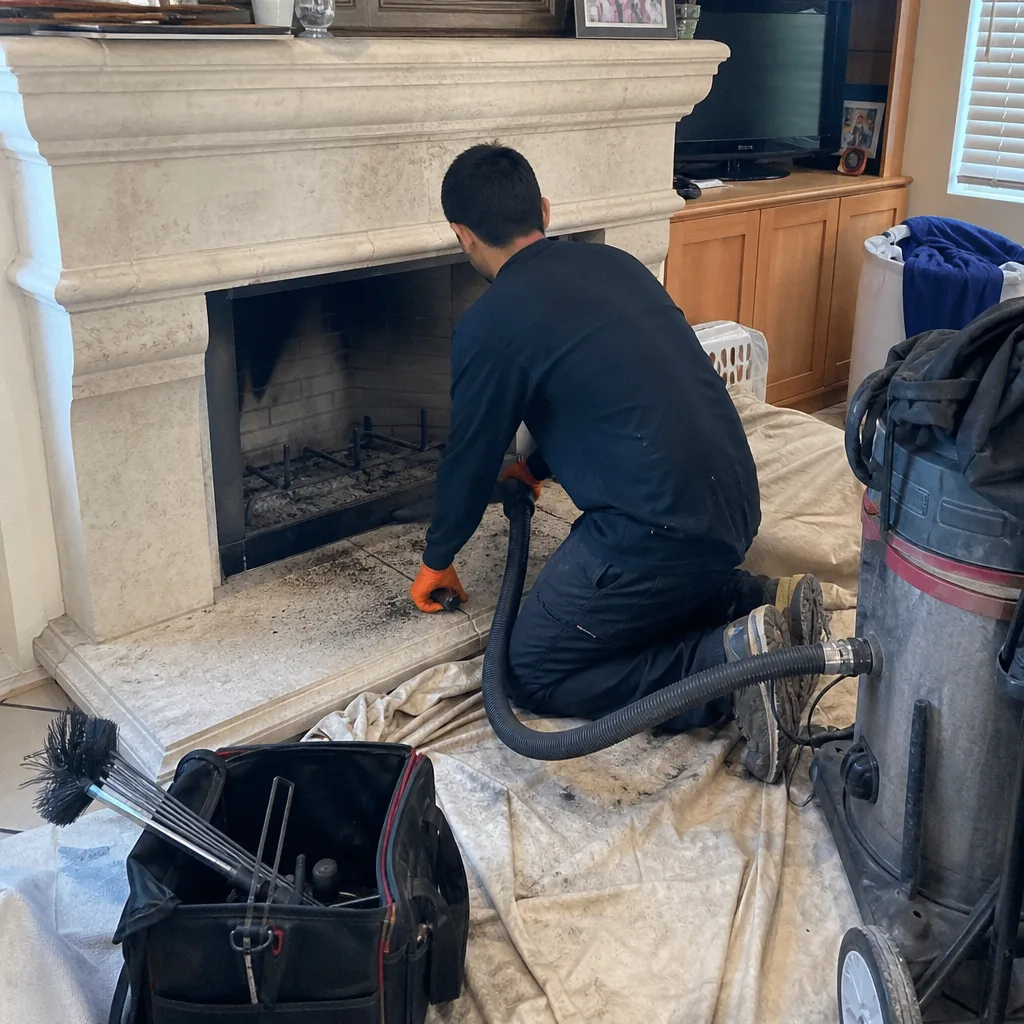 Before
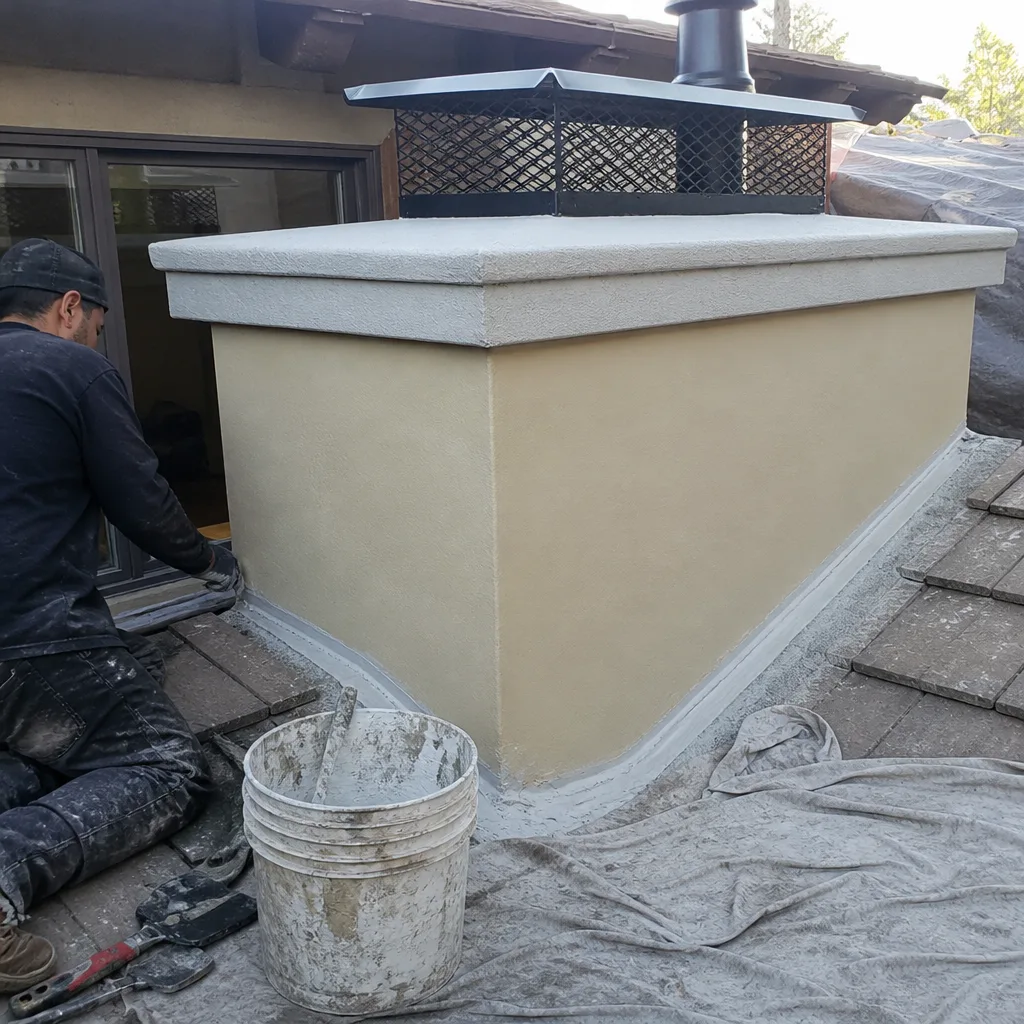 After
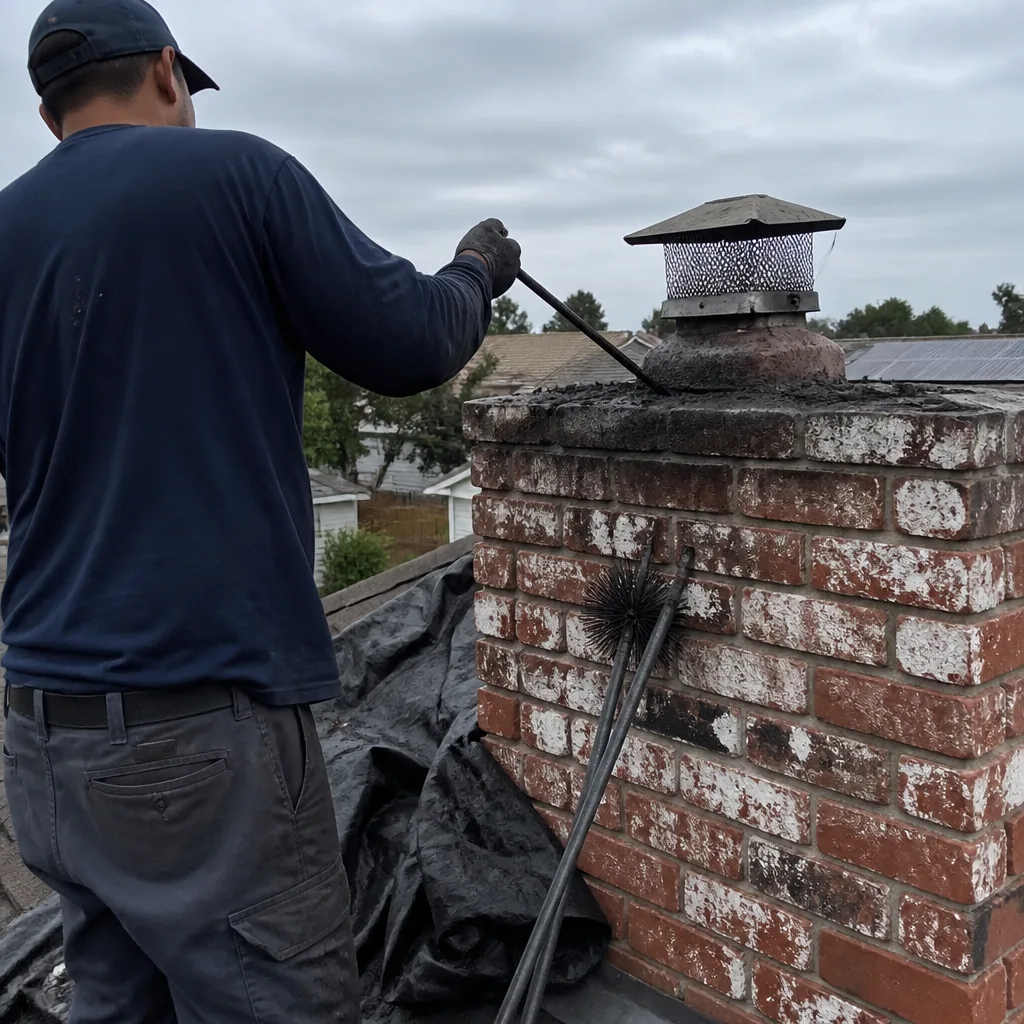 Before
 After
 Before
 After