
Last updated October 30, 2026
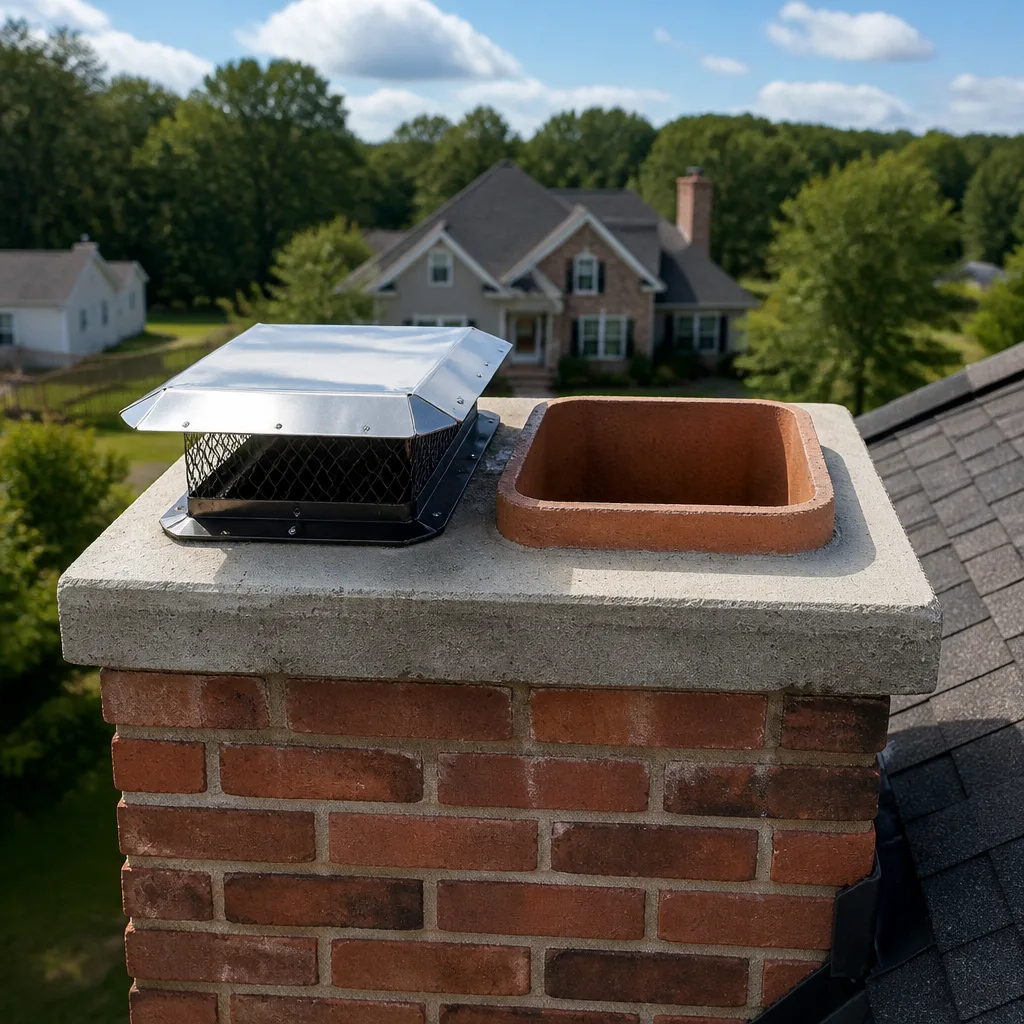 Sweep & inspection
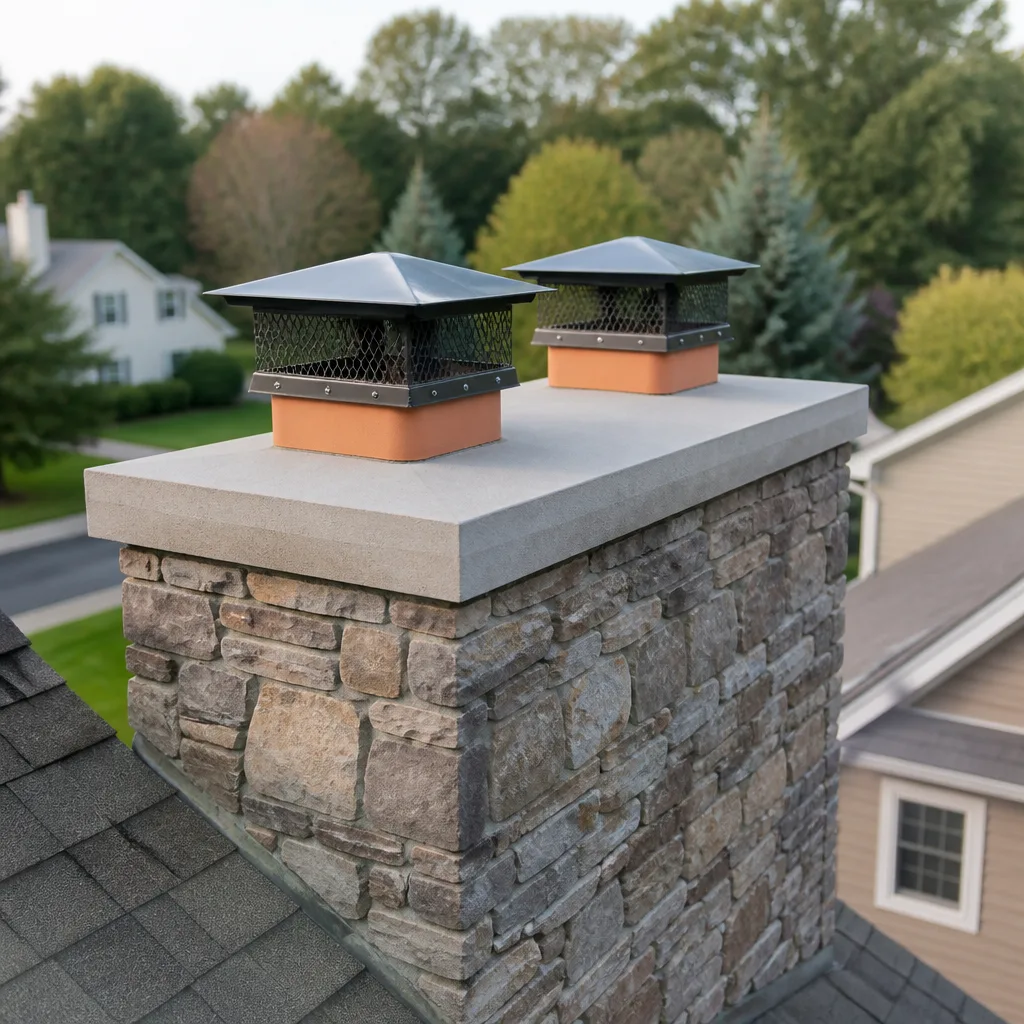 Caps & crowns
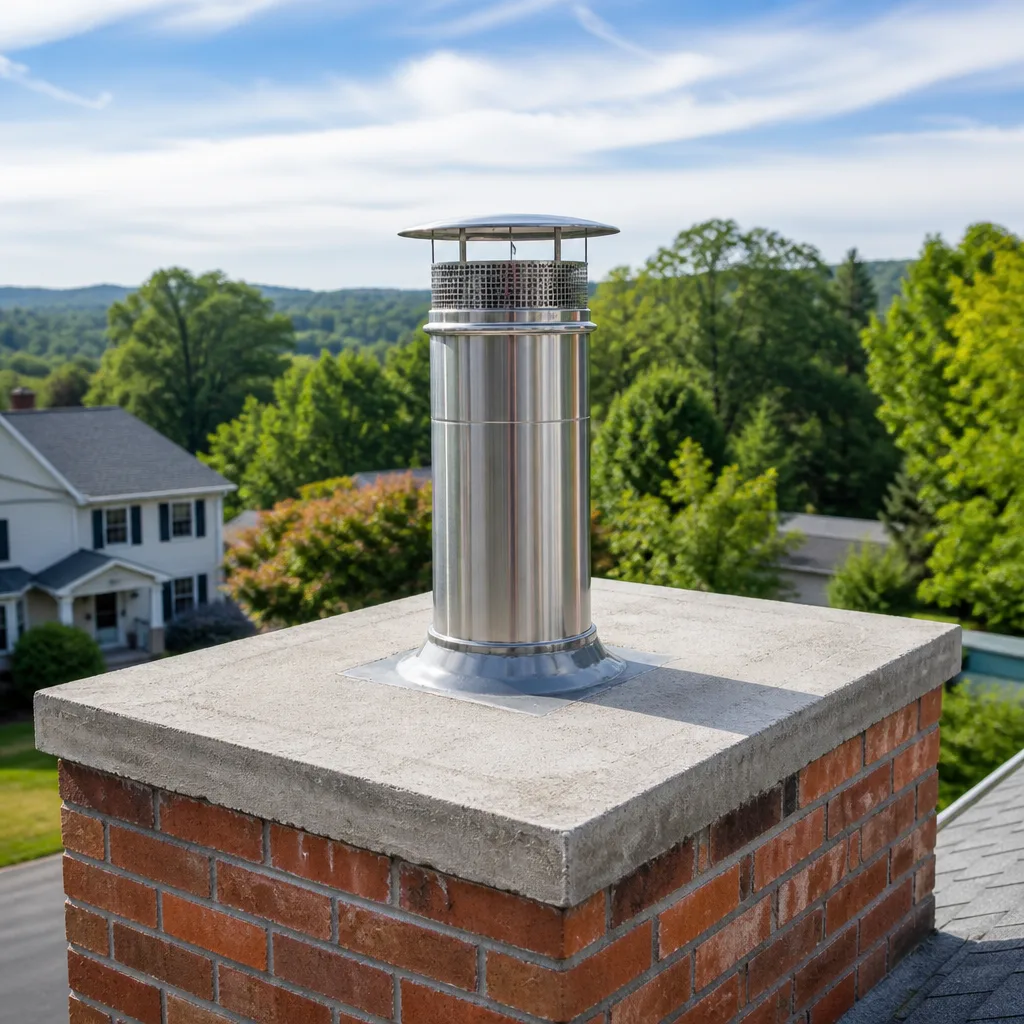 Flue relining
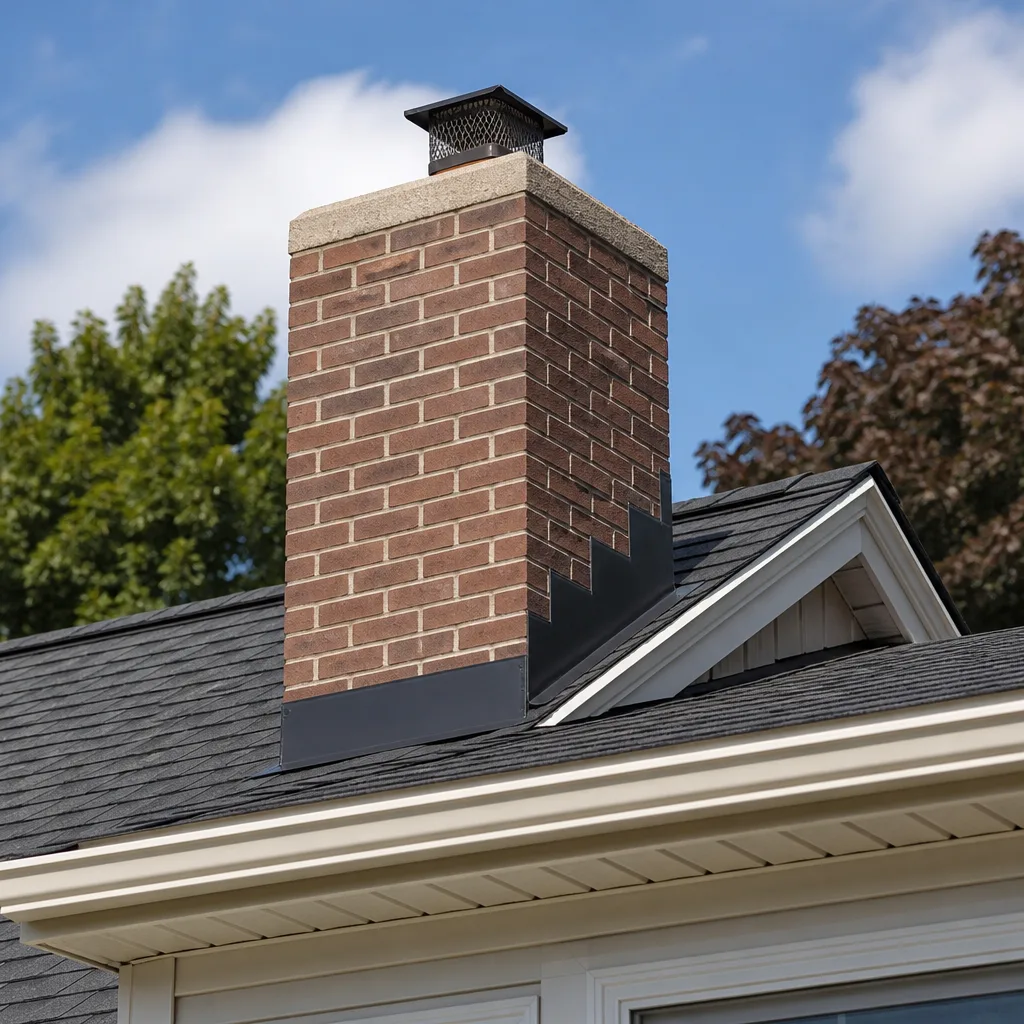 Masonry repair
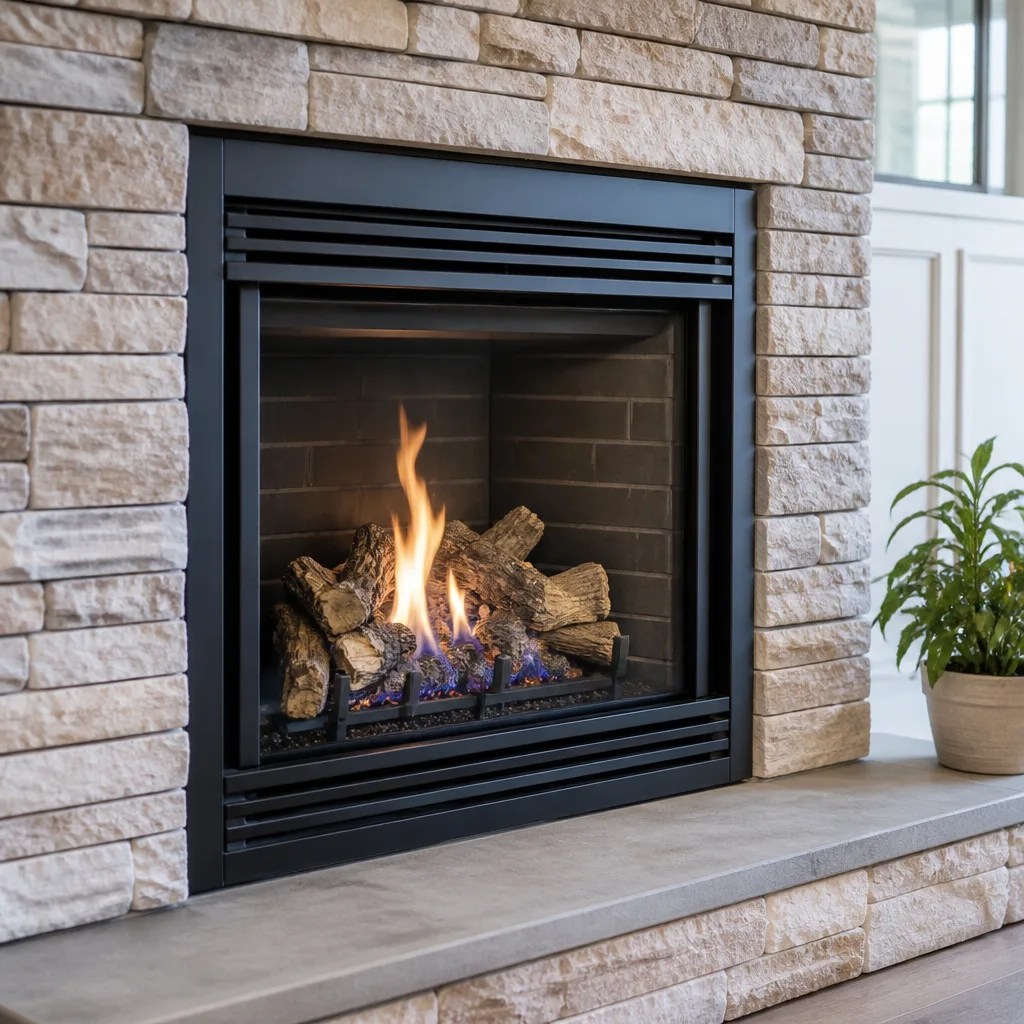 Gas fireplace service
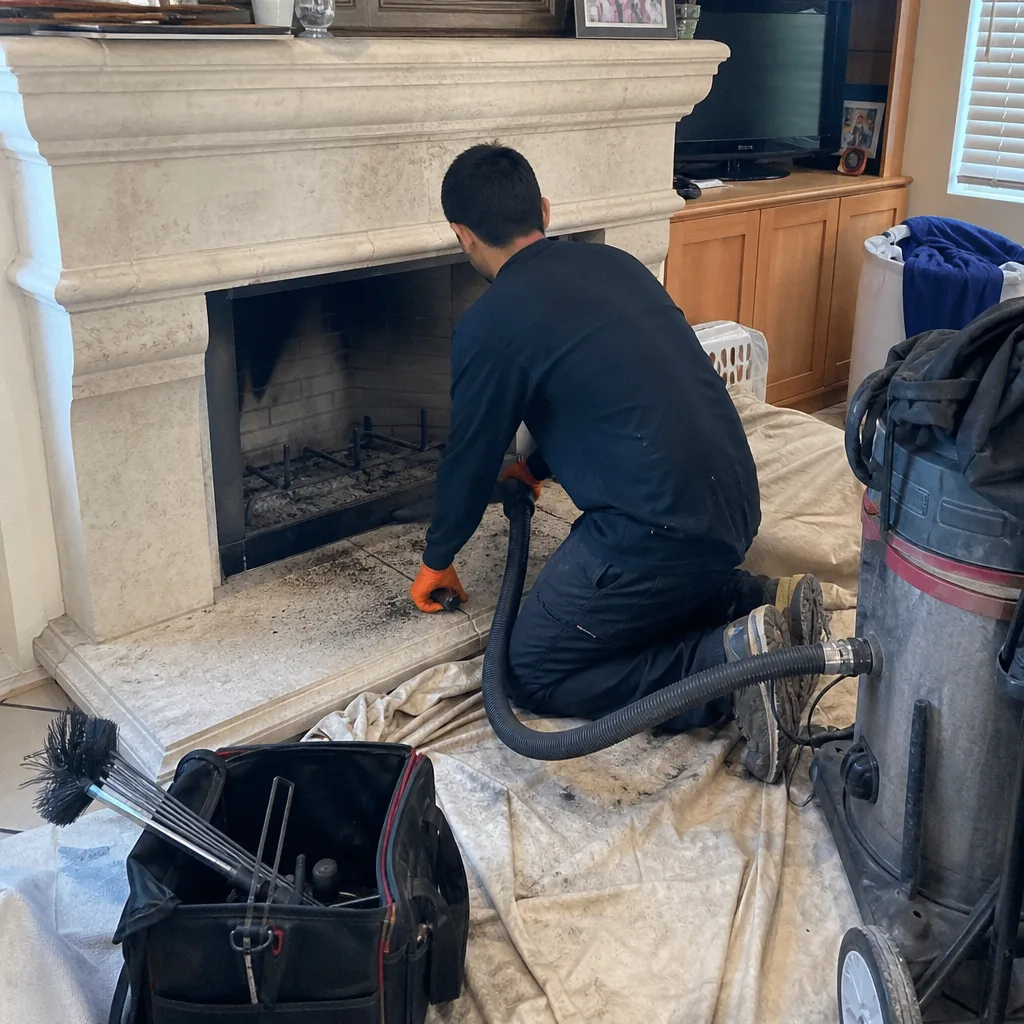
Level 1 sweep and inspection to the NFPA 211 annual standard - flue, crown, cap, and flashing checked and photographed
Chimney sweep logs do not sweep chimneys. They loosen some creosote - which then falls where a brush and vacuum still have to collect it.
Chimney Sweep Maintenance Checklist for Irvine Homeowners
Here’s the thing most Irvine chimney checklists get wrong: they’re written for houses in Connecticut or Minnesota, where a fireplace burns oak for five months straight and creosote builds up in thick, predictable layers. Irvine doesn’t work that way. We get maybe thirty to forty burn nights a year, squeezed between South Coast AQMD no-burn days and evenings warm enough that lighting a fire feels silly. That stop-start pattern creates a different kind of deposit: thinner glazing, sure, but also the stuff that doesn’t burn off easily. Add in our UV exposure, our coastal air, and the starlings that think your flue is premium Orange County real estate, and you’ve got a maintenance profile that has almost nothing in common with the generic advice printed on the back of a chimney brush package. This guide is a working document for Irvine houses, built around how our chimneys actually get used, what our local air quality rules mean for burn schedules, and which checklist items matter at which burn volumes.
Styles & brands we work with
Quick Answer
A chimney maintenance checklist for Irvine homeowners should cover six areas: exterior crown and cap condition, flue obstruction (especially bird nests and tree debris), damper function, firebox mortar joints, smoke shelf inspection, and annual professional sweeping timed around the South Coast AQMD seasonal burn window. Homeowners can safely check about half of these from inside the house without climbing on the roof. The rest belongs to a Chimney Sweep with camera equipment.
Table of Contents
- Why Irvine Burn Patterns Change Your Maintenance Schedule
- South Coast AQMD Curtailment Days and Sweep Timing
- Interior Checklist: What You Can Safely Assess From Inside
- Exterior Checklist: What the Roofline Actually Needs (and When to Stay Off the Ladder)
- Frequency Thresholds: When Items Move From Annual to Mid-Season
- Documenting Your Checks for Insurance and Resale
- Common Mistakes to Avoid
- When to Call a Professional
- Frequently Asked Questions
- The Bottom Line
Why Irvine Burn Patterns Change Your Maintenance Schedule
The national advice on chimney sweeping says “every cord of wood, or once a year.” That guidance assumes a cord actually gets burned. Most Irvine homeowners light maybe fifteen to twenty fires per season, and a season here runs from late October through early March, with big gaps around the holidays when nobody’s home and long stretches in December where the daytime high still hits 70. Burn volume tells you how fast creosote accumulates. Fifteen fires of mixed hardwood from the grocery store bundle creates less creosote than a Vermont winter of daily loading, but it creates it differently.
What we see in Irvine chimneys after a season of occasional use is a thin, hard glaze rather than thick, flaky buildup. That glaze forms when fires are lit and extinguished repeatedly without the flue ever reaching a sustained high temperature. The first hour of a fire produces the most creosote because the flue is cold and smoke condenses on the walls. If most of your fires are short evening affairs, that first-hour condensation happens every time, and it never gets a chance to burn off. Over three or four seasons, the glaze builds into a hard, shiny layer that doesn’t brush off with standard sweeping tools. It requires rotary cleaning or chemical treatment.
The practical takeaway for Irvine is this: annual sweeping is still the right rhythm, but not because you’re burning a cord of wood. It’s because our specific burn pattern (short fires, long gaps, repeated cold starts) produces a deposit that’s harder to remove than the fluffy creosote a Vermont sweep deals with. If you burn less than ten fires a year, you can stretch to eighteen months. If you burn more than thirty, schedule a mid-season check in January. If you’re in a neighborhood like Turtle Rock or Northwood where older homes have larger masonry fireplaces, the firebox size and older damper designs may mean more smoke dwell time, which means more buildup per fire.
South Coast AQMD Curtailment Days and Sweep Timing
The South Coast Air Quality Management District manages residential wood-burning restrictions across Orange County, including all of Irvine. On Mandatory Curtailment days, wood burning in fireplaces is prohibited unless it’s your only source of heat. The no-burn season runs from November through the end of February, and the district announces curtailment days based on particulate forecasts. You can check the day’s status on the South Coast AQMD website or sign up for their email and text alerts.
What this means for your chimney maintenance schedule is straightforward but often overlooked: the best time to sweep an Irvine chimney is late September or early October, before the no-burn season begins and before the first cool nights arrive. Sweeping in October means your flue is clean for whatever burn days the AQMD allows between November and February. Sweeping in January, which is what most national checklists recommend as a “mid-winter safety check,” means you’re either sweeping on a day you can’t legally burn anyway or scrambling to book a sweep during the busiest month for chimney companies.
There’s a second AQMD-related reason to prioritize an early-season sweep. When a Mandatory Curtailment day hits for several consecutive weekends, the wood sits. Then the ban lifts and everyone in your tract lights a fire the same evening. We have swept chimneys in Woodbridge and Westpark where homeowners lit the first “legal” fire of the season in a flue that hadn’t been inspected in three years. That’s the scenario where hidden defects become visible, and not in a good way. The AQMD calendar is public and predictable. You can plan around it. Schedule your sweep before Thanksgiving, and you’ll never be the house that tests its chimney on the first burn night after a curtailment stretch.
Our recommendation: book your annual sweep for September or October. If you miss that window, the next best slot is March, after the no-burn season ends. A March sweep means you spend the summer with a clean, inspected flue and zero maintenance pressure before the next burn season. Avoid December and January sweeps in Irvine unless you have a specific concern. You’ll pay peak pricing and wait longer for an appointment.
Interior Checklist: What You Can Safely Assess From Inside
You don’t need to climb on your roof to check a majority of your chimney’s health. Five of the eight most common problems we find in Irvine chimneys are visible from inside the firebox, with a flashlight and ten minutes of attention. Here’s the interior checklist, in order of priority.
- Damper operation. Open and close the damper fully. It should move smoothly without grinding, stay in the open position without propping, and seat firmly when closed. Look for rust on the damper plate and frame, especially if you’re within five miles of the coast where salt air accelerates corrosion. A damper that won’t fully close lets conditioned air escape through the chimney year-round. A damper that won’t fully open restricts draft and pushes smoke into the room.
- Firebox mortar joints. Use a flashlight to inspect the joints between firebricks. Look for gaps wider than a nickel, powdery mortar that crumbles when you press it with a screwdriver, or missing brick faces. The firebox is the one part of your chimney designed to take direct flame. In Irvine’s dry climate, mortar dries out faster than in humid regions, which means hairline cracks appear sooner than the national average. Address them before they widen.
- Smoke shelf visibility. Shine the flashlight up past the damper. You should see a flat shelf just above the damper opening. If it’s covered in debris (twigs, nesting material, loose mortar), that’s a sign the flue above it is also carrying debris. The smoke shelf is where the downdraft flattens out and particulate settles. Clean it annually.
- Glass door condition. If your fireplace has glass doors, check the gasket seal around the frame and the condition of the glass itself. A deteriorated gasket means unregulated air leaks into the burn, making the fire less efficient and creating more smoke in the flue. Crazed or cracked glass should be replaced before you burn again.
- Floor of the firebox. Look for spalling (flaking concrete or brick), cracks that run across the entire floor, or ash buildup from previous seasons that’s been allowed to harden. Pockets of hardened ash trap moisture against brick and accelerate deterioration.
None of these five checks require special tools or any training. A bright flashlight, a screwdriver for gentle pressure tests, and your phone camera for documentation are all you need. If you find something on this list that concerns you, that’s the cue to call for a professional evaluation before the next burn.
Exterior Checklist: What the Roofline Actually Needs (and When to Stay Off the Ladder)
We’re going to say this plainly: do not climb on your roof to inspect your chimney. Irvine homes with standard roof pitches and concrete tile are not forgiving surfaces. One wrong step on a dew-slick tile and the chimney inspection becomes a hospital visit. Everything on a chimney exterior should be assessed either from the ground with binoculars or by a professional with proper safety equipment. That said, there are exterior items on the checklist, and here’s what each one means for your chimney’s condition.
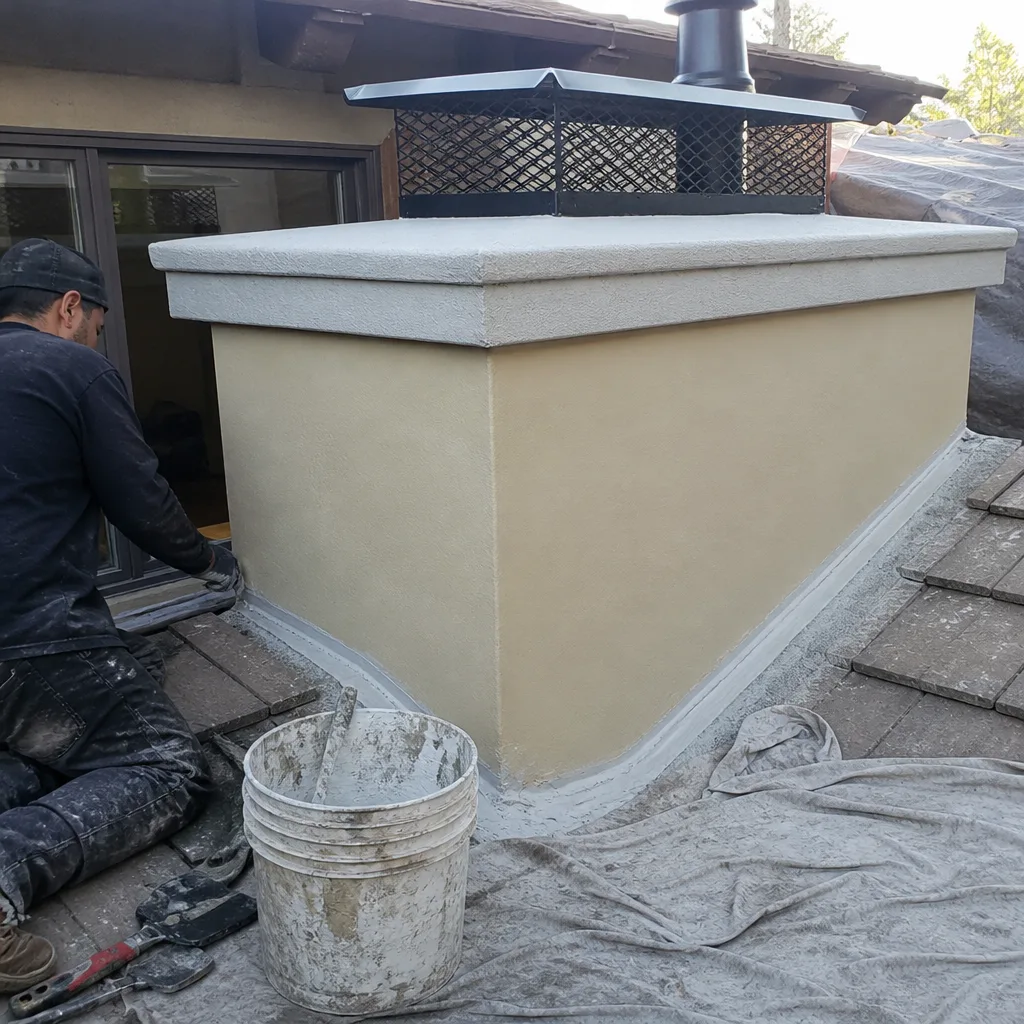
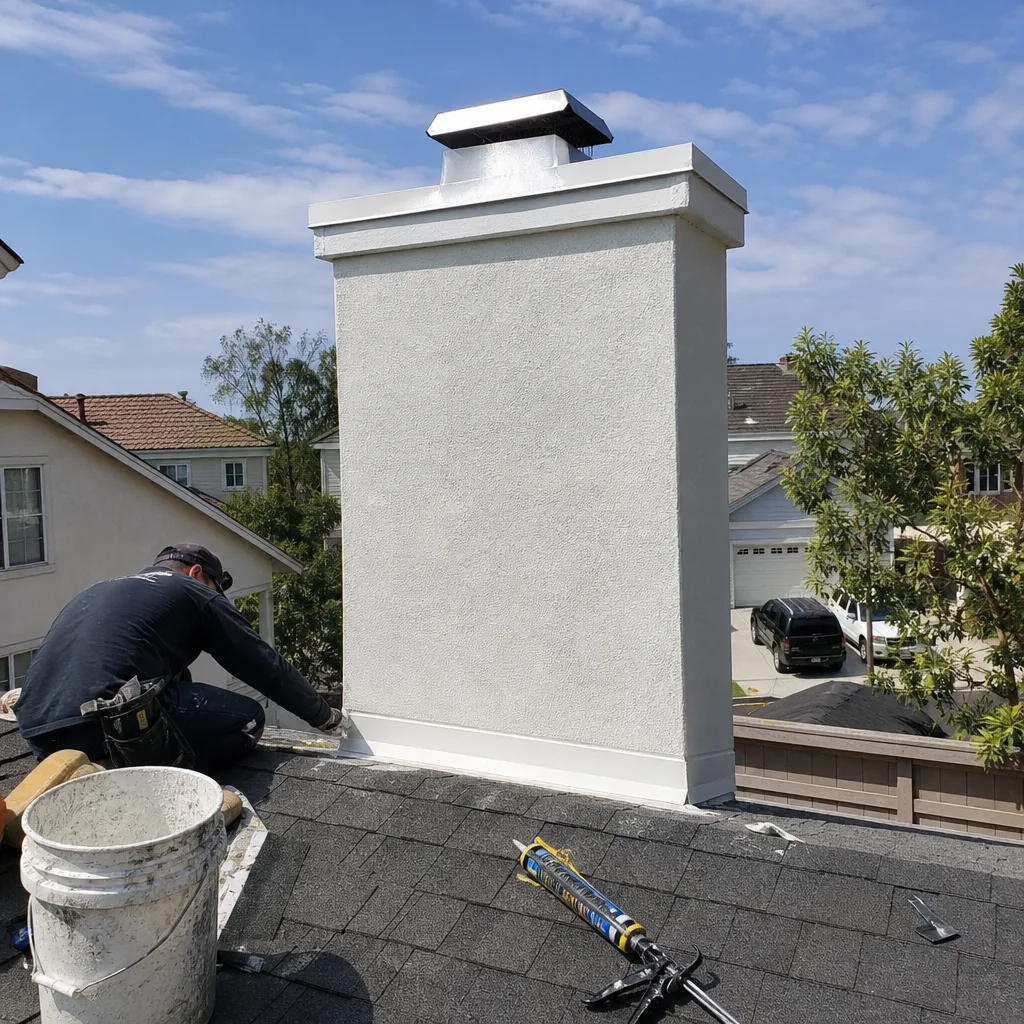
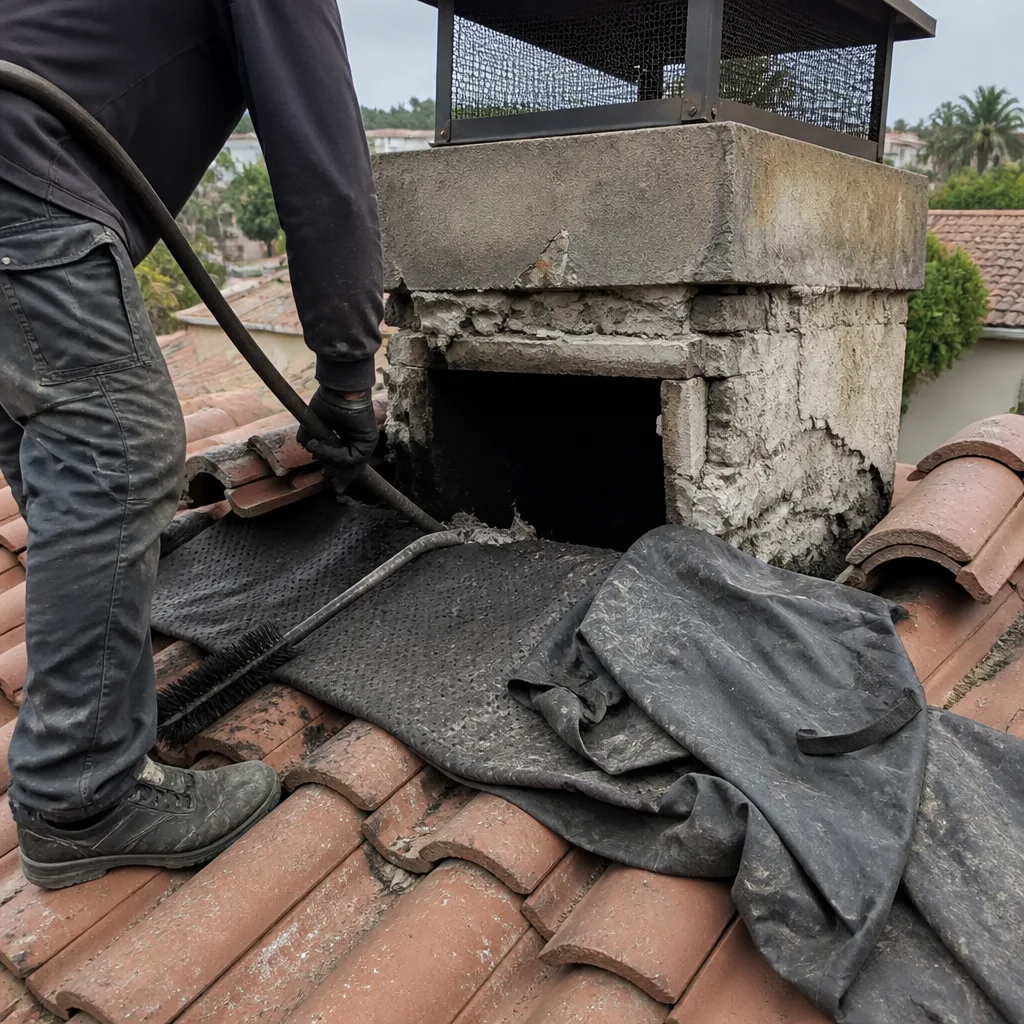
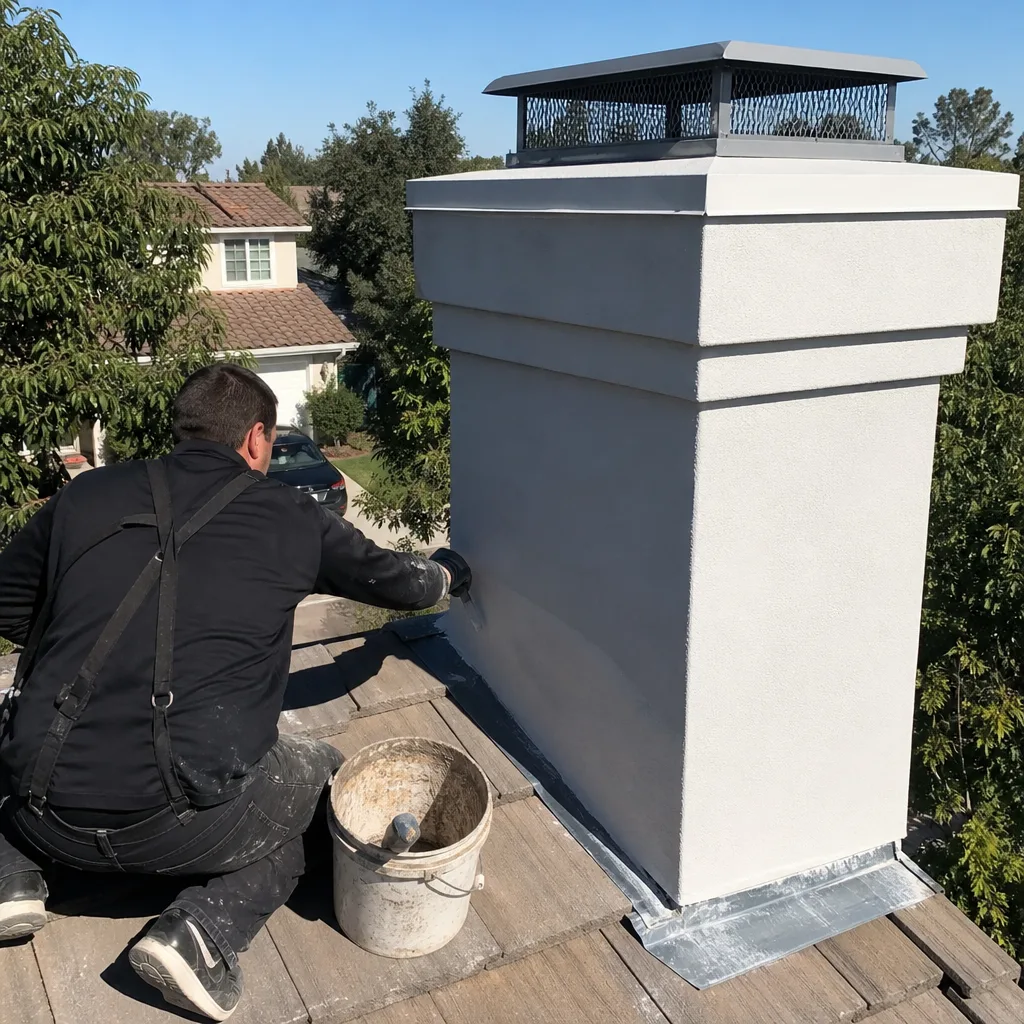
Crown cracking. The crown is the concrete cap at the top of the chimney, and it takes the full brunt of Irvine’s UV exposure. Southern California sun breaks down concrete crowns faster than freeze-thaw cycles do in colder climates. Small cracks in the crown let water into the masonry below, which is a bigger deal than it sounds because Irvine’s occasional winter rains are often intense when they arrive. A cracked crown on a chimney that’s otherwise fine can be resealed with an elastomeric crown coat. Left alone, it becomes a repointing job. We stock the materials to handle either.
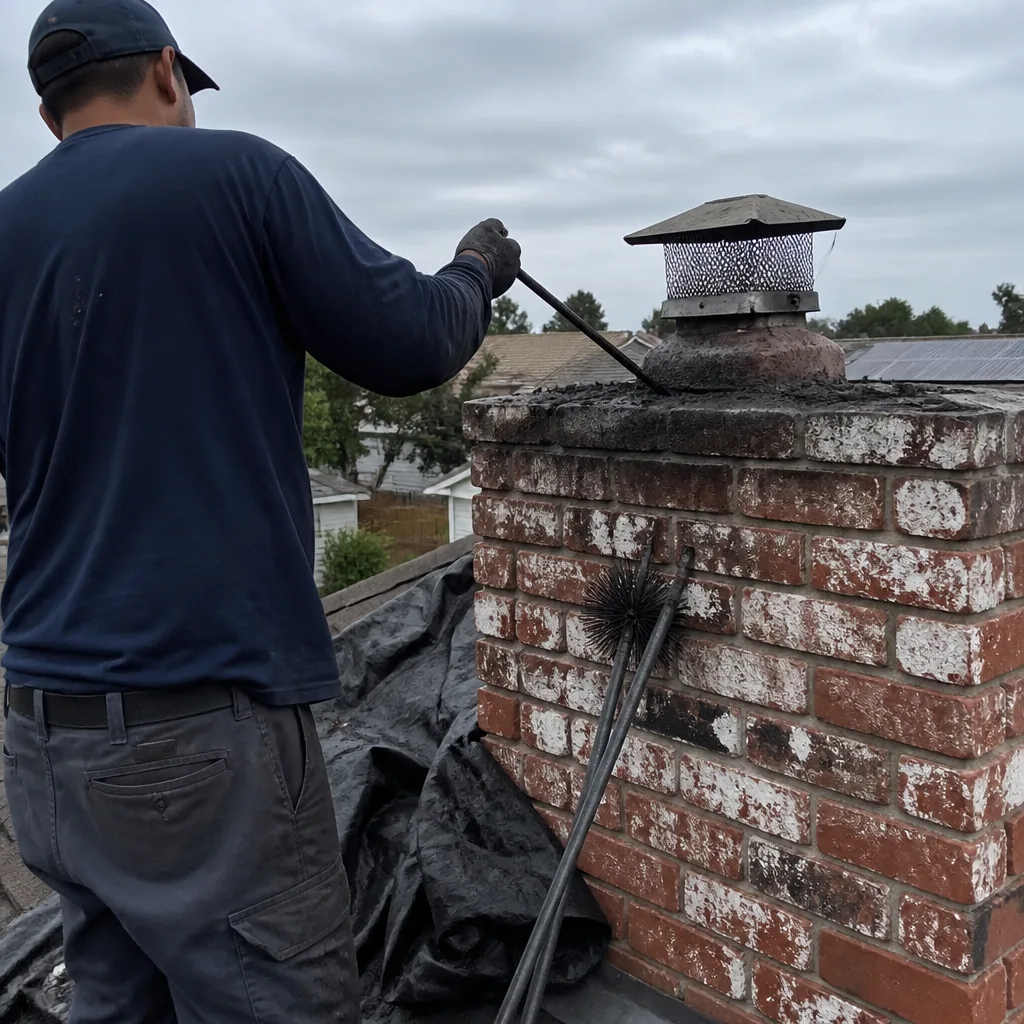
Cap and spark arrestor. The cap sits on top of the flue and does three jobs: keeps rain out, keeps embers from landing on your roof, and keeps animals from moving in. European starlings and chimney swifts are the two species most likely to nest in an uncapped Irvine flue. Starlings build dense, twig-heavy nests that can fully block a flue. Swifts are protected by federal law and their nests cannot be removed during nesting season, which means a swift in your chimney in spring means no burning until they leave. A proper cap with a spark arrestor screen solves this entire category of problem. Brands like Famco and Copperfield make caps and dampers we install regularly.
Flashing. The metal strip where the chimney meets the roofline is called flashing, and it separates your roof from the masonry. When flashing fails, water follows the chimney down into the attic, sometimes for years without visible ceiling staining. From the ground, look for lifted flashing, rust staining below the chimney line, or missing sealant. If you see any of those, call a chimney professional or a roofer who understands chimney integration.
Masonry surface. Use binoculars to scan the chimney face. Look for vertical cracking, spalled brick faces, or mortar joints that look like they’ve been eroded back an eighth of an inch or more. Irvine’s dry air preserves masonry from the inside but the sun bakes the exterior mortar, especially on south-facing chimney faces. That’s the face that gets afternoon sun all year, and it’s the first place we see erosion in Irvine neighborhoods like Quail Hill and Portola Springs where homes are newer but sun exposure is aggressive.
If your roof pitch is low and you can safely view the chimney from a spotter’s position with both feet on the ground, do so. Otherwise, fold this exterior section into your annual professional sweep. Every Limestone Chimney Sweep appointment in Irvine includes an exterior assessment as part of the sweep. You don’t need to get on the roof for it to get checked.
Frequency Thresholds: When Items Move From Annual to Mid-Season
Most checklists treat every item as an annual task. That’s not how wear actually works. The frequency at which you need to check each item depends on burn volume, and burn volume in Irvine varies enormously from household to household. Here’s the threshold table we use when advising our customers.
| Checklist Item | Under 10 Fires/Year | 10-30 Fires/Year | 30+ Fires/Year |
|---|---|---|---|
| Professional sweep | 18-24 months | 12 months | Every 6 months (Jan and Oct) |
| Damper function check | Annual | Annual | Before every burn |
| Firebox mortar inspection | Annual | Annual | Every 6 months |
| Smoke shelf debris check | Annual (during sweep) | Annual (during sweep) | Every sweep |
| Cap and screen check for birds | March-June (nesting season) | March-June, plus October | Monthly during burn season |
| Crown and flashing visual check | Annual | Annual | Annual |
| Chase cover / top seal check (prefab units) | Annual | Annual | Every 6 months |
Here’s your practical guide: if you burn only on Thanksgiving, Christmas Eve, and a handful of cool evenings in January, you’re in the under-10 bracket. One professional visit every eighteen to twenty-four months is defensible, with your own interior checks in between. If you burn every weekend from November through February, you’re in the 10-30 bracket and an annual October sweep is your rhythm. If you burn three or more nights a week during the season, you’re in the top bracket, and a January mid-season sweep catches the mid-winter glaze before it hardens into the kind of deposit that takes a rotary brush and chemical treatment to remove.
A note on prefab fireplaces, which are common in newer Irvine communities like Great Park and Cypress Village: prefab units have a metal chase instead of a masonry structure, and the top seal is the weak point. Chase covers rust, especially within five miles of the coast. If you’re in a prefab home, add an annual visual check of the chase cover, and if you see rust staining on the sides of the chase itself, put a repair consultation on the calendar sooner rather than later. The brand of cap or damper matters less than making sure the replacement is installed by someone who carries professional-grade parts, not whatever fits from the hardware store; see our guide on Choosing the Right Chimney Cleaning Brand: A Buyer’s Guide for Irvine. We install Famco and Copperfield components on prefab units regularly because those brands hold up to Southern California sun and coastal air better than generics.
Documenting Your Checks for Insurance and Resale
Insurance companies are not subtle about what they look for when a chimney fire claim lands on a desk. The adjuster wants evidence of maintenance. A receipt for a professional sweep, a written inspection report, dated photos of the damper and firebox. If you’re doing your own visual checks between professional visits, document them the way an adjuster would want to see them.
Here’s a documentation routine that takes five minutes per check and produces a defensible record:
- Take three photos each time: the firebox front-on showing the damper, a close-up of the mortar joints where you’ve seen cracking before, and a straight-up shot of the flue from inside the firebox.
- Name your photos with the date and location, like “firebox-face-2025-03-14.jpg.”
- Keep a note in your phone with the date of your last professional sweep, the company name, and any recommendations they made.
- If you make any repair (even a minor mortar patch), photograph it before and after and save the receipt for materials.
The same documentation helps if you sell. An Irvine buyer looking at a home with a wood-burning fireplace will almost certainly ask during escrow whether the chimney has been maintained. A folder of dated photos and a sweep history answers that question in thirty seconds and prevents the sale from being held up by a “chimney concerns” contingency item. In our experience working in Irvine, documented maintenance is the difference between a clean close and a re-inspection request.
One photo worth adding to your routine: a shot of the damper in the fully open position at the start of each season. If you ever deal with a smoke-back issue or a backdraft complaint, that photo establishes the damper wasn’t the problem. It’s the chimney equivalent of photographing a rental car before you drive it off the lot.
Common Mistakes to Avoid
- Burning wood on no-burn days because “everyone else is doing it.” South Coast AQMD enforcement in Irvine is complaint-driven, and neighbors do report. Beyond the fine, the bigger issue is that burning on high-particulate days pushes more pollutants into your own neighborhood, which is exactly what the regulation is trying to prevent. Check the AQMD status before you light.
- Treating the smoke shelf as “out of sight, out of mind.” The smoke shelf catches everything that falls down the flue: twigs, nest material, loose mortar, pieces of cap screen. If it’s full, your draft is restricted even if the flue itself looks fine. This is the most common finding we flag during Irvine sweeps that homeowners didn’t know they had.
- Skipping the damper test until November 20th. The damper is the gateway to the entire burn. Test it in September, when there’s still time for a repair before burn season. Waiting until the first cold night means you either burn with a faulty damper or lose a burn night to a repair appointment.
- Using the fireplace as a disposal system for “clean” trash. Wrapping paper, cardboard boxes, and junk mail all create excessive paper ash that coats the flue and increases the burn temperature dramatically. The one thing you shouldn’t burn in a fireplace is the stuff you’d put in the recycling bin.
- Ignoring exterior wear because “it doesn’t rain that much in Irvine.” It doesn’t rain much, but when it does, a cracked crown or lifted flashing funnels water into the masonry and the attic. Irvine’s dry climate actually makes water intrusion worse in one way: homeowners don’t notice it until the damage is substantial, because there’s no ongoing moisture to reveal the leak.
- Assuming a prefab fireplace is maintenance-free. Prefab units in Irvine’s newer neighborhoods have specific wear points: the chase cover, the refractory panels inside the firebox, and the termination cap. These components age faster than the national lifespan figures suggest when they’re exposed to full southern sun and coastal air. A prefab isn’t a set-it-and-forget-it installation.
- Using a “chimney sweeping log” as a substitute for professional sweeping. Those logs are intended to reduce light creosote between sweeps, not to replace the sweep itself. In a low-burn-volume Irvine home, a sweep log once or twice per season can help keep deposits from hardening, but it doesn’t remove the bird nest or inspect the flue liner. The inspection is the point.
When to Call a Professional
Most of this checklist is designed to be done from the ground or from inside your firebox. But there are thresholds where a professional visit is the right call, and they’re usually the same thresholds where delaying makes the repair more expensive. If you see cracked or crumbling firebox mortar, rust on the damper, debris on the smoke shelf that you can’t identify, or any sign of water staining near the ceiling below the chimney, call for an inspection. If you hear birds in your chimney, call immediately; nesting season creates both fire hazards and legal complications. If your flue hasn’t been swept in more than three years regardless of burn volume, schedule one. Limestone Chimney Sweep offers free estimates in Irvine, and every estimate includes a condition report with photos. For more guides & resources, visit our blog. Call (855) 341-5439 to book.
Frequently Asked Questions
For most Irvine homeowners burning 10 to 30 fires per year, one annual sweep in September or October is the right schedule. Homes burning fewer than 10 fires can extend to 18 to 24 months. Homes burning 30 or more fires should add a mid-season sweep in January. Irvine’s stop-start burn pattern produces a hard creosote glaze that makes annual cleaning more important than national guidelines suggest.
A Mandatory Curtailment day is a period when the South Coast Air Quality Management District prohibits wood burning in residential fireplaces across Orange County, including Irvine, due to elevated particulate levels. These days typically run from November through February and are announced through the district’s alert system. The restriction directly affects your chimney maintenance because it creates irregular, concentrated burn patterns that leave different deposits than consistent burning.
Yes. The five most important interior checks (damper function, firebox mortar, smoke shelf debris, glass door gaskets, and firebox floor condition) are all doable from inside the house with a flashlight. Exterior items like the crown and cap can be checked from the ground with binoculars. We strongly advise against climbing on an Irvine roof to inspect a chimney; concrete tile is unforgiving and professional equipment exists for a reason.
European starlings and chimney swifts are the two species most commonly found nesting in Irvine chimneys. Starlings build dense, twig-heavy nests that can fully block a flue. Chimney swifts are federally protected, and their nests cannot be legally removed during nesting season. If you hear birds in your chimney, stop using the fireplace and call for a professional assessment. A properly installed cap with spark arrestor screen, like those made by Famco or Copperfield, prevents nesting entirely.
The smoke shelf is a flat ledge located just above the damper that catches debris and helps redirect downdrafts. It collects twigs, nesting material, and loose mortar that fall down the flue. When the smoke shelf is full, your draft is compromised even if the flue above it looks clear. This is the most common hidden issue we find during professional sweeps in Irvine homes.
Chimney sweeping in Irvine typically runs between $180 and $350 for a standard inspection and cleaning, with the lower end covering accessible single-flue units and the higher end covering more intensive rotary cleaning or homes with difficult roof access. Prefab units are usually at the lower end; masonry units with heavy glaze buildup are at the higher end. Call (855) 341-5439 for a free estimate specific to your chimney. We never quote a repair without showing you camera evidence first.
The Bottom Line
An Irvine chimney doesn’t need the same maintenance as a Boston chimney, but it needs thoughtful maintenance, not less. The AQMD calendar shapes when you can burn, the stop-start pattern shapes what builds up in your flue, and our sun and bird activity shape what happens to the exterior. Five interior checks from your own firebox, a professional sweep timed for October, and a documentation habit that produces photos and dates are the whole system in a sentence. If you find something on your checklist that doesn’t look right, or you’re overdue for a professional sweep, give us a call at (855) 341-5439. We’re local to Irvine, we handle sweep, repair, and dryer vent work from the same calendar, and if we find something that needs fixing, we carry the materials to fix it. For more about how we work across Orange County, start at the Limestone Chimney Sweep home page, or see our service pages for Chimney Sweep in Villa Park, Chimney Repair in Villa Park, and Dryer Vent Cleaning in Villa Park.
Written by the team at Limestone Chimney Sweep, serving Irvine since 2014.
See the difference
 Before
 After
 Before
 After
 Before
 After