
Last updated October 30, 2026
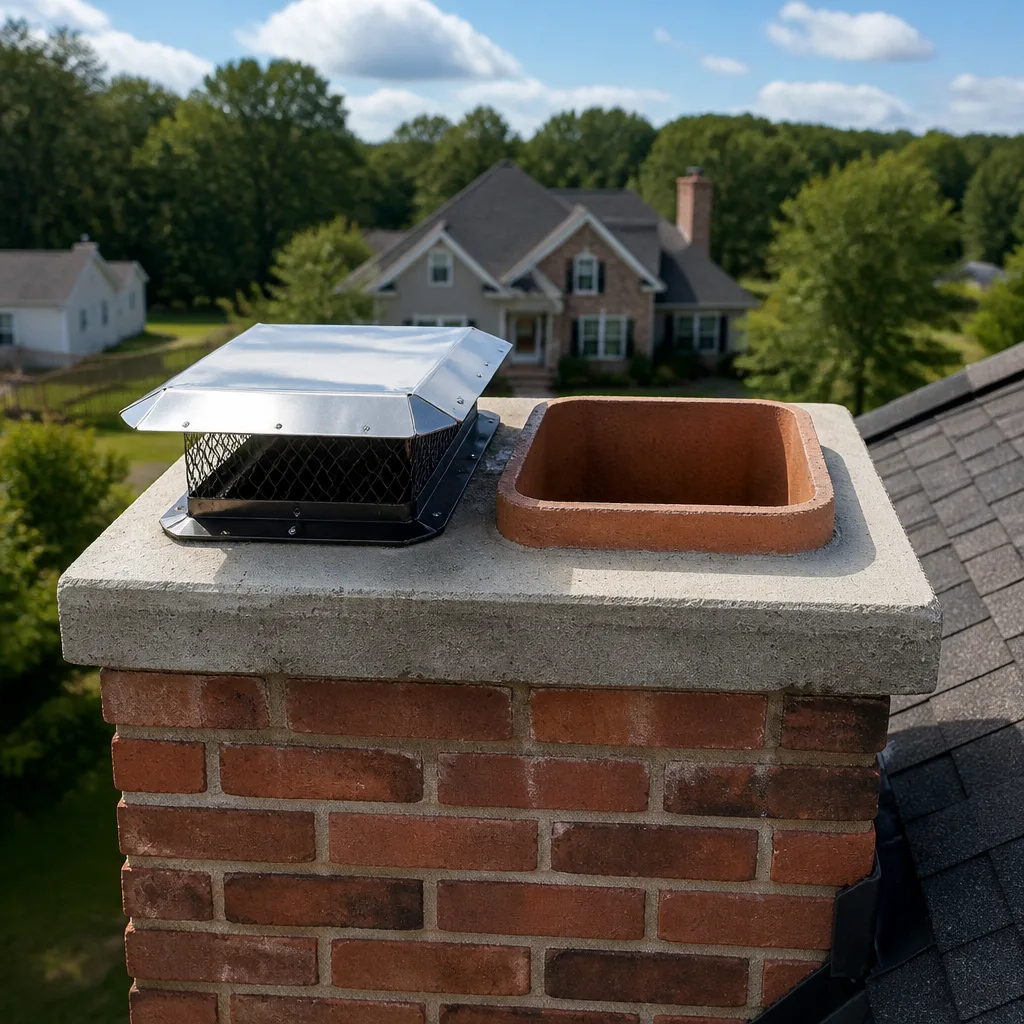 Sweep & inspection
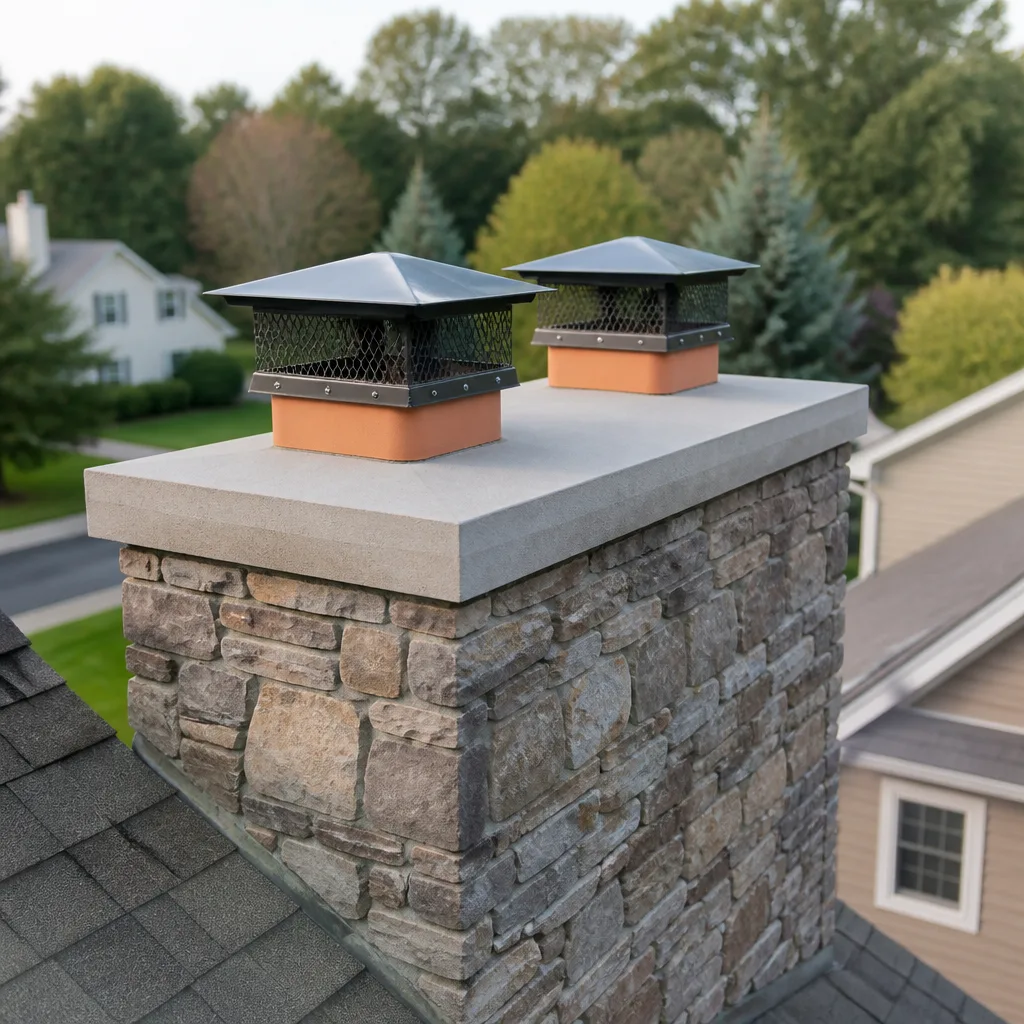 Caps & crowns
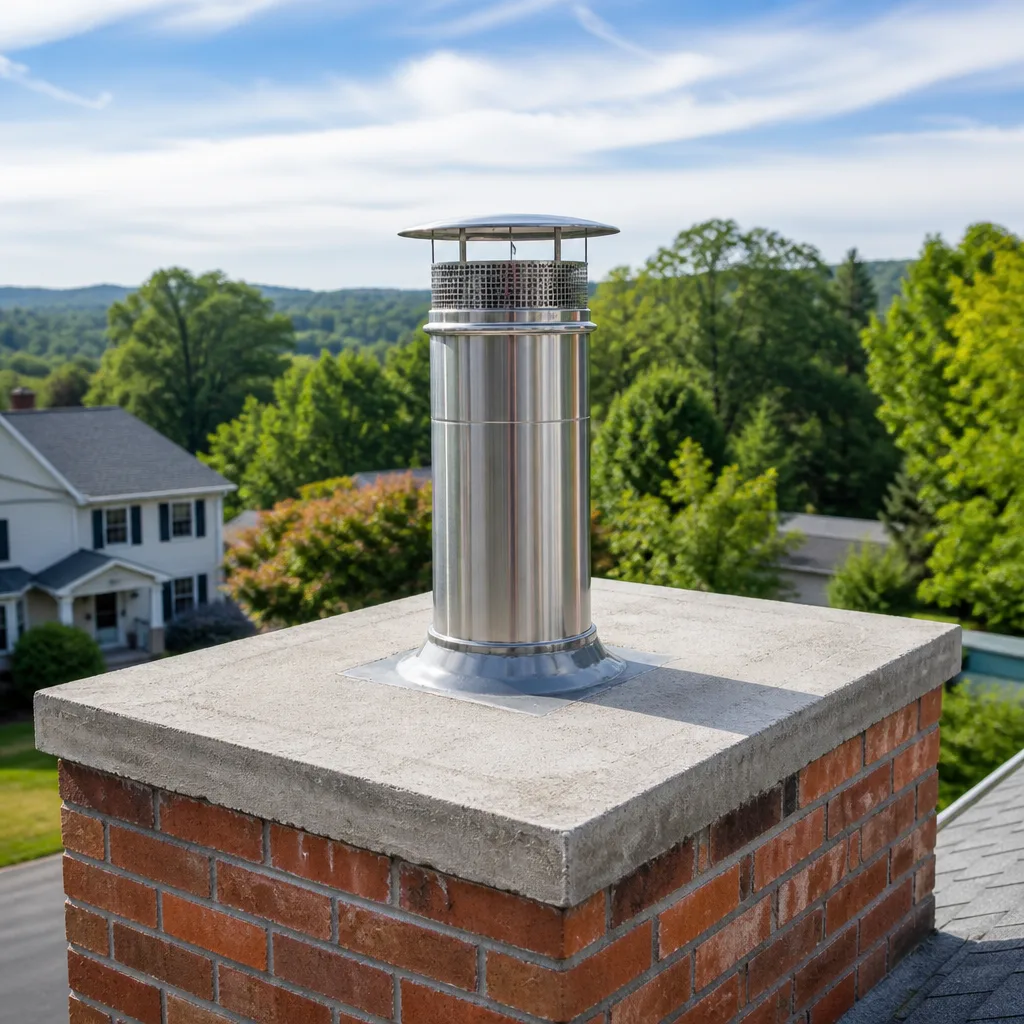 Flue relining
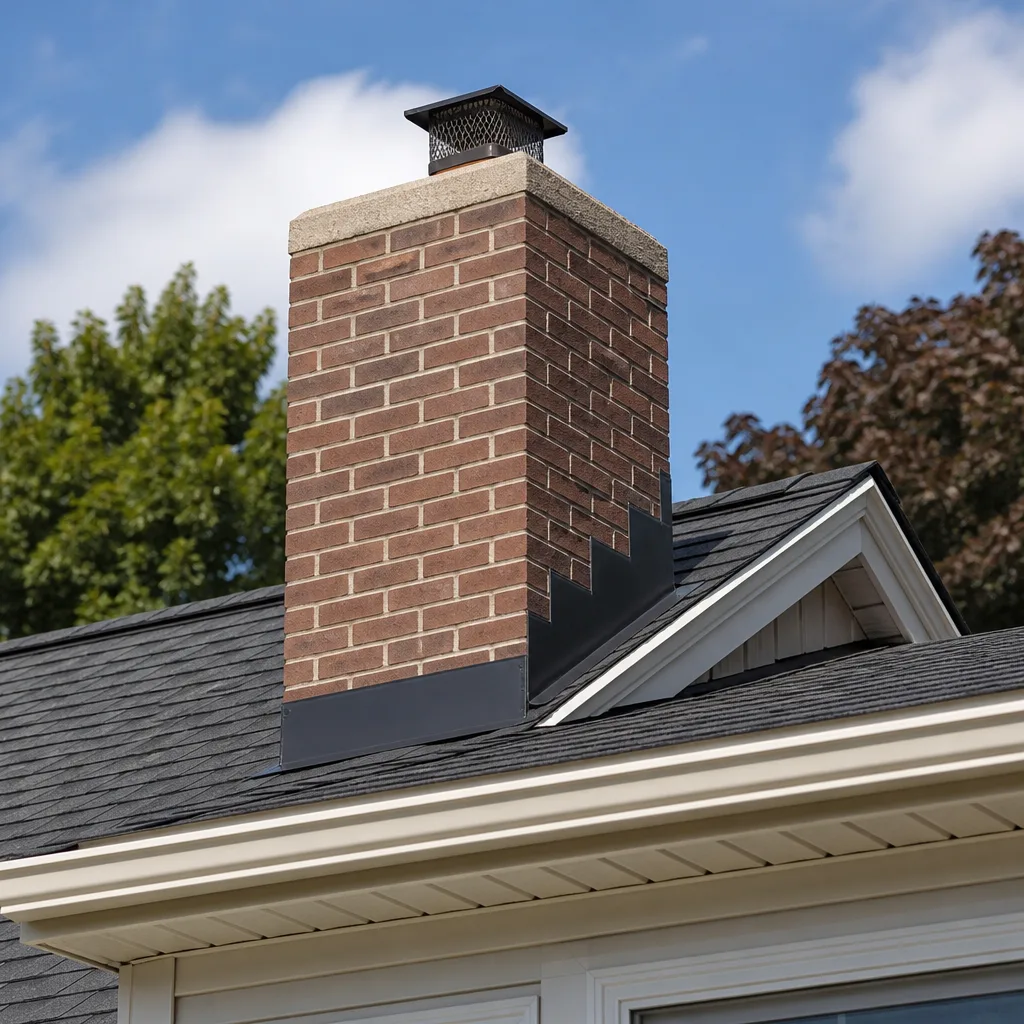 Masonry repair
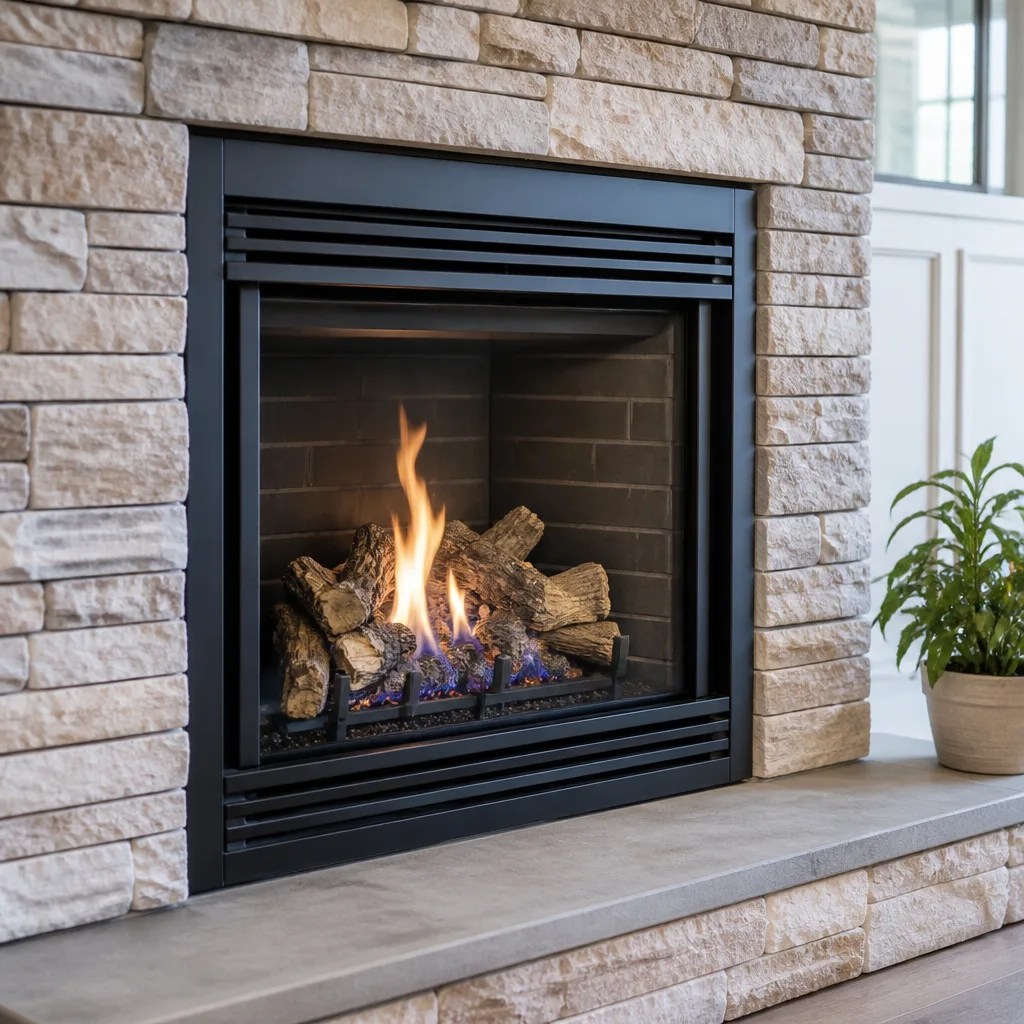 Gas fireplace service
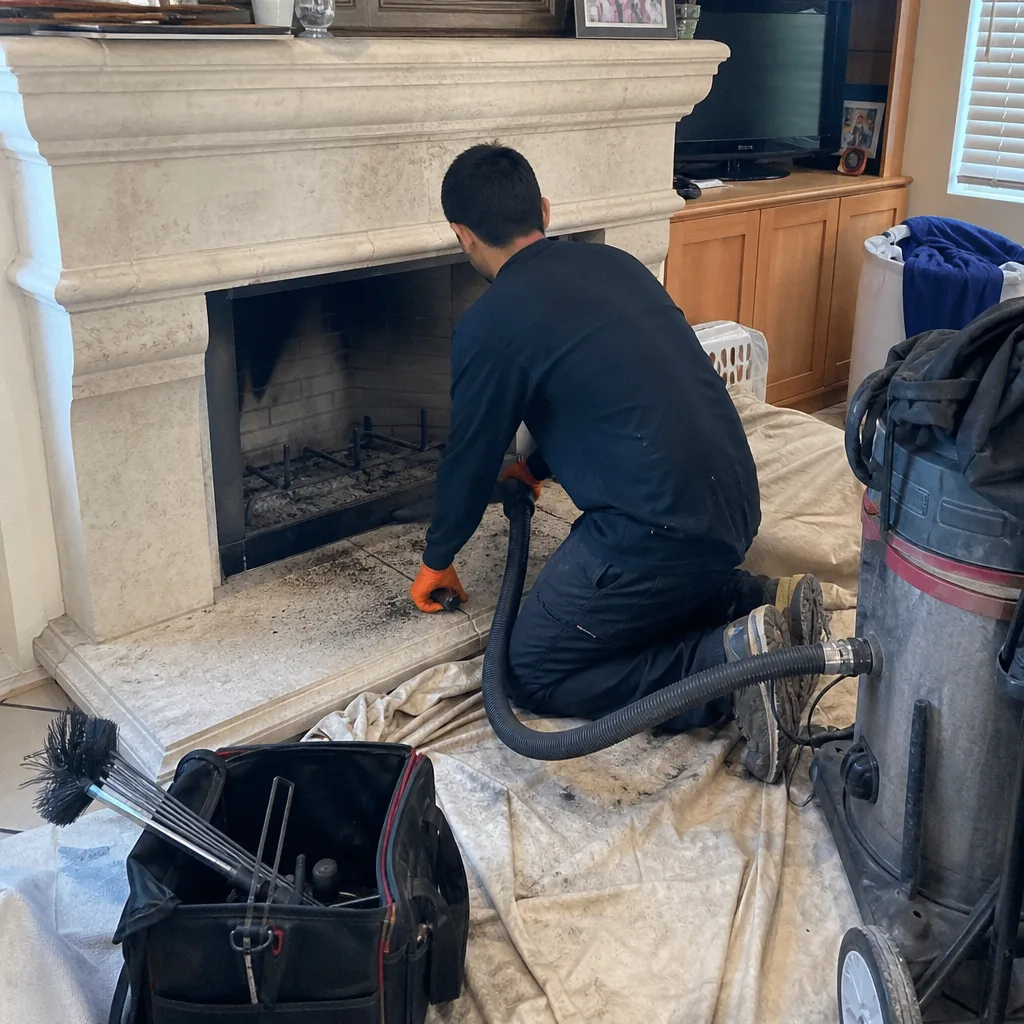
Level 1 sweep and inspection to the NFPA 211 annual standard - flue, crown, cap, and flashing checked and photographed
Chimney sweep logs do not sweep chimneys. They loosen some creosote - which then falls where a brush and vacuum still have to collect it.
The Complete Guide to Chimney Cleaning in Irvine
Most Irvine homeowners assume a fireplace that barely gets used doesn’t need attention. The opposite is true. Light-use fireplaces in Southern California’s dry climate form glazed creosote faster than heavily used ones, and our mild winters mean flues sit dormant for months while palm fronds, eucalyptus leaves, and coastal debris find their way in. This guide explains exactly what chimney cleaning in Irvine actually requires, what you should expect to pay, how inspections differ, and what separates a brushing-only pass from a genuinely thorough system cleaning.
Styles & brands we work with
Quick Answer
Chimney cleaning in Irvine typically costs between $179 and $325 for a standard sweep and inspection, depending on the fireplace type, flue condition, and how long it’s been since the last service. A real cleaning includes the firebox, damper, smoke chamber, and full flue length, not just a brush run. In Irvine’s dry climate, annual inspection is still the right cadence, even if you only burn a dozen fires per year.
Table of Contents
- What Chimney Cleaning in Irvine Actually Involves
- Why Irvine’s Climate Changes How Creosote Forms
- Level 1 vs Level 2 Inspections: Which One Your Irvine Home Needs
- Debris Accumulation in Irvine Flues: Why It’s Not Just Creosote
- How Much Does Chimney Cleaning Cost in Irvine?
- How to Verify Your Sweep Actually Cleaned the System
- Common Mistakes to Avoid
- When to Call a Professional
- Frequently Asked Questions
- The Bottom Line
What Chimney Cleaning in Irvine Actually Involves
A proper chimney cleaning is not a brush on a stick waved up and down the flue. In our experience working across Irvine homes, from Turtle Rock to Woodbridge to Northwood, the difference between a $99 flyer special and a real sweep shows up in what gets touched.
The full sequence runs like this:
- Floor and hearth protection. Drop cloths go down before anything else. A clean job doesn’t leave soot footprints across your living room floor.
- Firebox clearing. Ash, old embers, and any debris are vacuumed out of the firebox using a commercial HEPA-filtered vacuum designed for fine particulate.
- Damper inspection and cleaning. The damper plate and frame get cleaned and checked for rust, warping, or sticking. A damper that won’t fully close drafts conditioned air up the flue year-round.
- Smoke chamber access. Brushes and hand tools clean the smoke chamber where it tapers into the flue. This is the area most skipped by quick-clean operations because it requires removing the damper or working from above.
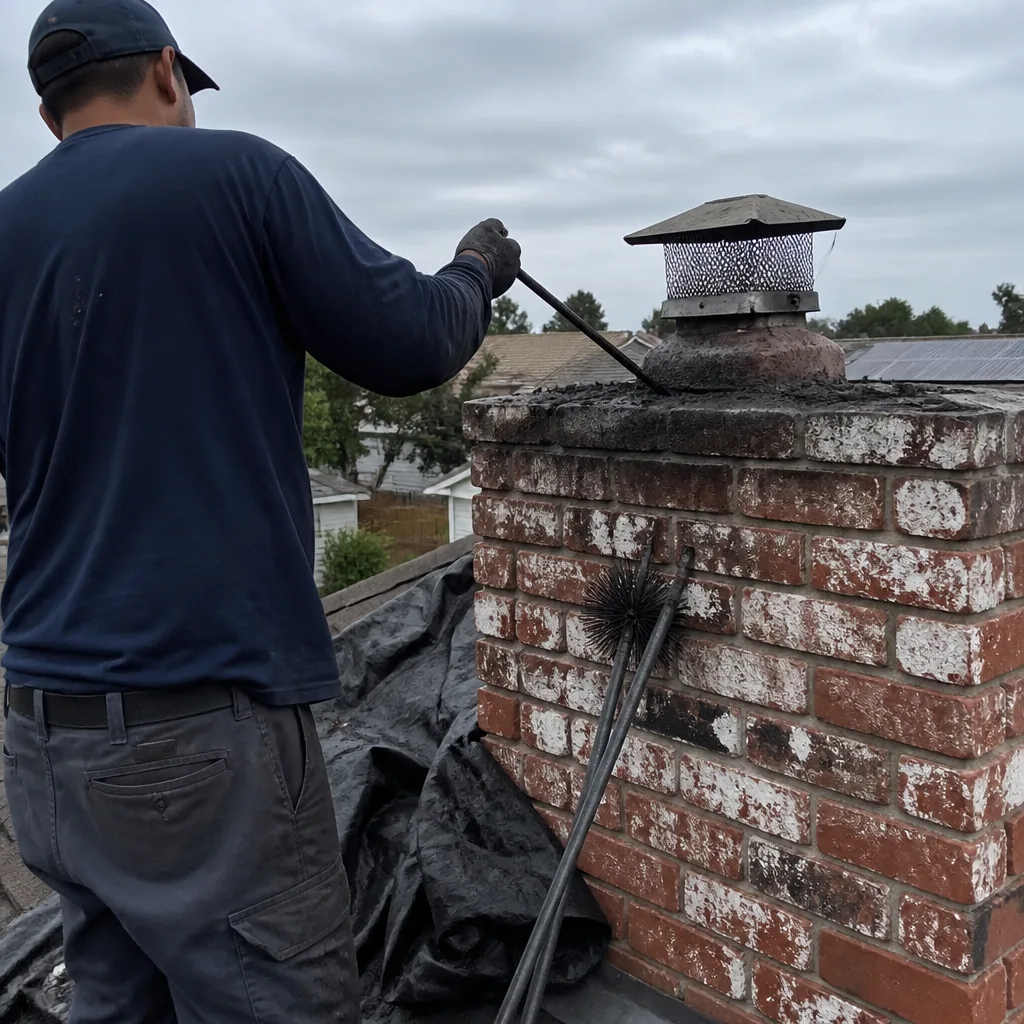
- Flue brushing. Sized wire or poly brushes sweep the entire flue length from the top down, or bottom up with a whip system, depending on the flue type and roof access.
- Flue inspection. After brushing, the flue gets examined with a camera or strong light for cracks, spalling, missing mortar joints, or glazed creosote that brushing alone won’t move.
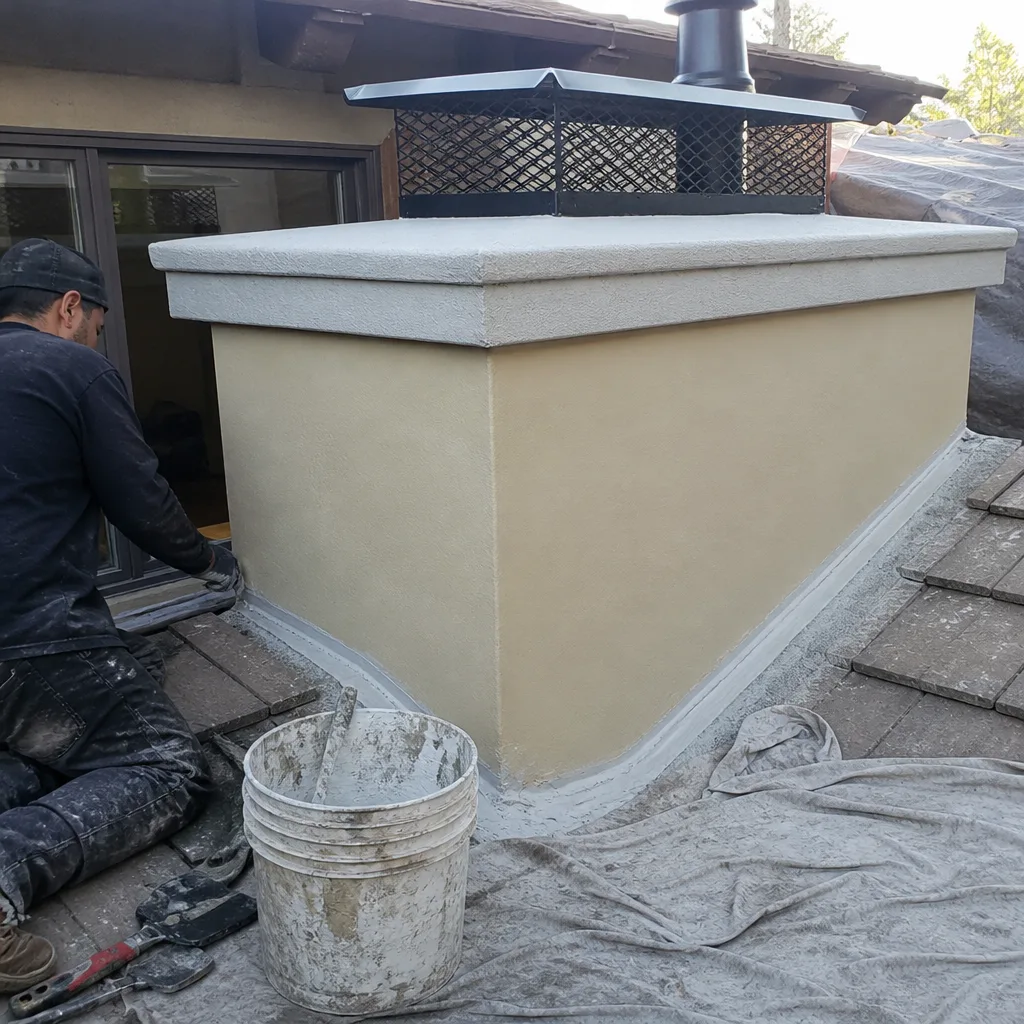
- Cap and crown check. The chimney cap, spark arrestor, and crown get inspected for rust, missing screens, and water intrusion signs.
- Report and recommendations. You should walk away knowing what was cleaned, what was found, and whether anything needs follow-up, with the findings documented.
The key distinction: a brushing-only visit cleans the flue walls. A full system inspection and cleaning addresses everything between the firebox floor and the rain cap. Given that Irvine homes skew toward single-family detached houses built between the 1970s and early 2000s, the fireplaces are typically masonry with clay tile liners or prefab metal units, and both have known failure patterns that only show up when the entire system gets examined.
Why Irvine’s Climate Changes How Creosote Forms
Most chimney guides are written for cold, humid climates where homeowners burn daily for five months straight. Irvine’s reality is different. We see fireplaces used for ambiance on cool winter evenings, maybe six to fifteen fires per season, and then the fireplace sits idle from March through November.
This pattern creates a specific creosote profile. Here’s the mechanics:
Creosote forms as three stages. Stage one is flaky soot that brushes off easily. Stage two is a tar-like glaze that requires more aggressive mechanical cleaning. Stage three is a hardened, shiny glaze that resists brushing and often requires chemical treatment or removal with specialized rotary tools. In high-use fireplaces, the constant heat cycles push creosote through its stages and burn some of it off. In low-use fireplaces, each fire deposits a thin layer, the chimney cools slowly, and the next fire a month later adds another layer without ever getting hot enough to fully burn off the previous deposit. The result is layer after layer of glazed creosote building up faster than in a chimney that sees daily burns.
Then there’s the Santa Ana wind factor. Dry, gusty conditions in Irvine from September through January pull harder on chimney drafts. That irregular draft pattern creates uneven burn temperatures, which means incomplete combustion, which means more creosote per fire. The dry air also dehydrates any existing creosote, concentrating it into a harder, more adhesive film.
What this means practically: an Irvine fireplace that saw eight fires last winter may have the same creosote loading as a Minnesota fireplace that burned weekly all season. The flue looks clean from the top because the glaze is thin and shiny, but it’s exactly the kind of creosote that supports a chimney fire.
When we clean Irvine flues with heavy glaze, the brush alone won’t do it. We use chemical creosote conditioners and, in severe cases, rotary loop systems that break up stage three glaze. This is one reason pricing varies: a light soot sweep and a glazed creosote removal are not the same job.
Level 1 vs Level 2 Inspections: Which One Your Irvine Home Needs
Chimney inspections follow NFPA 211 standards, which define three levels. Most Irvine homeowners only ever hear about Level 1 because that’s what a standard cleaning bundle includes. Knowing the difference changes what you ask for.
Level 1 inspection covers the readily accessible areas of the chimney: the visible portions of the firebox, damper, smoke chamber, and the accessible flue surfaces. It’s a visual check using a strong light and mirror, and it confirms the chimney is functioning under the same conditions as before. For a fireplace that’s been used the same way, with the same fuel, and nothing unusual has happened, Level 1 is enough.
Level 2 inspection adds camera scanning and covers areas not accessible with simple tools, including the flue interior surfaces that can’t be seen by eye, the crown, and the clearances in attics and crawlspaces. NFPA 211 requires Level 2 when there’s been a change in the system: new fuel type, new liner installation, property transfer, or an external event like an earthquake or chimney fire.
Which one does an Irvine home need? The honest answer: if you’ve owned the house for more than two years and never had a camera inspection, a Level 2 is worth the additional cost at least once, as our How to Hire a Chimney Cleaning Contractor in Irvine: A Step-by-Step Guide recommends. Irvine sits in a seismically active region. Even small quakes shift masonry, crack clay tile liners, and separate flue tiles at the mortar joints. A Level 1 inspection can miss damage in the upper third of the flue that a camera sees immediately. If you’ve sold or bought a home recently, the transaction may only meet the minimum requirement, not the protective standard.
After a light-use season with no reported issues, a Level 1 paired with a standard sweep is typically adequate. If you burn more than fifteen fires a season, or the fireplace has ever had water intrusion, or you’ve owned the home more than five years without a camera pass, ask for Level 2.
Debris Accumulation in Irvine Flues: Why It’s Not Just Creosote
Here’s the Southern California angle most chimney cleaning guides miss entirely. Irvine’s landscaping creates a debris problem that humid climates don’t have.
The city is planted heavily with eucalyptus, palm, sycamore, and jacaranda. Every Santa Ana wind event pushes leaves, fronds, seed pods, and dry twigs onto roofs and into open chimney caps. Palm fronds are particularly brutal: they drop in pieces large enough to wedge into a flue opening but light enough to get carried by a gust. Eucalyptus leaves are oblong and curl as they dry, so they pack tightly in a flue throat instead of lying flat.
We’ve pulled bird nests, squirrel nests, palm fronds, tennis balls, and once a full eucalyptus branch out of Irvine flues. In each case the homeowner hadn’t burned in months and noticed a smoky smell or visible debris in the firebox before calling.
This debris matters because it changes the fire risk equation. A blocked or partially blocked flue sends smoke and carbon monoxide back into the house. A nest or dried leaf pack sitting above a smoldering fire is kindling in the most dangerous place possible: inside a flue you can’t see and can’t reach quickly. Even without fire, organic debris traps moisture against the flue liner, accelerating deterioration in clay tile and mortar joints.
The practical takeaway: if you haven’t burned in a while and you’ve had heavy winds in Irvine, assume there’s debris in the flue. Don’t light a test fire to see. Have it inspected first.
How Much Does Chimney Cleaning Cost in Irvine?
Pricing in Irvine runs a little higher than the national average, driven by the local market and the number of homes with rooftop access challenges. Here’s a realistic breakdown:
- Standard sweep with Level 1 inspection: $179 to $249. Covers the full cleaning sequence, firebox, damper, smoke chamber, and flue brushing with a visual inspection. Most Irvine homes fall here.
- Standard sweep with Level 2 camera inspection: $299 to $425. Adds full camera scan of the flue interior, crown assessment, and attic or crawlspace clearance checks.
- Glazed creosote removal (stage two or three): $150 to $300 more than a standard sweep. Requires chemical conditioners or rotary loop systems. Common in low-use Irvine fireplaces.
- Debris removal or animal nest extraction: $100 to $250, depending on location within the flue and whether roof access is needed.
- Chimney cap replacement: $150 to $500, parts and labor. Our crews work with Olympia Chimney and Famco caps, which are warrantied components, not hardware-store generics.
- Dryer vent cleaning (paired with chimney work): $75 to $150. Often bundled when we’re already on the property.
Variables that shift pricing: single-story versus two-story roof access, roof pitch and safety requirements, flue height, the presence of a spark arrestor that needs removal and reinstallation, and how long since the last cleaning. If the previous service was a $99 special that skipped the smoke chamber, expect the first real cleaning to cost more because there’s more to remove.
We quote flat pricing before the work starts. No surprise add-ons after the fact. If we see something during the cleaning that needs attention, we document it with camera images and give you a separate quote. You decide what to do, with the evidence in front of you.
For a comprehensive guide to what chimney service should include in neighboring areas, visit the Limestone Chimney Sweep home page.
How to Verify Your Sweep Actually Cleaned the System
This is where most Irvine homeowners get shortchanged, and mostly they never know it. A visual pass from the top of the chimney looks the same as a full clean if you don’t know what to check for.
Here’s the step-by-step verification we recommend after any chimney cleaning in Irvine:
- Ask to see the brush reach the top. If you’re comfortable watching from outside, the brush head should emerge from the chimney top. That proves the full flue length was swept, not just the bottom few feet.
- Request before-and-after photos. A reputable sweep running a camera will have images of the flue interior before and after. They’ll show creosote deposits, debris, cracks, and the cleaned result. If they can’t produce images, ask why.
- Check the smoke chamber. Have them show you the smoke chamber after cleaning. It should be visibly swept, not just the firebox floor. If they won’t remove the damper or access it, the smoke chamber wasn’t cleaned.
- Look at the firebox walls. A real cleaning includes the firebox interior, not just vacuuming the ash. Soot staining should be lightened or removed.
- Confirm the cap was inspected. Ask specifically about the cap and spark arrestor. If they say they didn’t go on the roof, there’s a gap in the service.
- Get it in writing. A proper chimney cleaning report lists what was cleaned, what was found, and what needs follow-up. Verbal assurances are not documentation.
A trustworthy sweep will answer these questions without hesitation. If a technician gets defensive about before-and-after photos or the smoke chamber, that’s information too.
The Difference Between a Surface Clean and a Full System Inspection
There are two philosophies in chimney service, and they produce two very different outcomes. Understanding the distinction saves you from paying for half a job.
A surface clean, what the industry sometimes calls a brush-and-go, covers the visible flue path. The technician sweeps the chimney, vacuums the firebox, and calls it done. The flue looks clean from the top, the firebox looks clean from the living room, and the invoice says chimney swept. What didn’t get touched: the smoke chamber walls above the damper, the damper mechanism itself, the crown, the cap, the chase cover, and the exterior masonry. Any of those can be failing while the chimney looks fine.
A full system inspection works the chimney as one integrated system. The firebox, damper, smoke chamber, flue, crown, cap, and exterior get examined individually and in relation to each other. A cracked crown that lets water soak the top eight inches of the flue shows up. A rusted damper that sticks half open shows up. A deteriorating clay tile that’s about to drop a shard into the smoke shelf shows up.
The materials matter here too. When repairs are needed, the difference between a company that carries professional-grade components and one that doesn’t becomes obvious. We stock and install named components from manufacturers like Olympia Chimney, Famco, and Copperfield. These are warrantied, spec-tested parts built for chimney systems, not generic sheet metal from a hardware aisle. A cap from Famco, for instance, is stainless or copper and sized to the flue, with a screen gauge designed to keep embers and animals out while allowing proper draft. The difference between that and a universal-fit cap is measurable in draft performance and longevity.
If your chimney has a clay tile liner showing cracks or spalling, for example, we can rehabilitate it with HeatShield, a ceramic sealant system applied inside the existing flue. That’s a non-demolition repair that restores the liner without tearing out masonry. Companies without HeatShield certification can only recommend full relining with a stainless system from a brand like DuraFlex. Full relining is sometimes necessary. But it’s not the only option, and you should know when a less invasive repair will serve.
For homeowners in nearby Villa Park dealing with similar issues, see our dedicated guide on Chimney Sweep in Villa Park.
Common Mistakes to Avoid
- Falling for the $99 sweep. That price covers a brush run and nothing else. The smoke chamber, damper, and cap don’t get touched. You’ll pay more later for what got missed.
- Skipping inspection because you burn infrequently. As we covered, low-use Irvine fireplaces are exactly the ones that accumulate glazed creosote. Usage frequency is not a safety proxy.
- Ignoring the dryer vent. If a chimney company offers dryer vent cleaning but you skip it, you’re leaving the leading cause of appliance fires in your home unaddressed. Our team treats both as the same category of work: venting that moves heat and smoke out of the house safely. Learn more about our Dryer Vent Cleaning in Villa Park service.
- Living with a smoky fireplace. Smoke rolling into the room is not normal. It indicates a draft problem, a blockage, or a firebox-to-flue ratio issue. All are diagnosable.
- Replacing a damper because it’s rusty and finding the same problem later. A damper that rusts out usually has water coming in from above. Fix the cap and crown first, then the damper.
- Patching cracked mortar without addressing the flue. Exterior masonry repair that ignores the flue interior is cosmetic. The flue is where fire and smoke actually travel.
- Not verifying the work. If you don’t ask for before-and-after photos and a written report, you’re trusting the invoice. That’s not the same as verification.
When to Call a Professional
Chimney cleaning is not a DIY job. The tools are specialized, the risks are real, and the consequences of getting it wrong show up in fire and carbon monoxide statistics. Call a professional if you notice any of these in your Irvine home: smoke entering the room during fires, a strong creosote odor even when the fireplace isn’t burning, visible black glaze on the firebox walls, water stains on the ceiling near the chimney, rusted or stuck damper, animal sounds in the flue, or debris falling into the firebox after wind. If it’s been more than two years since the last inspection, schedule one. Chimney Repair in Villa Park requires the same early intervention; small cracks turn into major masonry work when left alone.
Limestone Chimney Sweep offers free estimates in Irvine. Call (855) 341-5439 to schedule an inspection and cleaning.
Frequently Asked Questions
A standard chimney sweep with Level 1 inspection in Irvine runs $179 to $249, while adding a Level 2 camera inspection brings the total to $299 to $425. Glazed creosote removal, debris extraction, and older flues that haven’t been cleaned in years push the price higher. Every quote should be flat and written before work starts. Call (855) 341-5439 for an exact quote based on your fireplace type.
Clean at least once per year, even if you burn fewer than ten fires. Low-use fireplaces in Irvine’s dry climate accumulate glazed creosote that’s harder to remove than the flaky soot from frequent burning, and annual inspection catches debris and animal intrusions before they become blockages.
Most Irvine homes don’t need a Level 2 every year, but every home should have one at least once, especially if it’s been over five years or there’s been seismic activity. Level 2 adds camera scanning of the flue interior and catches cracked clay tile liners that Level 1 visual checks miss.
Creosote builds up inside the flue until a stray spark from a fire ignites it, producing a chimney fire that can reach 2,000 degrees and crack the flue liner. The fire can then spread to the home’s structure. Debris blockages can also send carbon monoxide back into the living space. Annual cleaning is the preventive measure.
Yes, and it should happen before the burn season starts, not after. Irvine’s Santa Ana wind season runs September through January. Schedule cleaning in late summer or early fall before you light the first fire.
Chimney sweeping addresses the fireplace flue and combustion system. Dryer vent cleaning addresses the duct that carries lint and moisture from your clothes dryer to the outside. Both are ventilation systems that move heat and particulates, and both are fire hazards when neglected. Limestone Chimney Sweep handles both, along with chimney repair, so you don’t need to coordinate multiple contractors.
The Bottom Line
Chimney cleaning in Irvine is a safety service, not a seasonal chore. The city’s dry climate, Santa Ana winds, and landscape debris create a risk profile that generic chimney advice doesn’t address. A proper cleaning covers the entire system from firebox to cap, includes verification with camera evidence, and documents what was found. If you use your fireplace even occasionally, schedule an inspection annually. If it’s been over two years, don’t wait—explore more guides & resources to stay on top of chimney maintenance. The cost of a sweep is a fraction of what a chimney fire or liner replacement runs, and the peace of mind comes from knowing the system was actually cleaned, not just billed as cleaned.
For a full chimney system cleaning in Irvine, call Limestone Chimney Sweep at (855) 341-5439 for a free estimate. We carry the materials to fix what we find, and nothing gets recommended without camera evidence you see yourself.
Written by the team at Limestone Chimney Sweep, serving Irvine since 2014.
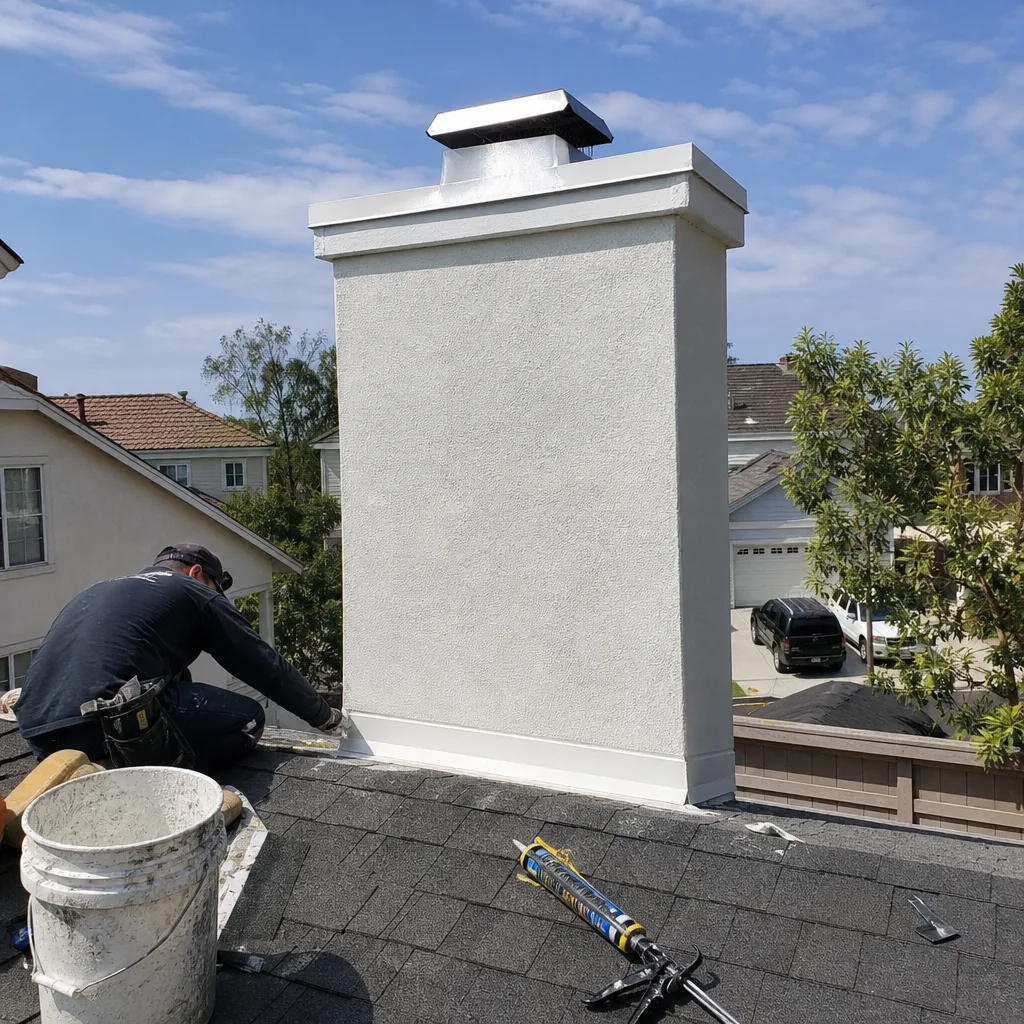
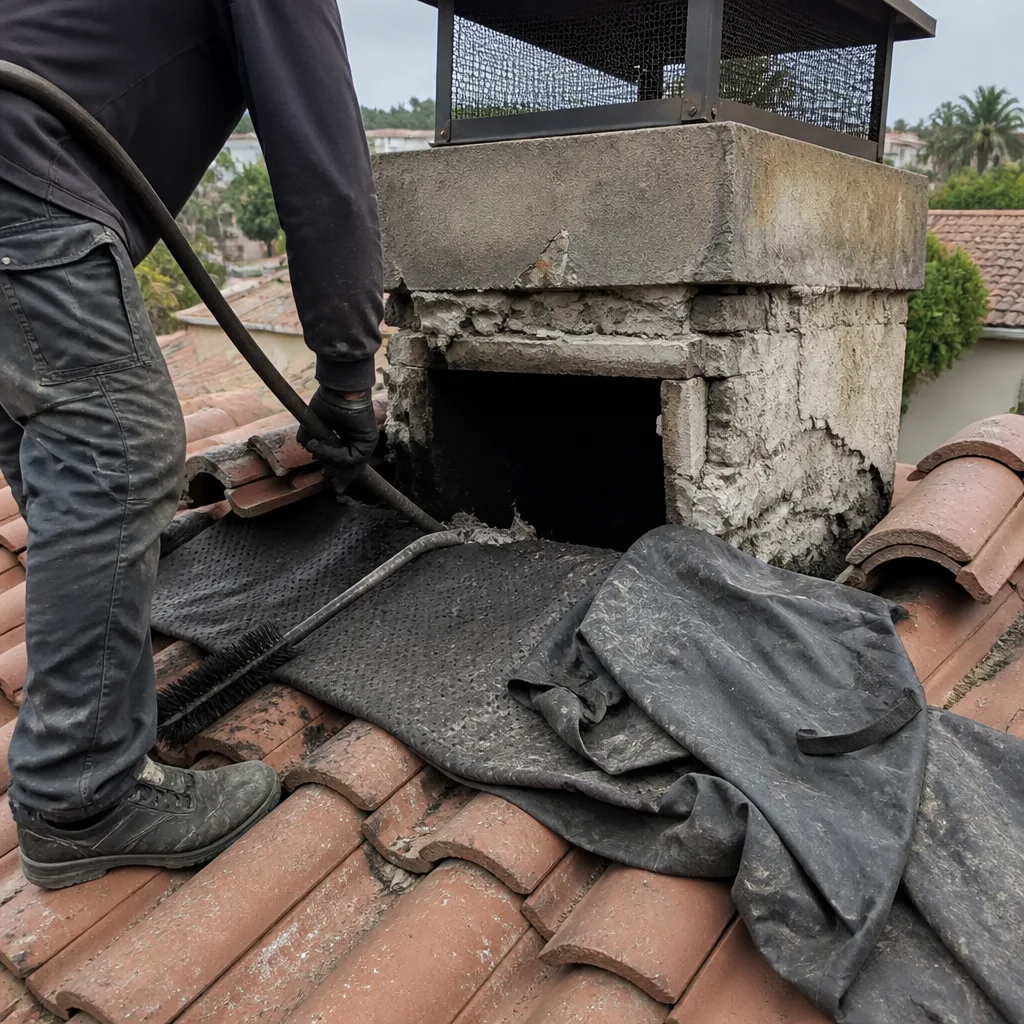
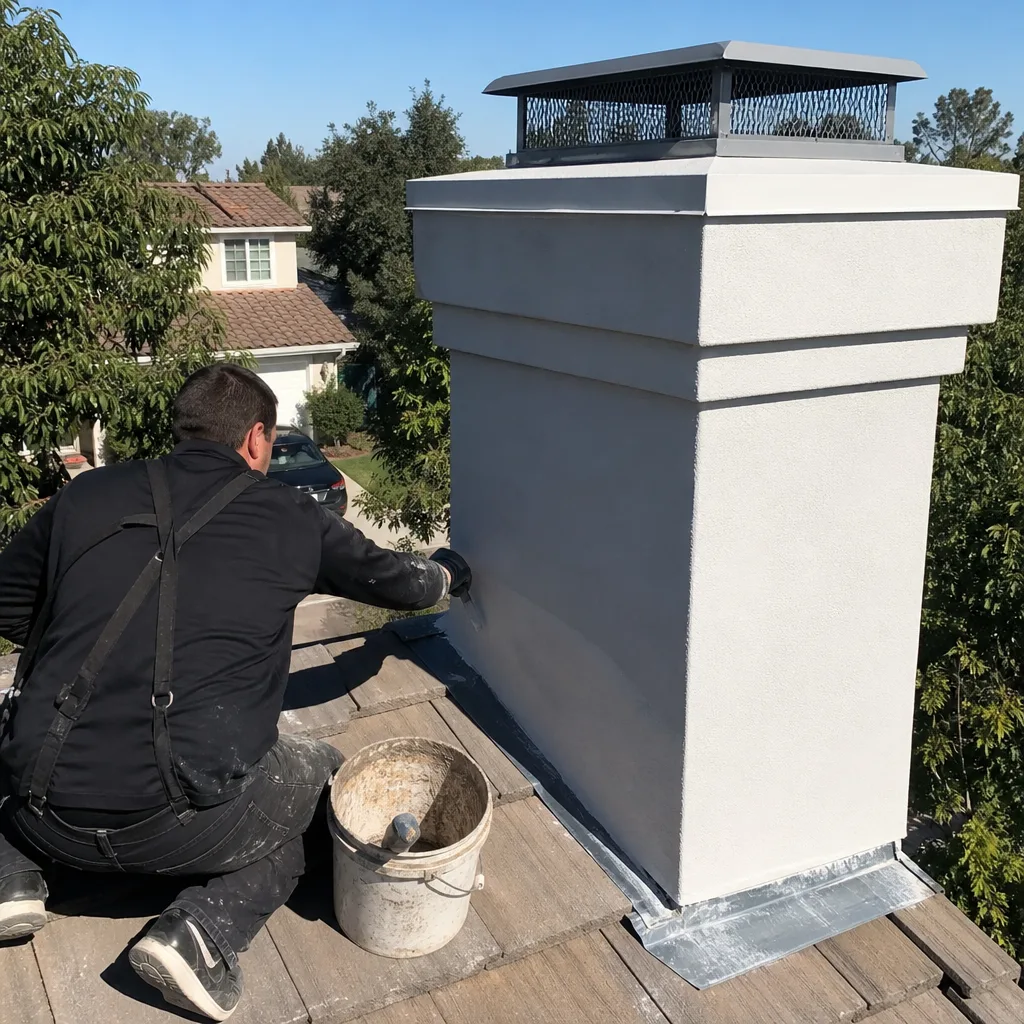
See the difference
 Before
 After
 Before
 After
 Before
 After