
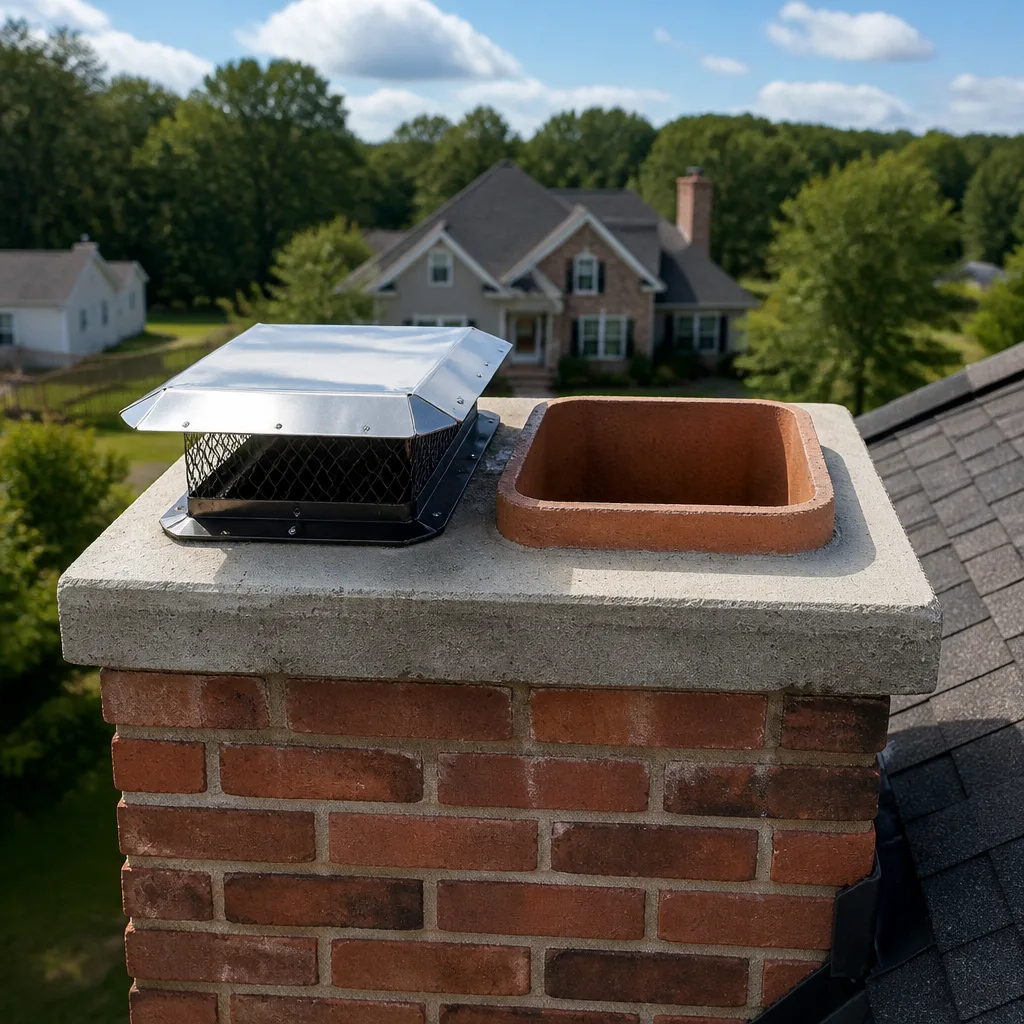
 Sweep & inspection
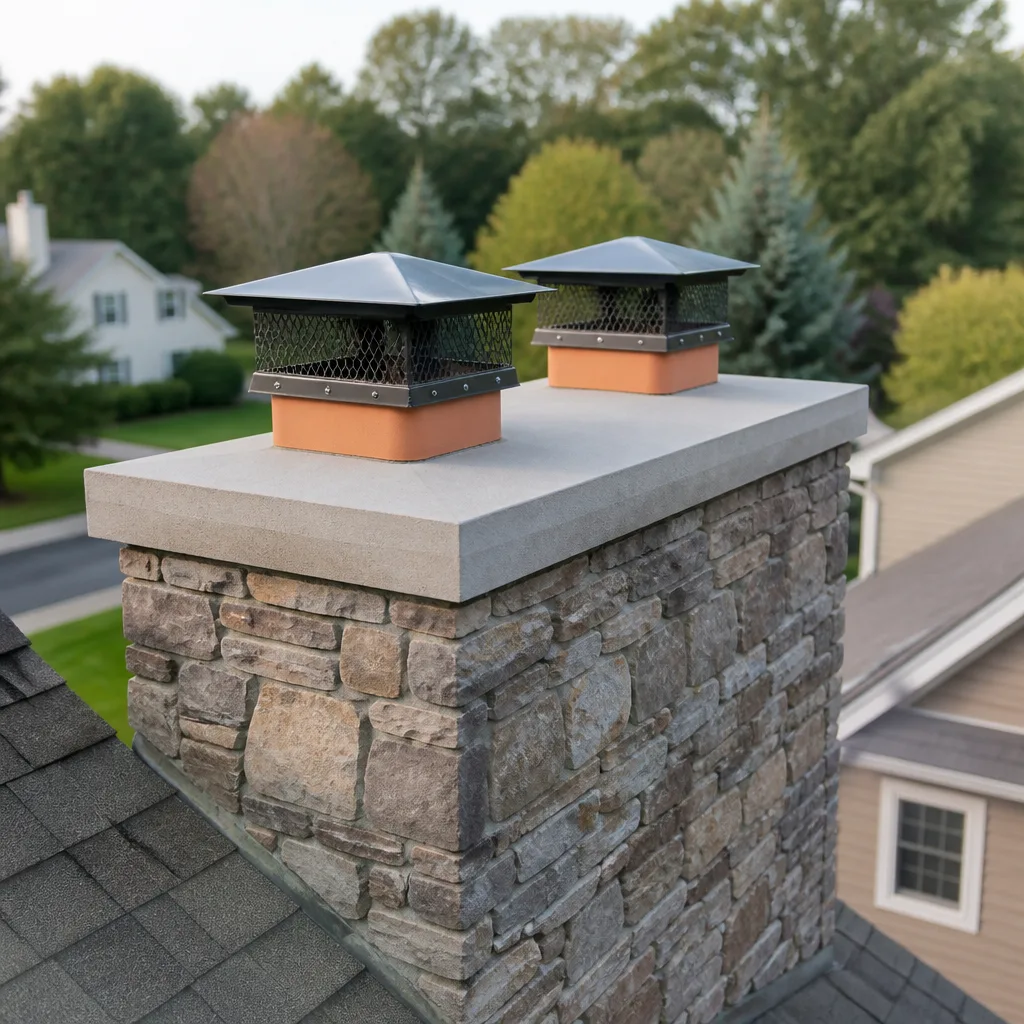 Caps & crowns
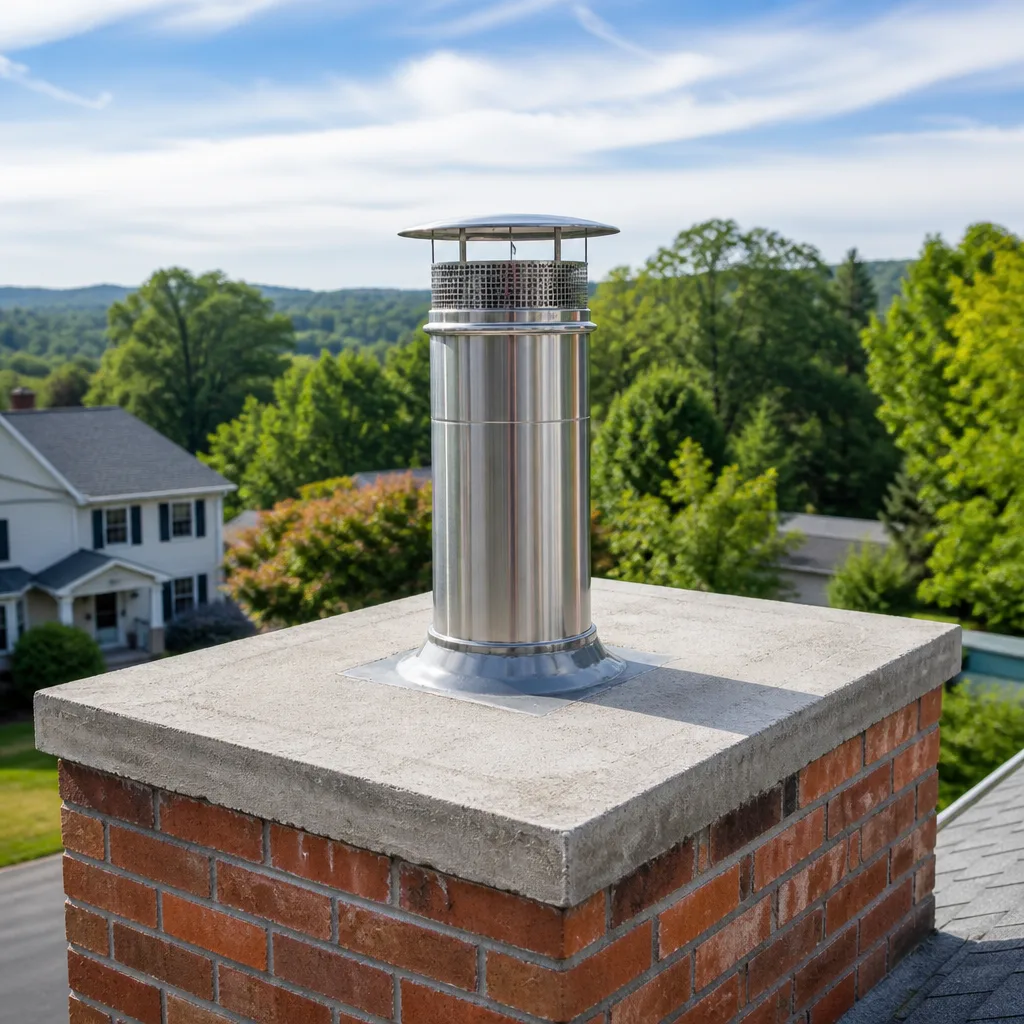 Flue relining
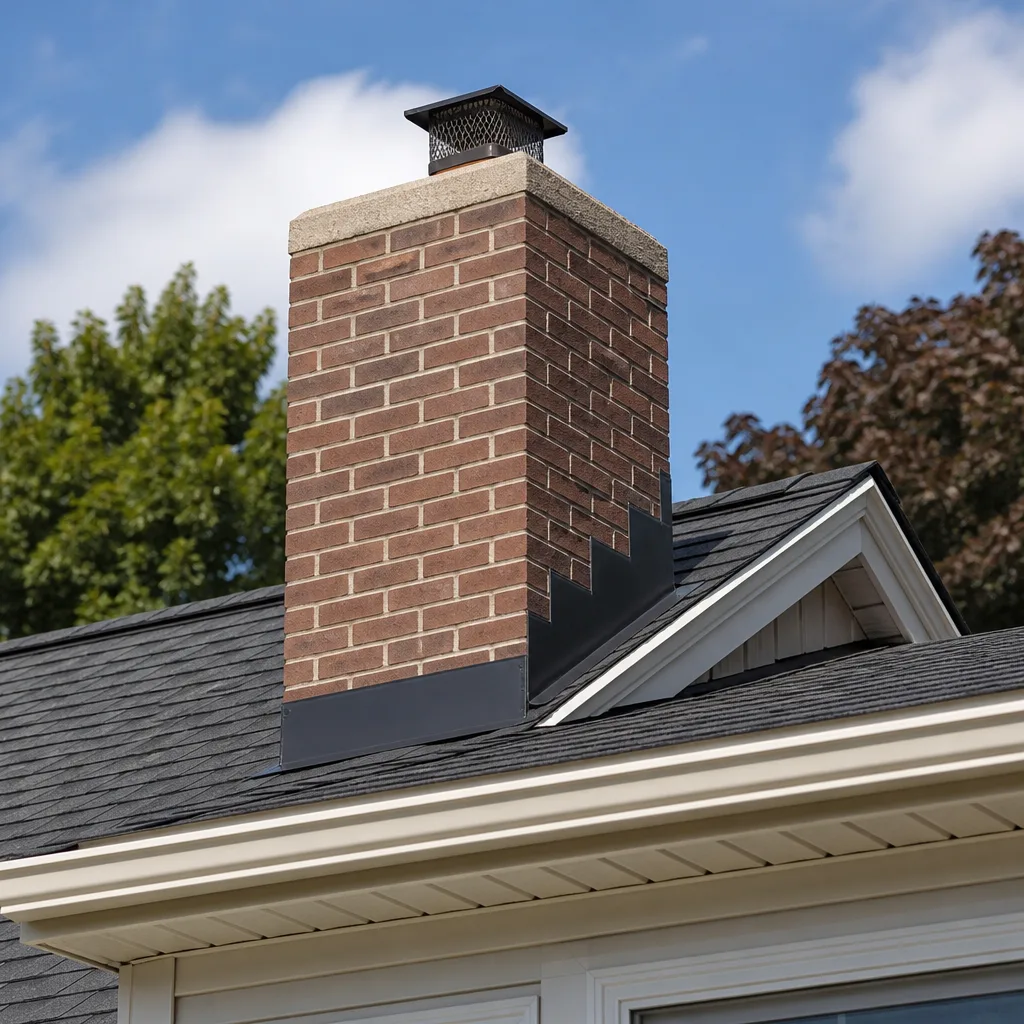 Masonry repair
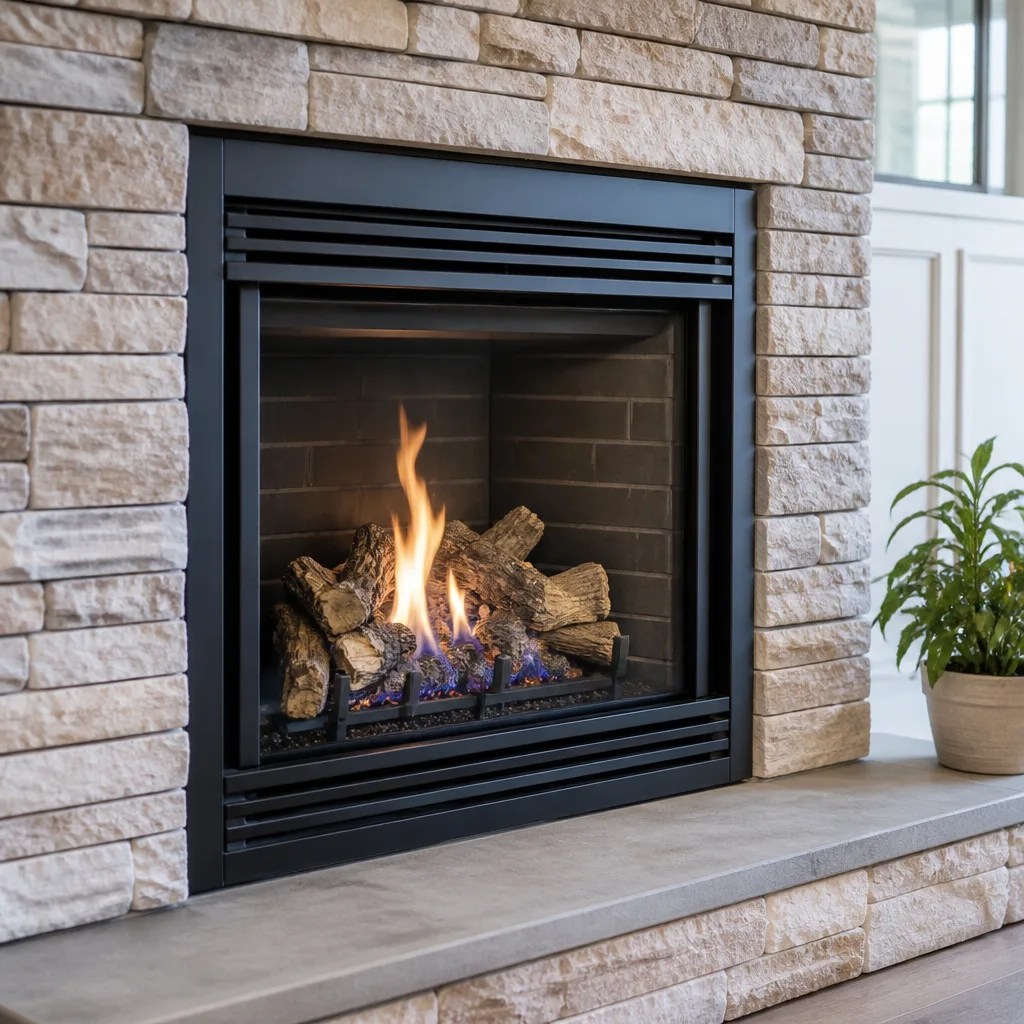 Gas fireplace service
Level 1 sweep and inspection to the NFPA 211 annual standard - flue, crown, cap, and flashing checked and photographed
Chimney sweep logs do not sweep chimneys. They loosen some creosote - which then falls where a brush and vacuum still have to collect it.
Why Villa Park Homeowners Choose HeatShield Chimney Cleaning
We provide independent HeatShield chimney cleaning, repair, and restoration in Villa Park for homeowners whose flues and fireboxes need more than a standard sweep. HeatShield’s Cerfractory system is a legitimate alternative to full chimney tear-out, and our crews have applied it across Villa Park’s older estate homes enough times to know exactly where it holds up and where it doesn’t. That’s the difference: we’re not reading from a manufacturer brochure. We’ve watched this product perform in real chimneys in this specific climate, with its Santa Ana winds, mature trees, and 1960s-era masonry. As an independent HeatShield service provider, we’re not affiliated with or authorized by the manufacturer. We use their materials because we’ve seen them work. Call (855) 341-5439 if you want a straight assessment of whether your chimney is a HeatShield candidate or a cleaning is all it needs.
Why Trust Limestone Chimney Sweep for Your HeatShield Chimney Cleaning?
Warren Tilsley, our owner, came up through the HVAC and sheet metal programs at Irvine Valley College before spending years working alongside experienced sweeps across Orange County. That background matters when you’re evaluating a flue restoration product. HeatShield isn’t a brush-and-go service; it requires understanding how heat cycles, moisture, and draft interact inside a masonry chimney. You can’t fake that with a weekend certification.
We’ve performed hundreds of HeatShield restorations in Villa Park and the surrounding area. We know the Cerfractory Flue Sealant, the Fireplace Restoration System, and the Crown Repair products the way a mechanic knows a particular engine family. We understand what proper surface preparation looks like, how the material behaves on older clay tile liners, and what happens when someone skips the prep work to save time. That hand-on experience is the difference between a repair that lasts fifteen years and one that debonds in three. We also stock genuine HeatShield materials locally, which means we can move from diagnosis to application faster than a shop that has to order everything in. When you call Limestone Chimney Sweep, you’re getting a crew that has actually used this product in Villa Park homes, weather conditions, and chimney configurations. Not a crew that just added the brand to their website.
Styles & brands we work with
Common HeatShield Chimney Cleaning Problems We Fix in Villa Park
These are the issues we see most often when a Villa Park homeowner calls us about a HeatShield-treated chimney that isn’t performing or needs assessment before restoration:
- Debonding of the HeatShield lining from flue tile. This happens when the original surface wasn’t properly prepped, especially in older chimneys with heavy glaze creosote baked onto the tile. The HeatShield material needs a clean, roughened surface to adhere to. Glaze creosote acts like glass. We see this most in Villa Park homes from the 1960s and 1970s that burned wood for decades before anyone considered relining. A debonded section can flake and narrow the flue, which affects draft and creates a place for more creosote to accumulate.
- Cracking and spalling around the firebox opening. Thermal cycling is brutal on firebox materials, especially in homes where the fireplace serves as a primary heat source on winter evenings. HeatShield’s firebox material is durable, but when it’s applied over inadequately cured or improperly mixed substrate, the expansion and contraction of repeated fires will eventually crack it. We restored a heavily spalled firebox in a 1960s ranch-style Villa Park home not long ago. The original firebrick was crumbling and the smoke chamber was coated in glaze creosote. After grinding and prepping the surface, our crew applied the HeatShield liner and sealed the crown to stop the water that had started the whole problem. That fireplace is safe to burn in again.
- Water infiltration behind the HeatShield crown coating. A crown coating delaminates when water gets underneath it. In Villa Park, that usually traces back to an unsealed crown or a missing cap. Mature trees drop debris that traps moisture. Santa Ana winds blow rain sideways into the chimney. If the underlying crown wasn’t sealed before the HeatShield product went on, that water sits there and pushes the coating off from beneath. The fix isn’t just recoating. You have to stop the water at the source first.
- Improperly sized or applied flue sealant restricting draft. Some HeatShield applications go wrong because the installer didn’t account for the flue’s true dimensions, particularly in offset flues where the liner bends. If the sealant is applied too thick, it narrows the passage. That restricts draft, leading to smoke rollback or, in gas appliances, carbon monoxide risk. We measure carefully before we apply anything. A HeatShield restoration should improve draft, not choke it.
- Delamination in smoke chambers from previous patchwork repairs. Smoke chambers are the step between the firebox and the flue. In many older Villa Park chimneys, they were built with corbeled brick that catches creosote and is nearly impossible to sweep thoroughly. If someone slapped a thin layer of repair material over a chamber without addressing the underlying brick, that layer will eventually separate from the surface. HeatShield’s Fireplace Restoration System works well here, but only when the chamber is properly parged and the surface is sound enough to bond.
HeatShield Parts & Our Repair-vs-Replace Approach
We use genuine HeatShield materials for every restoration. No generic substitutes. The Cerfractory Flue Sealant, Fireplace Restoration System, and Crown Repair products are engineered to work as a system, and swapping in another manufacturer’s product because it’s cheaper compromises the bond, the thermal performance, and the warranty. In Villa Park’s temperature swings where 40-degree winter nights follow 95-degree summer afternoons, that bond is the whole game. We stock HeatShield materials locally for faster turnaround, which matters during fall when everyone realizes burning season is three weeks away.
But here’s where we’re honest with you: HeatShield is not always the right answer. If your flue tiles have severely deteriorated, if there’s structural cracking in the masonry itself, or if the firebox has failed beyond a certain point, forcing a HeatShield patch would be irresponsible. At that point, you’re looking at a rebuild or a full reline with a system like DuraFlex. We’ll tell you that straight. We’d rather lose the restoration job than leave you with a chimney that fails in five years. Call (855) 341-5439 and we’ll give you an honest assessment based on what we see in the camera inspection, not what we want to sell you.
Our HeatShield Service Process – Step by Step
- 1
Camera inspection and diagnosis. We run a camera up the flue and document everything. You see the same footage we do. If the flue needs HeatShield restoration, you’ll understand exactly why from the video and the report. No mystery recommendations.
- 2
Surface preparation. This is the step that separates a lasting HeatShield application from a debonded one. We grind, clean, and profile the flue surface until the HeatShield material has something solid to grab onto. Glaze creosote comes off. Loose material comes out. If moisture is present, we address it before anything goes on.
- 3
HeatShield application. We apply the Cerfractory Flue Sealant or Fireplace Restoration System according to the manufacturer’s specifications, using genuine HeatShield materials. For crown repair, we seal the crown first, then apply the HeatShield Crown Repair and Waterproofing Products. The order matters.
- 4
Cure check and draft testing. After the material cures, we verify draft and check for any restriction. The chimney should pull smoke and gases the way it was designed to. If it doesn’t, we find out why before we call the job done.
- 5
Documentation and warranty. You get a report of what we did and what we found. HeatShield’s manufacturer warranty applies to the materials, and our workmanship stands behind the installation. We walk through what to watch for in the first few months after application.
See the difference
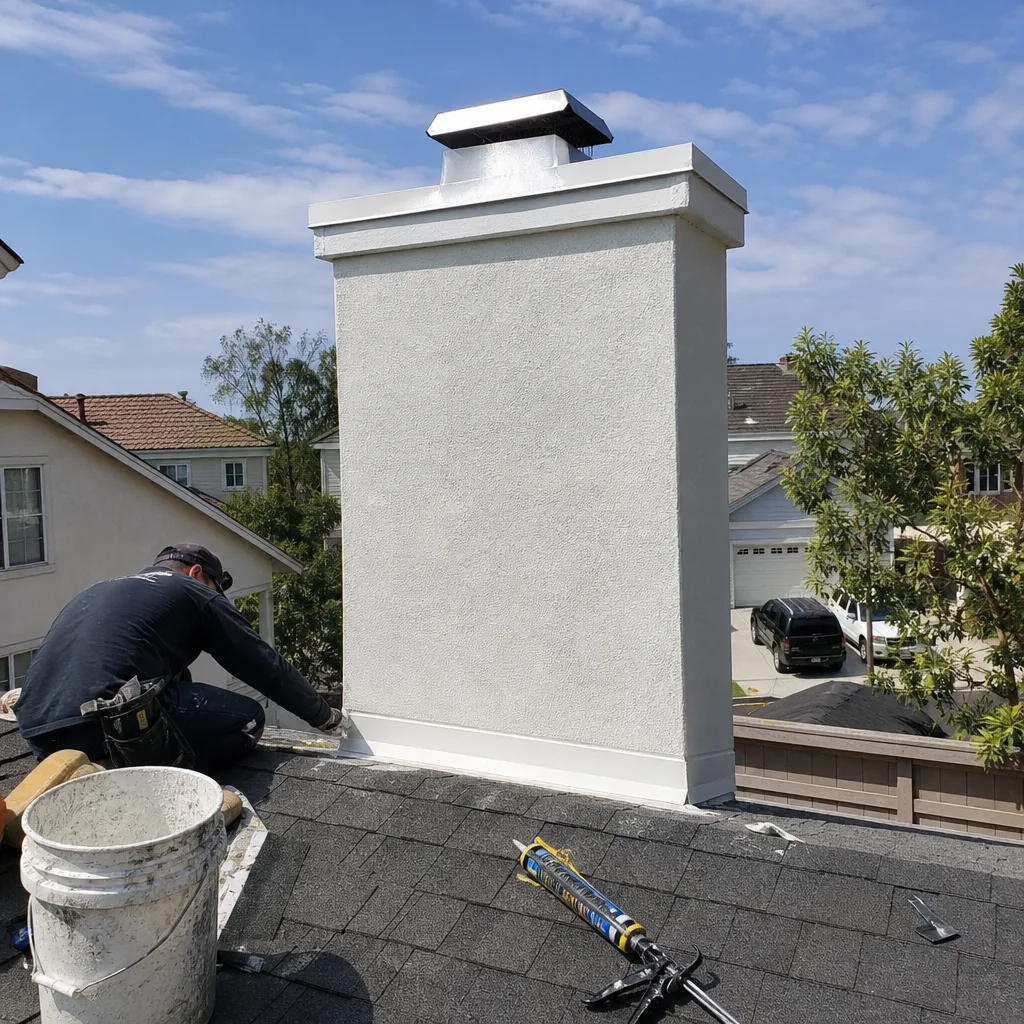
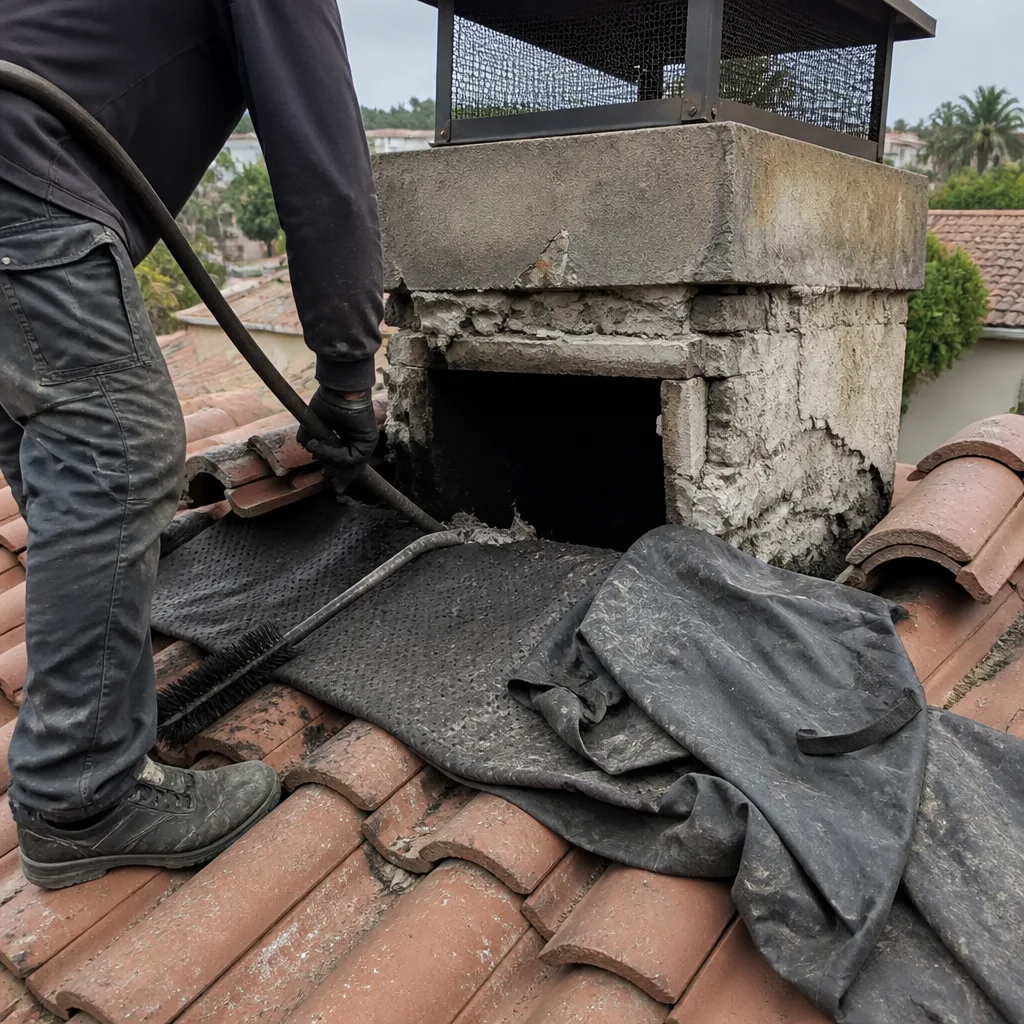
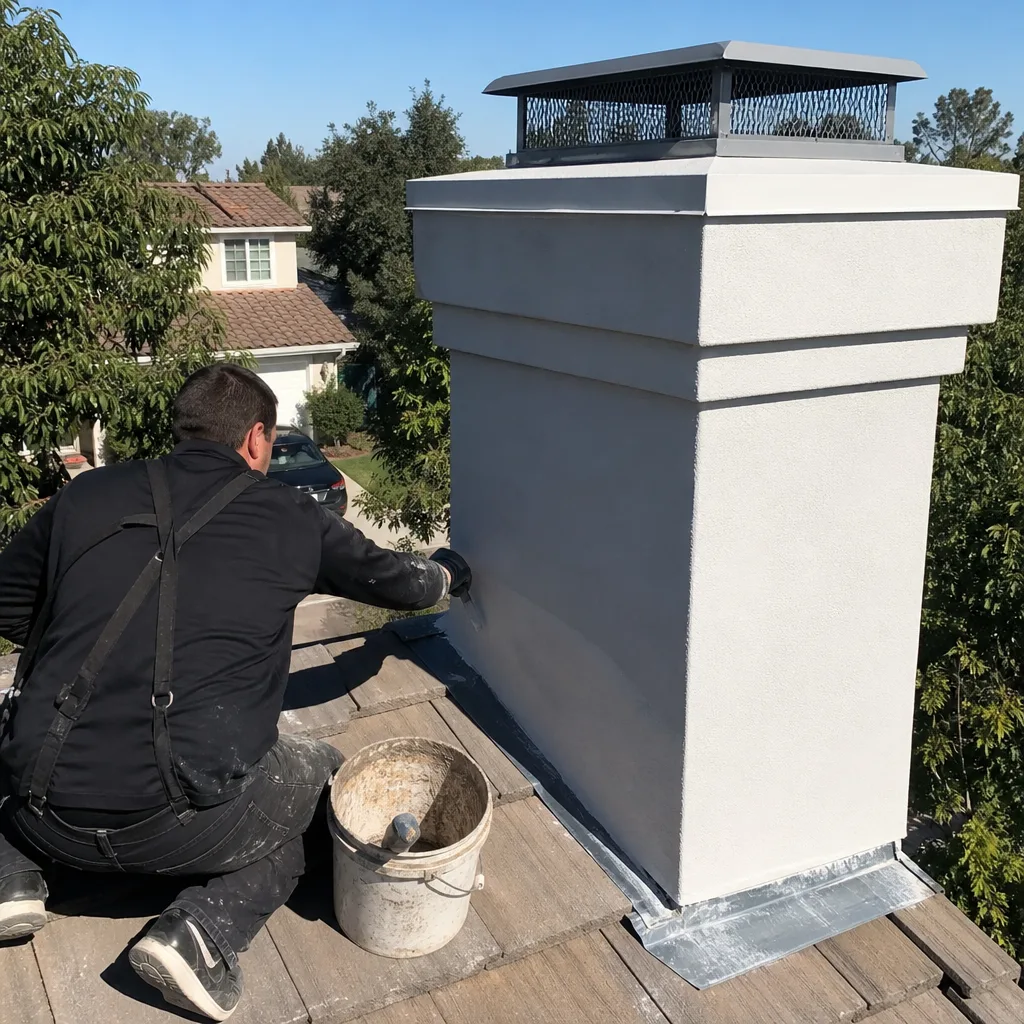
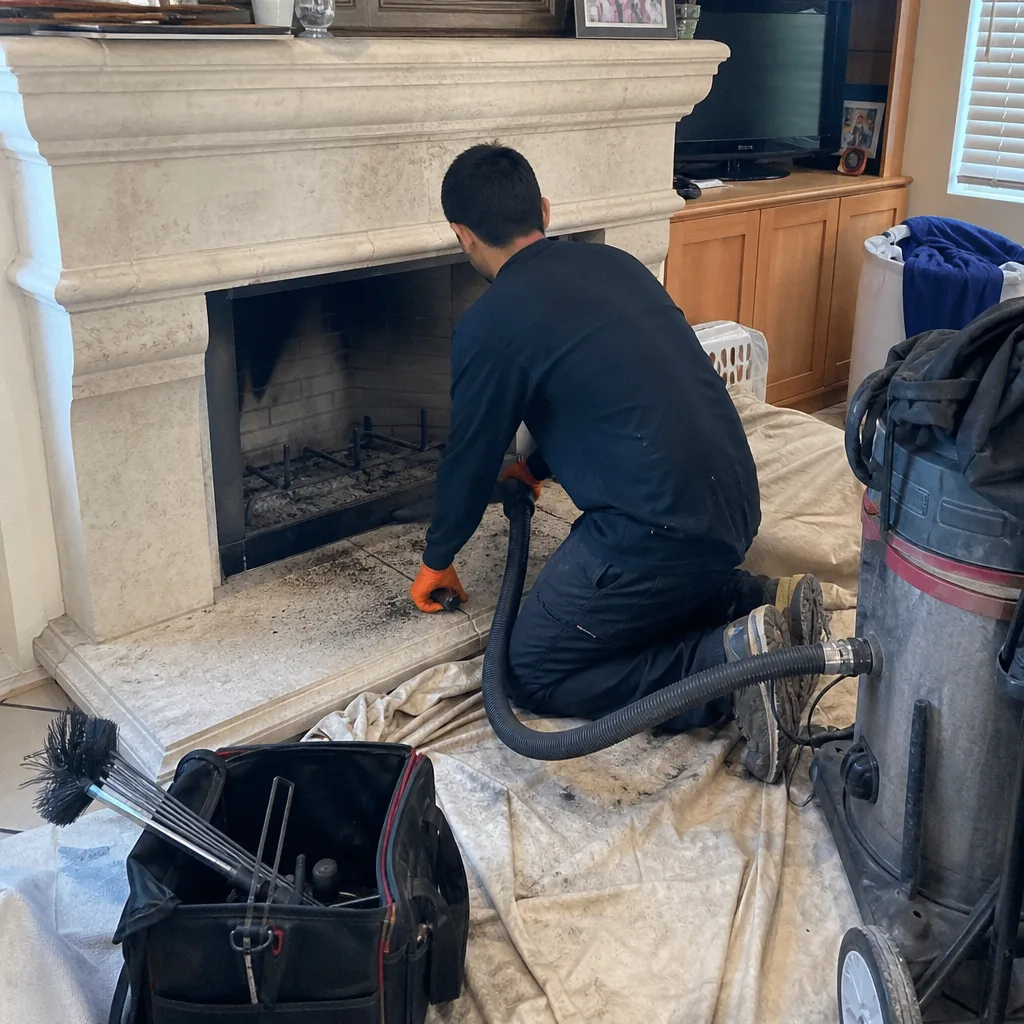 Before
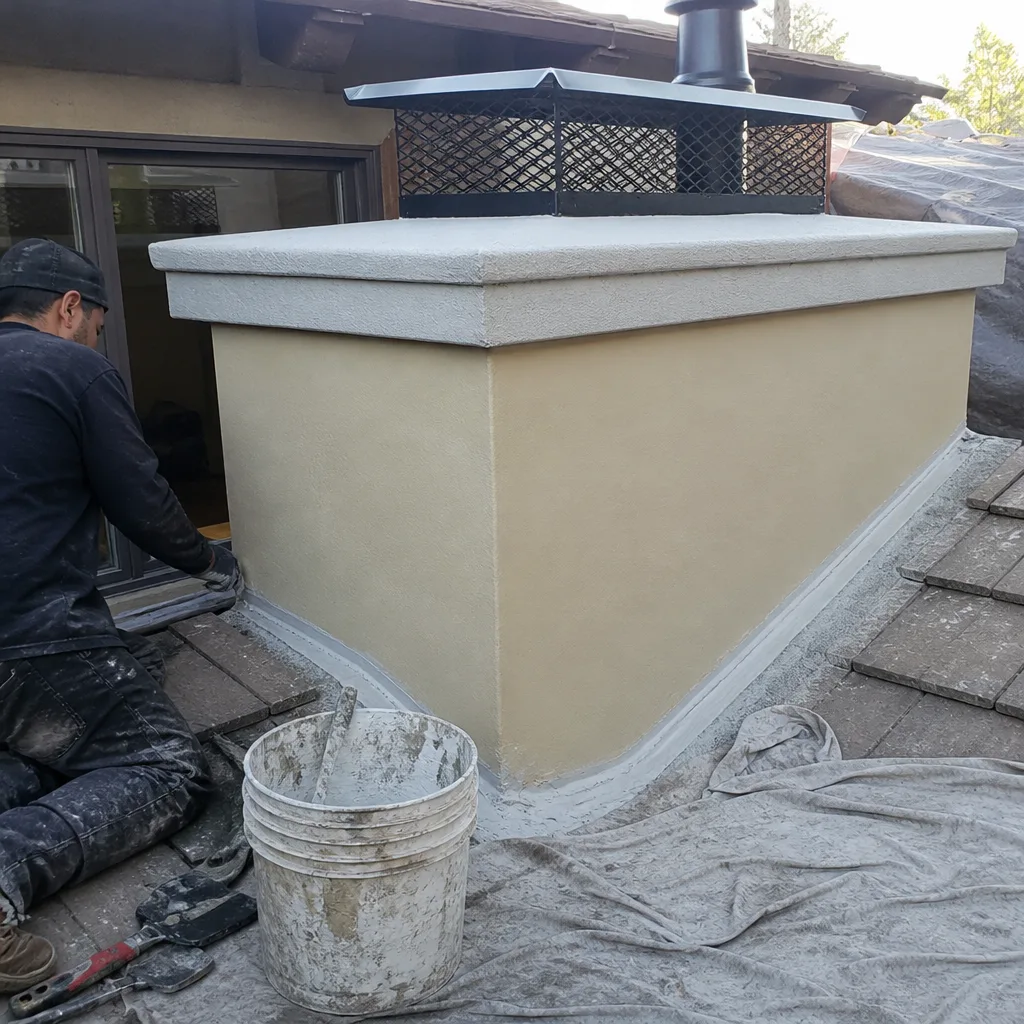 After
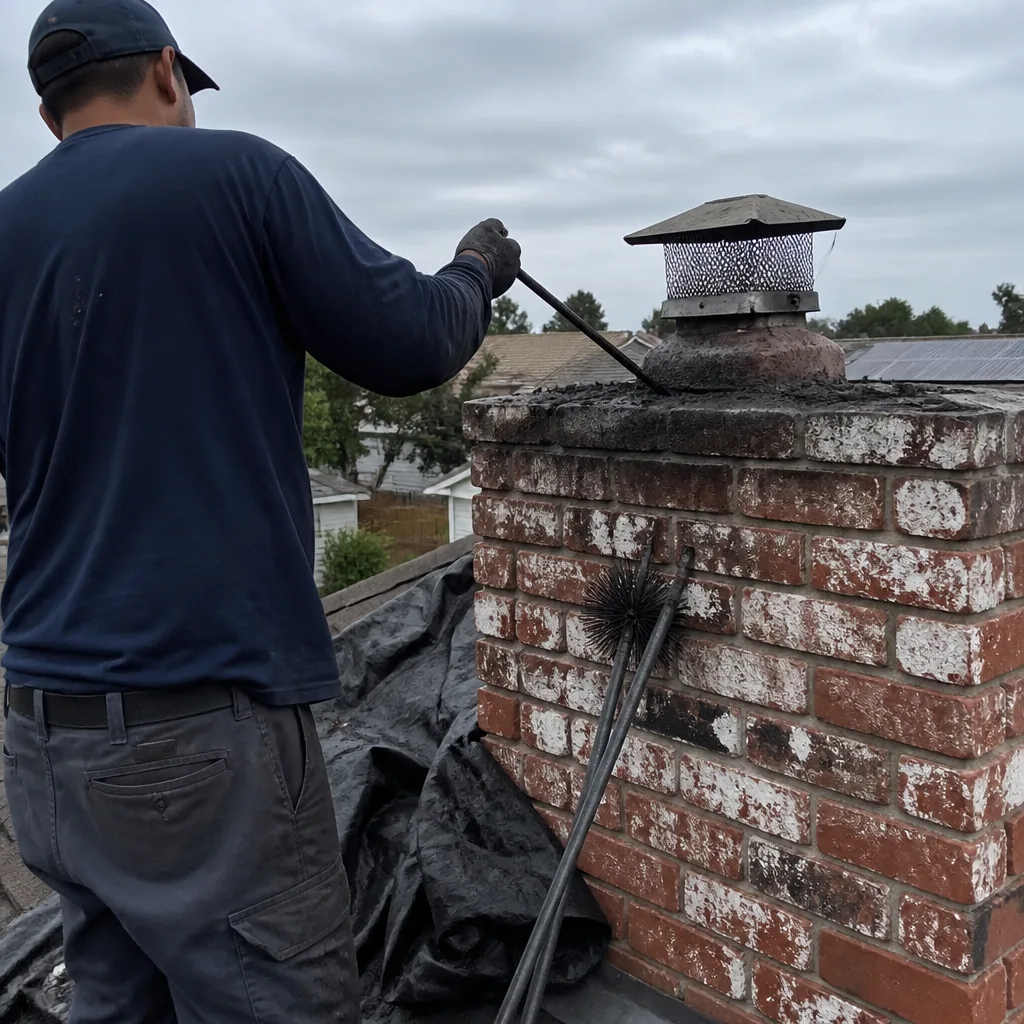 Before
 After
 Before
 After
HeatShield Products We Service & Install in Villa Park
Our crew works with the full HeatShield product line. The Cerfractory Flue Sealant handles flue resurfacing, restoring damaged clay tile liners without tearing out the chimney. The Fireplace Restoration System covers firebox and smoke chamber repair, rebuilding damaged surfaces with a material that bonds to the existing masonry. The Crown Repair and Waterproofing Products address the top of the chimney, where water intrusion causes most premature failures. We stock these materials locally for faster turnaround, and we’ve applied them in homes throughout Villa Park, from single-flue ranch fireplaces to multi-chimney estates. If you’re not sure which product your chimney needs, the camera inspection answers that question quickly.
We Also Service These Brands
HeatShield is one tool in the kit, not the only one. We also work with DuraFlex for flexible and rigid stainless steel relining systems, and Gelco for chase covers and chimney caps. That multi-brand experience matters when your chimney needs something HeatShield isn’t designed to solve. We’re not married to one product line. We’re married to the right fix.
FAQs – HeatShield Chimney Cleaning Service in Villa Park
How does HeatShield compare to a traditional clay tile flue liner?
HeatShield’s Cerfractory material bonds to your existing flue surface and creates a smooth, insulated, monolithic liner inside the existing clay tile, where traditional clay liners are installed as separate sections and are susceptible to cracking, gaps, and mortar deterioration over time. HeatShield is a restoration product, not a new liner, so it’s best for flues with moderate damage rather than severe structural failure. In Villa Park’s older estate chimneys, we’ve seen HeatShield restore flues that would have otherwise required full demolition.
Can HeatShield be applied over a chimney that has already been relined?
It depends on the condition and material of the existing liner. HeatShield’s Cerfractory Flue Sealant is designed for masonry surfaces, so applying it over a stainless steel liner typically isn’t recommended or approved. If the existing reline is clay tile or masonry, a camera inspection tells us whether the surface can be properly prepared. We’ve encountered this in Villa Park homes where someone relined decades ago and now the older material is failing. Call (855) 341-5439 and we’ll tell you what you’re working with.
Is HeatShield suitable for gas fireplaces in Villa Park homes?
HeatShield can be used in gas appliance flues in specific applications, particularly where corrosion or masonry deterioration has occurred, but the application requirements differ from wood-burning systems because gas flues operate at lower temperatures and produce different byproducts. The flue must be sized correctly and the system must be rated for the appliance. We evaluate gas flue suitability case by case during the inspection.
How long does a HeatShield restoration typically last?
A properly applied HeatShield restoration typically lasts 15 to 20 years or more, depending on the condition of the chimney’s underlying structure, moisture exposure, and how often the fireplace is used. The most common reason we see premature HeatShield failure in Villa Park is water infiltration, usually from a failed crown or missing cap that was never addressed at the time of restoration. If the water problem is solved first, the HeatShield material holds up well.
What signs indicate my chimney needs HeatShield repair rather than just cleaning?
Cracked or spalling firebrick, flue tile pieces in the firebox, visible gaps or deterioration in the flue during a camera inspection, water staining on the ceiling near the chimney, or smoke backing up into the room when you burn all point to structural issues that a sweep alone won’t fix. HeatShield repair addresses the surface damage; it doesn’t correct major structural problems. The camera inspection is the only way to know for sure what you’re dealing with.
How much does HeatShield chimney cleaning cost in Villa Park?
HeatShield restoration in Villa Park typically ranges from $3,500 to $8,000 depending on the extent of the damage, the number of flues, and whether firebox and crown repair are included. A standard chimney cleaning without restoration runs $200 to $350. The honest answer is that we can’t quote a restoration without seeing the chimney. Call (855) 341-5439 for a free estimate. The camera inspection tells us what you actually need, and you see the footage with us before any work is approved.
Book Your HeatShield Service in Villa Park, CA
If your chimney needs HeatShield restoration, firebox repair, crown sealing, or waterproofing in Villa Park, call Limestone Chimney Sweep at (855) 341-5439. We’ll schedule the inspection, show you what the camera sees, and give you a straight answer on whether HeatShield is the right fix. Free estimates. No pressure. A clean chimney isn’t a luxury – it’s just the part of your house you can’t see doing its job right.
Written by Warren Tilsley, Owner at Limestone Chimney Sweep, serving Villa Park and Orange County with chimney restoration and repair since 2009.